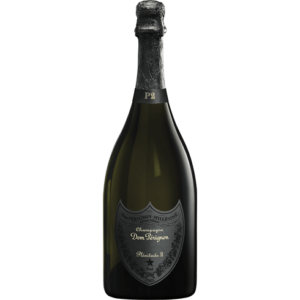
Dom Perignon Vintage 2012 Brut Champagne
Here is a detailed, in-depth article on Dom Pérignon Vintage 2012 Brut Champagne, covering its origins, production, tasting profile, critical reception, common questions people ask, and a conclusion.
Dom Pérignon Vintage 2012 Brut Champagne: A Deep Dive
1. Introduction
Dom Pérignon is one of the most iconic names in Champagne — a prestige, vintage-only cuvée produced by Moët & Chandon under the Dom Pérignon label. The 2012 vintage is especially notable: it reflects both the challenges and opportunities of a difficult growing season, resulting in a wine that combines energy, structure, and finesse.
Dom Pérignon 2012 is celebrated for its tension between power and elegance, its pure fruit expression, and an evolving complexity. It’s a bottle that invites patience — but also rewards early drinking. This article explores everything you might want to know: the vintage context, how it’s made, how it tastes, food pairings, what critics and consumers say, common questions, and overall verdict.
2. History & Heritage of Dom Pérignon
To understand the significance of the 2012 vintage, it’s helpful to recall what Dom Pérignon represents.
- Dom Pierre Pérignon, a Benedictine monk at the Abbey of Hautvillers, is often (mythically) credited with “inventing” Champagne. While that’s not strictly accurate, he contributed significantly to early blending techniques and pressing methods. (Wikipedia)
- Maison & Vintage Philosophy: Dom Pérignon is always a vintage Champagne — meaning it’s only made in years deemed exceptional by the cellar master. (Wikipedia)
- Maturation: Dom Pérignon vintages typically age in the cellar for many years before release — often more than 8 years. (Millesima)
- Prestige: As a “grand vin,” Dom Pérignon represents the highest level of craftsmanship, vineyard selection, and cellar aging from Moët & Chandon’s portfolio.
3. The 2012 Vintage: Context & Challenges
The 2012 harvest in Champagne was characterized by weather volatility and vine stress, but ultimately yielded grapes with strong potential — particularly for a wine like Dom Pérignon.
- According to Millésima, the 2012 season was “variable and difficult”: frost, heavy spring rains, hailstorms, and then a warm, dry summer. (Millesima)
- Because of these conditions, yields were relatively modest, which helped concentration in the remaining grapes. (Bulles: Buy/Sell Champagne Online)
- The harvest reportedly took place between 10 and 26 September, depending on the terroir. (Bulles: Buy/Sell Champagne Online)
- The result: a vintage with tension between freshness and richness, making it ideal for a structured, age-worthy Champagne. (Millesima)
4. Production & Winemaking
How Dom Pérignon 2012 is made sheds light on its character.
4.1 Grape Composition
- The 2012 Dom Pérignon is a blend of Pinot Noir and Chardonnay. (Millesima)
- According to Viniou, the composition is roughly 50% Chardonnay / 50% Pinot Noir. (Viniou)
- The grapes come from Grand Crus and Premier Crus, enhancing both quality and complexity. (PREMIUM GRANDS CRUS)
4.2 Vinification & Aging
- According to Plus de Bulles, the 2012 vintage underwent malolactic fermentation. (Bulles: Buy/Sell Champagne Online)
- Aging: Dom Pérignon 2012 spent a long time aging on its lees in the cellars, aligning with the house’s tradition of long maturation. (Fons Vinum)
- According to The Finest Bubble, the 2012 was disgorged in September 2020, meaning it had about 8 years on lees. (The Finest Bubble)
- According to Vintage Grapes, serving recommendation is 8–10 °C. (Vintage Grapes GmbH)
5. Tasting Profile
Here’s what to expect when tasting Dom Pérignon 2012.
5.1 Appearance / Color
- According to Viniou, the wine exhibits a “robe dorée éclatante” (bright golden robe), with fine, persistent mousse. (Viniou)
- Champagne Score describes it as a “brut white blend” with a light yellow hue. (Champagne Score)
5.2 Nose (Aromas)
- According to Millésima, the nose is complex: floral notes (white flowers), fruit (apricot, mirabelle plum), fresh mint, cinder or ash, and a salinity/mineral character. (Millesima)
- According to Falstaff (Anne Krebiehl, tasting in 2021), the bouquet also reveals grilled nuts, hazelnut praline, smoky richness, with a bright lemon streak. (Falstaff)
5.3 Palate & Finish
- Champagne Score says the palate is dominated by energy: “vibrant, with a surge of effervescence,” firm acidity, and a focused, taut finish marked by ginger, tobacco, and toast. (Champagne Score)
- Plus de Bulles describes the finish as resonant and penetrating, with notes of ginger, tobacco, and toast. (Bulles: Buy/Sell Champagne Online)
- According to the Finest Bubble, the 2012 shows “pinpoint mousse” (fine bubbles), a lively and structured palate, and a saline, dry finish. (The Finest Bubble)
6. Serving & Food Pairings
Because Dom Pérignon 2012 is a vintage, prestige Champagne with structure, pairing and serving it properly can elevate the experience.
6.1 Serving Temperature & Glassware
- Temperature: Best served at around 8–10°C (as recommended by Vintage Grapes). (Vintage Grapes GmbH)
- Glassware: Use a large Tulip or white-wine-style glass to allow the complex nose to open and develop, rather than a narrow flute.
6.2 Food Pairing
Based on tasting notes and pairing suggestions:
- Seafood: Delicate seafood like scallops, lobster, or oysters can complement its mineral and citrus notes.
- White Meat: Poultry in creamy sauces — a roast chicken with lemon butter, for instance — would pair well.
- Fine Dining: Consider subtle but refined dishes like risotto with shellfish or risotto alla Milanese.
- Cheese: Mild, creamy cheeses (e.g., Brie) or aged cheese would work well.
- Contrast Pairings: Given its energy and smoky notes, you can explore smoked foods like smoked salmon, or even light grilled fish.
7. Critical Reception & Ratings
How has Dom Pérignon 2012 been received by wine critics and the wine community?
- Champagne Score rates it 96/100. (Champagne Score)
- Falstaff: 96 points from Anne Krebiehl. The tasting described its richness, smoky/grilled nut profile, and long, salty finish. (Falstaff)
- Vinous / Wine Advocate / Others: According to WineExpress, James Suckling gave 97 points, praising its elegance, finesse, and tension. (Wine Express)
- Viniou: Notes its “fine bubble, noble complexity, brioche, fruit jaunes (yellow fruit), poire, poire / pomme verte, minéralité crayeuse.” (Viniou)
8. “People Also Ask” — Common Questions & Answers
Here are some of the most frequent Google-style questions people ask about Dom Pérignon 2012, with answers.
Q1: What grapes are used in Dom Pérignon 2012?
Answer:
Dom Pérignon 2012 is made from a blend of Chardonnay and Pinot Noir. (Viniou) According to Viniou, it’s roughly 50% Chardonnay and 50% Pinot Noir. (Viniou)
Q2: What is the alcohol content of Dom Pérignon 2012?
Answer:
The alcohol by volume (ABV) is 12.5%, as reported by retailers. (Lilovino)
Q3: What does Dom Pérignon 2012 taste like?
Answer:
- On the nose: Complex, with white flowers, apricot, mirabelle plum, mint, ash/mineral, nuts, and smoky richness. (Millesima) (Falstaff)
- On the palate: Energetic and vibrant; fine mousse, firm structure, acidity, and a finish that includes ginger, tobacco, toast, and salinity. (Champagne Score) (Bulles: Buy/Sell Champagne Online)
Q4: How long should you age Dom Pérignon 2012?
Answer:
- Many critics suggest patience: while the wine is drinkable now, its structure and acidity mean it will evolve and improve with time.
- According to sourcing like The Finest Bubble, the disgorgement in Sept 2020 and its depth suggest it’s appropriate to cellaring for several more years. (The Finest Bubble)
- According to Champagne Score, its drink window is 2023–2037, showing it has aging potential. (Champagne Score)
Q5: What food pairs well with Dom Pérignon 2012?
Answer:
- Elegant seafood: scallops, lobster, oysters.
- White meats: poultry in cream or butter sauces.
- Smoked & grilled: lightly smoked fish may pair nicely with its mineral and smoky notes.
- Cheese: creamy or mild aged cheeses.
- Fine dining dishes: risottos, subtle but rich dishes, or even refined desserts (if balanced).
Q6: How should I serve Dom Pérignon 2012?
Answer:
- Chill to 8–10 °C before serving. (Vintage Grapes GmbH)
- Use a white wine glass or tulip Champagne glass to maximize aroma and texture.
- Let it breathe slightly after opening — a little time can help the complexity open up.
Q7: Is Dom Pérignon 2012 a good investment?
Answer:
- Many enthusiasts and collectors consider it a solid vintage for long-term cellaring due to its structure, acidity, and richness.
- Critic scores (e.g., 96+ from several sources) support its quality. (Wine Express)
- However, like all Champagne, proper storage (cool, dark, stable) is critical for its aging potential.
9. Community Opinions & Anecdotes
It’s also useful to look at what wine lovers say — not just critics.
- One Reddit user wrote:
“Pale lemon … nose of citrus fruits, minerals … medium-bodied … limes, green apples, brioche, earth … long finish … needed 45 minutes of airtime to open up properly … needs 5 years to mature properly, and will continue to age nicely in the next 15 years.” (Reddit)
- Another commented:
“12.5% ABV … aged for 8 years on its lees … 51% Chardonnay / 49% Pinot Noir … elegant, rich … but very acidic now.” (Reddit)
- Storage advice:
“If you don’t have a wine fridge … keep it in a cool-ish, dark space… then chill a day or two before you plan to drink.” (Reddit)
10. Strengths & Considerations / Potential Drawbacks
Here are the key advantages and possible limitations of Dom Pérignon 2012.
Strengths
- Vintage Prestige: As a Dom Pérignon vintage, it carries status, quality, and long-term aging potential.
- Balance & Complexity: The combination of fruit, minerality, and structure is refined and multi-layered.
- Aging Potential: Scores suggest it will evolve beautifully; acidity and structure support long-term cellaring.
- Versatility: With a structured palate and bright finish, it can be paired with a wide range of fine foods.
- Critical Acclaim: High scores from respected critics (Falstaff, Suckling, etc.).
Considerations / Drawbacks
- Tight Youth: It may feel “tight” in its early drinking window; some suggest more bottle age before drinking.
- Price: As a prestige vintage Champagne, it commands a premium.
- Service Sensitivity: Needs the right serving temperature and glassware for full expression.
- Storage Requirement: To age well, it requires good cellar conditions.
- Subject to Cellar Variation: Depending on disgorgement date and storage, individual bottles may differ.
11. Conclusion
Dom Pérignon Vintage 2012 Brut is a compelling expression of a challenging yet fruitful year. It blends Pinot Noir and Chardonnay from top terroirs, showing a marriage of power and elegance. The wine’s nose is complex — floral, fruity, mineral, and smoky — while its palate brings energy, fine mousse, and a long, saline finish layered with ginger, toast, and tobacco.
Critically well-received (with scores around 96+), it is a Champagne built for both near-term enjoyment and long-term aging. It’s not a “drink-it-all-now” wine, but with patience — and the right storage — it has the potential to unfold beautifully for years to come.
If you’re looking for a vintage Dom Pérignon that’s structured, refined, and still evolving, the 2012 is an excellent choice. It’s particularly suited for celebratory moments, gastronomic pairings, and special occasions — or for adding to a cellar with intent to revisit it as it matures.
If you like, I can compare Dom Pérignon 2012 with other top Dom vintages (e.g., 2008, 2010, 2013) — do you want me to do that?

Don Q Gran Añejo Rum
Lallier Grand Rosé Brut Champagne
Laurent-Perrier Grand Siècle N° 24 Grande Cuvée Champagne
Perrier-Jouët Belle Epoque 2013 Brut Champagne 


Reviews
There are no reviews yet.