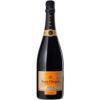
Dom Perignon Vintage 2012 Brut Champagne
Here is a detailed, in-depth article on Dom Pérignon Vintage 2012 Brut Champagne, covering its origins, production, tasting profile, critical reception, common questions people ask, and a conclusion.
Dom Pérignon Vintage 2012 Brut Champagne: A Deep Dive
1. Introduction
Dom Pérignon is one of the most iconic names in Champagne — a prestige, vintage-only cuvée produced by Moët & Chandon under the Dom Pérignon label. The 2012 vintage is especially notable: it reflects both the challenges and opportunities of a difficult growing season, resulting in a wine that combines energy, structure, and finesse.
Dom Pérignon 2012 is celebrated for its tension between power and elegance, its pure fruit expression, and an evolving complexity. It’s a bottle that invites patience — but also rewards early drinking. This article explores everything you might want to know: the vintage context, how it’s made, how it tastes, food pairings, what critics and consumers say, common questions, and overall verdict.
2. History & Heritage of Dom Pérignon
To understand the significance of the 2012 vintage, it’s helpful to recall what Dom Pérignon represents.
- Dom Pierre Pérignon, a Benedictine monk at the Abbey of Hautvillers, is often (mythically) credited with “inventing” Champagne. While that’s not strictly accurate, he contributed significantly to early blending techniques and pressing methods. (Wikipedia)
- Maison & Vintage Philosophy: Dom Pérignon is always a vintage Champagne — meaning it’s only made in years deemed exceptional by the cellar master. (Wikipedia)
- Maturation: Dom Pérignon vintages typically age in the cellar for many years before release — often more than 8 years. (Millesima)
- Prestige: As a “grand vin,” Dom Pérignon represents the highest level of craftsmanship, vineyard selection, and cellar aging from Moët & Chandon’s portfolio.
3. The 2012 Vintage: Context & Challenges
The 2012 harvest in Champagne was characterized by weather volatility and vine stress, but ultimately yielded grapes with strong potential — particularly for a wine like Dom Pérignon.
- According to Millésima, the 2012 season was “variable and difficult”: frost, heavy spring rains, hailstorms, and then a warm, dry summer. (Millesima)
- Because of these conditions, yields were relatively modest, which helped concentration in the remaining grapes. (Bulles: Buy/Sell Champagne Online)
- The harvest reportedly took place between 10 and 26 September, depending on the terroir. (Bulles: Buy/Sell Champagne Online)
- The result: a vintage with tension between freshness and richness, making it ideal for a structured, age-worthy Champagne. (Millesima)
4. Production & Winemaking
How Dom Pérignon 2012 is made sheds light on its character.
4.1 Grape Composition
- The 2012 Dom Pérignon is a blend of Pinot Noir and Chardonnay. (Millesima)
- According to Viniou, the composition is roughly 50% Chardonnay / 50% Pinot Noir. (Viniou)
- The grapes come from Grand Crus and Premier Crus, enhancing both quality and complexity. (PREMIUM GRANDS CRUS)
4.2 Vinification & Aging
- According to Plus de Bulles, the 2012 vintage underwent malolactic fermentation. (Bulles: Buy/Sell Champagne Online)
- Aging: Dom Pérignon 2012 spent a long time aging on its lees in the cellars, aligning with the house’s tradition of long maturation. (Fons Vinum)
- According to The Finest Bubble, the 2012 was disgorged in September 2020, meaning it had about 8 years on lees. (The Finest Bubble)
- According to Vintage Grapes, serving recommendation is 8–10 °C. (Vintage Grapes GmbH)
5. Tasting Profile
Here’s what to expect when tasting Dom Pérignon 2012.
5.1 Appearance / Color
- According to Viniou, the wine exhibits a “robe dorée éclatante” (bright golden robe), with fine, persistent mousse. (Viniou)
- Champagne Score describes it as a “brut white blend” with a light yellow hue. (Champagne Score)
5.2 Nose (Aromas)
- According to Millésima, the nose is complex: floral notes (white flowers), fruit (apricot, mirabelle plum), fresh mint, cinder or ash, and a salinity/mineral character. (Millesima)
- According to Falstaff (Anne Krebiehl, tasting in 2021), the bouquet also reveals grilled nuts, hazelnut praline, smoky richness, with a bright lemon streak. (Falstaff)
5.3 Palate & Finish
- Champagne Score says the palate is dominated by energy: “vibrant, with a surge of effervescence,” firm acidity, and a focused, taut finish marked by ginger, tobacco, and toast. (Champagne Score)
- Plus de Bulles describes the finish as resonant and penetrating, with notes of ginger, tobacco, and toast. (Bulles: Buy/Sell Champagne Online)
- According to the Finest Bubble, the 2012 shows “pinpoint mousse” (fine bubbles), a lively and structured palate, and a saline, dry finish. (The Finest Bubble)
6. Serving & Food Pairings
Because Dom Pérignon 2012 is a vintage, prestige Champagne with structure, pairing and serving it properly can elevate the experience.
6.1 Serving Temperature & Glassware
- Temperature: Best served at around 8–10°C (as recommended by Vintage Grapes). (Vintage Grapes GmbH)
- Glassware: Use a large Tulip or white-wine-style glass to allow the complex nose to open and develop, rather than a narrow flute.
6.2 Food Pairing
Based on tasting notes and pairing suggestions:
- Seafood: Delicate seafood like scallops, lobster, or oysters can complement its mineral and citrus notes.
- White Meat: Poultry in creamy sauces — a roast chicken with lemon butter, for instance — would pair well.
- Fine Dining: Consider subtle but refined dishes like risotto with shellfish or risotto alla Milanese.
- Cheese: Mild, creamy cheeses (e.g., Brie) or aged cheese would work well.
- Contrast Pairings: Given its energy and smoky notes, you can explore smoked foods like smoked salmon, or even light grilled fish.
7. Critical Reception & Ratings
How has Dom Pérignon 2012 been received by wine critics and the wine community?
- Champagne Score rates it 96/100. (Champagne Score)
- Falstaff: 96 points from Anne Krebiehl. The tasting described its richness, smoky/grilled nut profile, and long, salty finish. (Falstaff)
- Vinous / Wine Advocate / Others: According to WineExpress, James Suckling gave 97 points, praising its elegance, finesse, and tension. (Wine Express)
- Viniou: Notes its “fine bubble, noble complexity, brioche, fruit jaunes (yellow fruit), poire, poire / pomme verte, minéralité crayeuse.” (Viniou)
8. “People Also Ask” — Common Questions & Answers
Here are some of the most frequent Google-style questions people ask about Dom Pérignon 2012, with answers.
Q1: What grapes are used in Dom Pérignon 2012?
Answer:
Dom Pérignon 2012 is made from a blend of Chardonnay and Pinot Noir. (Viniou) According to Viniou, it’s roughly 50% Chardonnay and 50% Pinot Noir. (Viniou)
Q2: What is the alcohol content of Dom Pérignon 2012?
Answer:
The alcohol by volume (ABV) is 12.5%, as reported by retailers. (Lilovino)
Q3: What does Dom Pérignon 2012 taste like?
Answer:
- On the nose: Complex, with white flowers, apricot, mirabelle plum, mint, ash/mineral, nuts, and smoky richness. (Millesima) (Falstaff)
- On the palate: Energetic and vibrant; fine mousse, firm structure, acidity, and a finish that includes ginger, tobacco, toast, and salinity. (Champagne Score) (Bulles: Buy/Sell Champagne Online)
Q4: How long should you age Dom Pérignon 2012?
Answer:
- Many critics suggest patience: while the wine is drinkable now, its structure and acidity mean it will evolve and improve with time.
- According to sourcing like The Finest Bubble, the disgorgement in Sept 2020 and its depth suggest it’s appropriate to cellaring for several more years. (The Finest Bubble)
- According to Champagne Score, its drink window is 2023–2037, showing it has aging potential. (Champagne Score)
Q5: What food pairs well with Dom Pérignon 2012?
Answer:
- Elegant seafood: scallops, lobster, oysters.
- White meats: poultry in cream or butter sauces.
- Smoked & grilled: lightly smoked fish may pair nicely with its mineral and smoky notes.
- Cheese: creamy or mild aged cheeses.
- Fine dining dishes: risottos, subtle but rich dishes, or even refined desserts (if balanced).
Q6: How should I serve Dom Pérignon 2012?
Answer:
- Chill to 8–10 °C before serving. (Vintage Grapes GmbH)
- Use a white wine glass or tulip Champagne glass to maximize aroma and texture.
- Let it breathe slightly after opening — a little time can help the complexity open up.
Q7: Is Dom Pérignon 2012 a good investment?
Answer:
- Many enthusiasts and collectors consider it a solid vintage for long-term cellaring due to its structure, acidity, and richness.
- Critic scores (e.g., 96+ from several sources) support its quality. (Wine Express)
- However, like all Champagne, proper storage (cool, dark, stable) is critical for its aging potential.
9. Community Opinions & Anecdotes
It’s also useful to look at what wine lovers say — not just critics.
- One Reddit user wrote:
“Pale lemon … nose of citrus fruits, minerals … medium-bodied … limes, green apples, brioche, earth … long finish … needed 45 minutes of airtime to open up properly … needs 5 years to mature properly, and will continue to age nicely in the next 15 years.” (Reddit)
- Another commented:
“12.5% ABV … aged for 8 years on its lees … 51% Chardonnay / 49% Pinot Noir … elegant, rich … but very acidic now.” (Reddit)
- Storage advice:
“If you don’t have a wine fridge … keep it in a cool-ish, dark space… then chill a day or two before you plan to drink.” (Reddit)
10. Strengths & Considerations / Potential Drawbacks
Here are the key advantages and possible limitations of Dom Pérignon 2012.
Strengths
- Vintage Prestige: As a Dom Pérignon vintage, it carries status, quality, and long-term aging potential.
- Balance & Complexity: The combination of fruit, minerality, and structure is refined and multi-layered.
- Aging Potential: Scores suggest it will evolve beautifully; acidity and structure support long-term cellaring.
- Versatility: With a structured palate and bright finish, it can be paired with a wide range of fine foods.
- Critical Acclaim: High scores from respected critics (Falstaff, Suckling, etc.).
Considerations / Drawbacks
- Tight Youth: It may feel “tight” in its early drinking window; some suggest more bottle age before drinking.
- Price: As a prestige vintage Champagne, it commands a premium.
- Service Sensitivity: Needs the right serving temperature and glassware for full expression.
- Storage Requirement: To age well, it requires good cellar conditions.
- Subject to Cellar Variation: Depending on disgorgement date and storage, individual bottles may differ.
11. Conclusion
Dom Pérignon Vintage 2012 Brut is a compelling expression of a challenging yet fruitful year. It blends Pinot Noir and Chardonnay from top terroirs, showing a marriage of power and elegance. The wine’s nose is complex — floral, fruity, mineral, and smoky — while its palate brings energy, fine mousse, and a long, saline finish layered with ginger, toast, and tobacco.
Critically well-received (with scores around 96+), it is a Champagne built for both near-term enjoyment and long-term aging. It’s not a “drink-it-all-now” wine, but with patience — and the right storage — it has the potential to unfold beautifully for years to come.
If you’re looking for a vintage Dom Pérignon that’s structured, refined, and still evolving, the 2012 is an excellent choice. It’s particularly suited for celebratory moments, gastronomic pairings, and special occasions — or for adding to a cellar with intent to revisit it as it matures.
If you like, I can compare Dom Pérignon 2012 with other top Dom vintages (e.g., 2008, 2010, 2013) — do you want me to do that?

Old Weller Antique 107 Original Wheated Straight Bourbon
Eagle Rare 10 Years Bourbon
Old Forester Rye 100 Pf
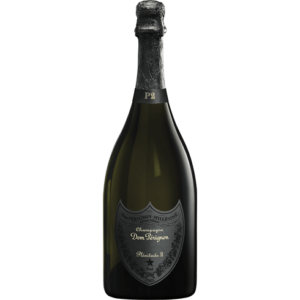
Dom Perignon ""P2"" Brut, 2002 


Reviews
There are no reviews yet.