Tita Dona Celia Anejo Tequila
Below is a detailed, comprehensive article on Tita DoƱa Celia AƱejo Tequila, including what is known about its production, tasting profile, market presence, frequently asked questions (People Also Ask style), criticisms, comparisons, and a conclusion. If you want, I can also pull up alternative tequilas that are in a similar price/quality range for your region.
Introduction & Brand Background
What is Tita DoƱa Celia Tequila?
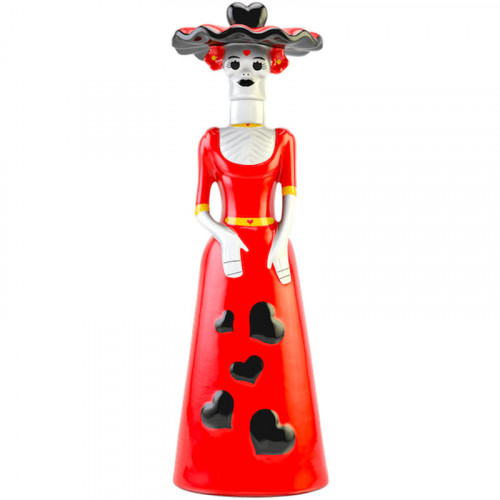
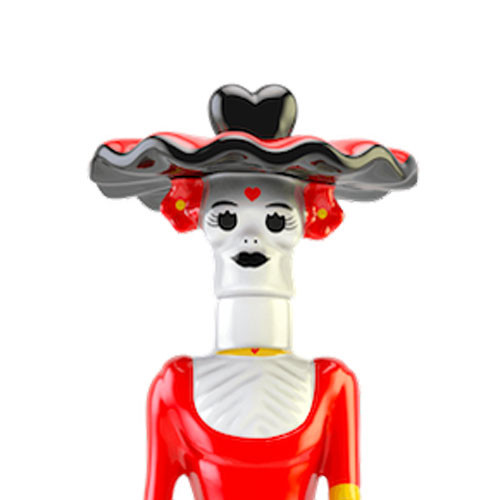
- Brand & Name: Tita DoƱa Celia (often written Tita DoƱa Celia or DoƱa Celia) is a tequila line that celebrates Mexican culture, particularly drawing on the imagery of La Calavera Catrina. The name āDoƱa Celiaā references Celia Maestri, affiliated with Casa Maestri distillery. The bottles are ceramic, handāpainted, modelled as skeletal lady ācatrinasā or female skeleton figurines, blending art, folklore, and tequila. (wineandspirit.com)
- Distillery: The tequila is produced by Casa Maestri in Tequila Town (Tequila, Jalisco), Mexico. Casa Maestri is described in sources as a premium, awardāwinning tequila distillery. (wineandspirit.com)
- Expressions: The brand offers multiple aged expressions: Blanco, Reposado, and AƱejo. This article focuses on the AƱejo expression. (wineandspirit.com)
Aesthetic & Packaging
- The bottle is ceramic, often handāpainted, shaped like an elegant skeletal lady (Catrina) figure. The design is heavily tied to DĆa de los Muertos (Day of the Dead) tradition, folkloric imagery, and Mexican artistic heritage. (Caskers)
- The visual appeal plays a significant role in its market positioning: collectors and giftābuyers are a target audience, not just those looking purely for tequila taste. (Wigmore Wholesale)
Production Details & Specifications
Hereās what is publicly known (and what is less certain) about how Tita DoƱa Celia AƱejo is made: raw materials, aging, distillation, etc.
| Feature | Known Details |
|---|---|
| Agave Type | 100% Blue Weber agave (Tequilana Weber) is used. (wineandspirit.com) |
| Region | Jalisco, Mexico. More specifically, sources mention Los Valles region as one of the origin points. (wineandspirit.com) |
| Cooking / Roast Method | There are mentions of slow baking in brick ovens and autoclaves (high pressure) used for cooking the agave hearts (āpiƱasā). Some sources say traditional slow bake in brick ovens, others indicate a combination. (Ipirotissa) |
| Extraction / Milling | Traditional mills (molinos) for some batches; roller mills in others are mentioned in sources. (Tequila Matchmaker) |
| Fermentation & Distillation | The spirit is double distilled. Fermentation in stainless steel tanks is cited. Some mention copper pot / copper stills for part of process (or copper pot stills in later stages). (Tequila Matchmaker) |
| Aging (AƱejo details) | AƱejo expression is aged for at least 12 months (often described as 12ā18 months in certain sources) in American white oak / white oak barrels. (Caskers) |
| ABV / Proof | 40% ABV (80 proof). (Caskers) |
| Bottle Size & Packaging | 700 ml or 750 ml bottles. Ceramic bottle, hand painted, with artisanal design. (Ipirotissa) |
Tasting Profile & Sensory Experience
Here are aggregated tasting notes from retailers, community reviews, and brand sources. Individual bottles may vary somewhat (batch variation, storage, etc.).
Appearance / Color
- The color is described as amber or golden amber, often ālight goldā or a warm goldāoak tone. (Quality Liquor Store)
Aroma / Nose
Commonly cited aroma (nose) characteristics include:
- Cooked agave (still noticeable even after aging) (Tequila Matchmaker)
- Wood / oak ā characteristic oak aroma from barrel aging (Caskers)
- Notes of vanilla, caramel, and cocoa/cacao or chocolate notes in some sources (Caskers)
- Spicy touches ā cinnamon, light pepper, sometimes nutmeg or baking spices mentioned (Tequila Matchmaker)
Palate / Taste
Flavors on tasting generally described:
- Sweetness: caramel, toffee, possibly butterscotch or mild dessertālike sweetness. (Caskers)
- Oak influence: toasted oak, barrel wood flavor, sometimes toasted nuts or cocoa. (cavadrosia.gr)
- Cooked agave, sometimes notes of vanilla, dark chocolate. (citydrinks.com)
- Some fruitiness or dried fruit / hints of dark fruits in background in some descriptions. (citydrinks.com)
Finish
- The finish is described as long, warming, smooth. Oak and sweet notes linger. (Caskers)
- Not overly harsh, little burn according to many reviews. Some reports of spice or wood still present at the end. (Tequila Matchmaker)
Market, Pricing & Availability
Pricing
- Retail prices vary depending on region, import duties, retailer markups, etc. Some examples:
- Caskers lists it around US$86.99 for 750ml. (Caskers)
- Other retailers have it in the US$70āUS$90 range (depending on availability) in certain markets. (Luekens Wine & Spirits)
- In Europe, where import and VAT costs add up, prices are higher (often ~ā¬100+). (cavadrosia.gr)
Availability
- Tita DoƱa Celia AƱejo is a limited edition / premium line; its unique bottle design (ceramic, hand painted) contributes to both appeal and cost. (Ipirotissa)
- Found in specialty liquor stores, online premium spirits retailers, some dutyāfree shops. Availability among states/countries varies; some places have limited supply. (Caskers)
Awards & Reputation
- The brand is presented by various sources as from āMexicoās most awarded tequila distilleryā (Casa Maestri). (qualityliquorlive.shop)
- DoƱa Celia AƱejo is listed on Tequila Matchmaker with rating ~āÆ81 from community in certain cases. (Tequila Matchmaker)
āPeople Also AskāāStyle Questions & Answers
Here are many of the common questions people search about Tita DoƱa Celia AƱejo Tequila, with answers and caveats.
1. What is Tita DoƱa Celia AƱejo Tequila?
Answer:
It is a premium 100% Blue Weber agave tequila from Casa Maestri distillery, produced in Jalisco (Mexico), in the Los Valles / Los Valles / Jalisco region, and aged for at least 12 months in white oak / American oak barrels. It comes in a handāpainted ceramic bottle resembling a skeletal figure (La Catrina) which emphasizes Mexican folkloric art. It is 40% ABV (80 proof). (Caskers)
2. How long is it aged?
Answer:
The AƱejo expression is aged for a minimum of 12 months, sometimes up to 12ā18 months according to certain retailer listings. (Caskers)
3. What does āAƱejoā mean in this context?
Answer:
āAƱejoā means āagedā in Spanish. In tequila terms, it refers to tequila that has been aged in oak barrels for at least one year, but less than three years (after that it is āExtra AƱejoā). Tita DoƱa Celia AƱejo fits that classification by being aged 12+ months but under 3 years. (wineandspirit.com)
4. What are the tasting notes / flavor profile?
Answer:
- Nose (aroma): wood / oak, vanilla, caramel, cocoa / chocolate, cooked agave, cinnamon, maybe toasted nuts. (Caskers)
- Palate (taste): sweet / dessertālike notes (caramel, toffee), oak, dark chocolate or cocoa, some spice, cooked agave. (citydrinks.com)
- Finish: long, smooth, warming, oak sweetness lingers, sweet notes like caramel, chocolate, with mild wood/spice. (Caskers)
5. What is the ABV / Proof?
Answer:
40% ABV (80 proof). (Caskers)
6. Is it made with 100% Blue Weber agave?
Answer:
Yes; the brand states ā100% Blue Weber agaveā is used in its production. (Caskers)
7. What kind of barrels are used for aging?
Answer:
White oak / American white oak barrels are used. Some sources specify āwhite oak barrels.ā They impart oak/vanilla/wood flavors. (Caskers)
8. Where is it produced?
Answer:
Casa Maestri distillery in Tequila, Jalisco, Mexico. Some sources specify Jalisco, Los Valles as the agave growing region. (wineandspirit.com)
9. How much does it cost / is it expensive?
Answer:
- In many US markets, it’s priced between US$70ā90 for a 750 ml bottle in standard retail / specialty stores. (Luekens Wine & Spirits)
- In Europe (or in countries with import duties), the price is higher (often over ā¬100). (cavadrosia.gr)
10. Is it worth the price?
Answer:
It depends on what you’re valuing:
- If you appreciate not only flavor but also the bottle as art, culture, and giftāpresentation, then Tita DoƱa Celia AƱejo likely gives good value. The design, artisan ceramic bottle, and cultural imagery add intangible value.
- If your focus is purely flavor / tequila craft, there may be other tequilas that offer more agaveāforward character, more detail regarding source or aging, or cheaper price per flavor. Some reviews on Reddit express concern about lack of detailed transparency, or that bottle art is big part of cost. (Reddit)
11. Are there any additives / coloring used?
Answer:
This is not clearly or universally documented. Some community commenters suspect that since much less information is given about color / additives, there may be additives; however, no verified brand or regulatory source confirms that Tita DoƱa Celia AƱejo has added color or sweeteners. Many sources highlight ā100% agaveā and āpremium,ā but that does not always guarantee no additives (legal tequila regulations allow some additives in some categories, though 100% agave and aƱejo generally suggests more premium standards). So unless the bottle or brand explicitly states āno additives,ā full certainty is lacking. (Reddit)
12. How should one drink it / serving suggestions?
Answer:
- Best served neat (no ice) in a tequila tasting glass (snifter, Glencairn, or tulip glass) to appreciate aroma first.
- Allow to warm a bit to room temperature so aromas open fully.
- Small sips to let oak / wood & sweet notes reveal.
- Possibly pair with dark chocolate, dessert items, or mild cheeses that complement vanilla / caramel / chocolate notes.
- Avoid overādilution: ice or mixers will mute subtle oak and agave flavors.
13. What are good alternatives / comparisons?
Answer:
For people considering Tita DoƱa Celia AƱejo, possible alternatives are other aƱejo tequilas in the same price tier that emphasize oak, smoothness, and presentation. Examples might include (depending on local availability)::
- Tequilas that are aged ~12ā18 months in white oak with good flavor profile (similar oak/carame,l vanilla notes).
- Similar designāoriented bottles (though many tequila makers focus more on liquid than packaging).
- Some reposados with extended aging or extra aƱejos if willing to spend more.
The best alternative depends on whether the consumer values flavor, price, or packaging/art.
14. Are there criticisms of Tita DoƱa Celia AƱejo?
Answer:
Yes. Some commonly expressed criticisms include:
- Lack of transparency: Some consumers want more concrete details (exact cooking method, barrel char / size, additive disclosure, aging exact months) and find the brand somewhat vague.
- Price vs performance: Some feel that part of the high price goes to bottle art and packaging rather than extraordinary flavor compared to other premium aƱejos.
- Additives concerns: Some suspicion among enthusiasts that color or flavor enhancers might be used (though no proof).
- Bottle variance: As with many ceramic bottles, storage, exposure to sunlight, etc., might alter presentation (bottle might discolor, etc.), though thatās more about the bottle than the tequila itself.
Comparisons with Similar Tequilas
To put Tita DoƱa Celia AƱejo in perspective, here are some comparison points with similar aƱejo tequilas.
| Aspect | Tita DoƱa Celia AƱejo | Similar AƱejo Tequilas (same price / age) |
|---|---|---|
| Aging Duration | ~12 months (some 12ā18 months) | Many aƱejos are aged 12ā24 months; extra aƱejo more. So Tita is in lower to midārange aging. |
| Oak Influence | Strong oak / wood, sweet notes, noticeable barrel character | Some tequilas have more subtle wood, some heavier; depends on barrel size / char. Tita leans toward sweet + oak. |
| Agave Presence | Cooked agave still present, though somewhat behind oak in many taste notes | Some tequilas prioritize keeping agave forward; others allow oak to dominate more. |
| Bottle & Brand Appeal | High packaging and artistic value; collectible bottle, ceramic, artistically designed | Many premium tequilas have decorative bottles; Titaās bottle is more āfigurine / art pieceā than many standard bottles. |
| Value per Flavor | Price is moderateāhigh; many find flavor acceptable for cost if you value packaging; others think there are better ones for pure flavor | In many markets, there are aƱejos with similar or more complex flavor for similar price if packaging is simpler; or extra aƱejos for more investment. |
Strengths & Weaknesses Summary
Hereās a recap of what Tita DoƱa Celia AƱejo does well, and where it may not suit every palate or purpose.
Strengths:
- Strong visual / collector appeal ā unique ceramic handāpainted bottle; artistic/folk elements.
- Pleasant flavor profile ā oak, vanilla, caramel, chocolate, with cooked agave; good for sipping.
- Smooth finish ā low harshness, approachable for many drinkers.
- Cultural storytelling ā ties to Mexican heritage, La Catrina, art; adds to the experience beyond just the liquid.
- Brand & Distillery pedigree ā Casa Maestri is viewed in many sources as a serious tequila producer.
Weaknesses / TradeāOffs:
- Price premium ā cost is higher in many markets, partially because of bottle and branding; might be steep if you’re focused mainly on liquid.
- Transparency issues ā lack of full technical detail in some sources (e.g. exact barrel char, additives, etc.), which some enthusiasts ask for.
- Oak dominance ā for those who prefer agaveāforward tequilas, the oak, caramel, and wood notes may overshadow the agave.
- Age somewhat modest for an aƱejo ā 12 months is the minimum standard; others at similar price sometimes offer longer aging or more nuanced wood treatment.
- Ceramic bottle drawbacks ā weight, fragility for travel; possibly more expensive to ship; risk of bottle damage.
Example Tasting Narrative (How Someone Might Experience It)
Hereās a hypothetical walkāthrough of tasting Tita DoƱa Celia AƱejo, to bring the sensory experience to life.
You pour ~30 ml into a tulip glass. The ceramic bottle itself gives a tactile and visual ceremony ā the handāpainted skeletal figurine, warm weight in your hand. You swirl the liquid; color catches light ā warm golden amber with maple or caramel glow.
First nose: cooked agave sweet, then oak wood, vanilla bean, caramel, maybe some cocoa dust. Underneath, a faint spice (cinnamon or clove). There is warmth, but not overwhelming.
First taste: entry is smooth, sweet ā caramel and cooked agave. Midāpalate moves into deeper oak, a touch of chocolate or cocoa, perhaps dark fruit or dried fruit behind. Vanilla lingers. Some toasted wood or mild roasting effect.
Finish: oak and caramel linger. Sweetness persists but tapers; mild spice or warmth remains. No harsh bite; smooth exit.
Second sip picks up maybe more wood and vanilla, some nuttiness or toasted nuts in background. The agave remains present but more as a base than front and center.
This would be a tequila suited for slow sipping, contemplative moments, rather than mixing heavily or shots.
Conclusion
Tita DoƱa Celia AƱejo Tequila is an intriguing blend of craft, culture, and flavor. Its strengths lie in its artistic presentation, smooth sipping profile, and respectable flavor of oak, caramel, chocolate, and cooked agave. For those who appreciate tequilas as more than just spirits ā as art, cultural expression, and sensory experience ā it offers a compelling package.
Whether itās worth obtaining depends largely on what you prioritize:
- If you value presentation, gifting, design, and smooth, sweet woodāforward flavor, then Tita DoƱa Celia AƱejo gives more than just a drink ā it gives experience.
- If your priority is agave purity, minimal oak, or getting maximum flavor per dollar, then perhaps you might find other aƱejo or extra aƱejo tequilas that deliver more in that dimension, possibly at a similar or lower price (with simpler bottles).
If I were advising someone considering this tequila, Iād suggest: try a small pour first (if possible) to see if the oak / sweetness balance appeals to you. Let the price vs your budget guide whether the ceramic bottleās value justifies the extra cost. And enjoy it neat, so all its subtleties can shine.


Reviews
There are no reviews yet.