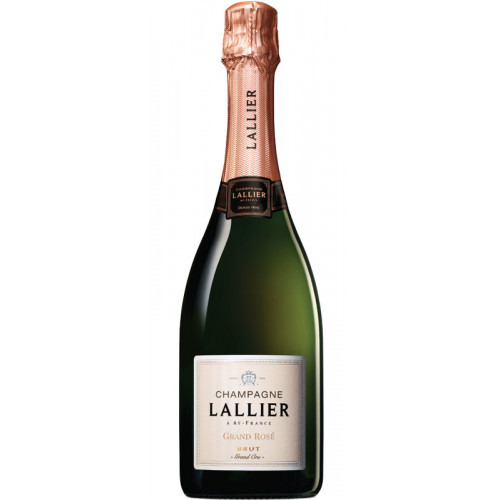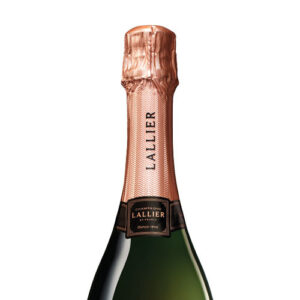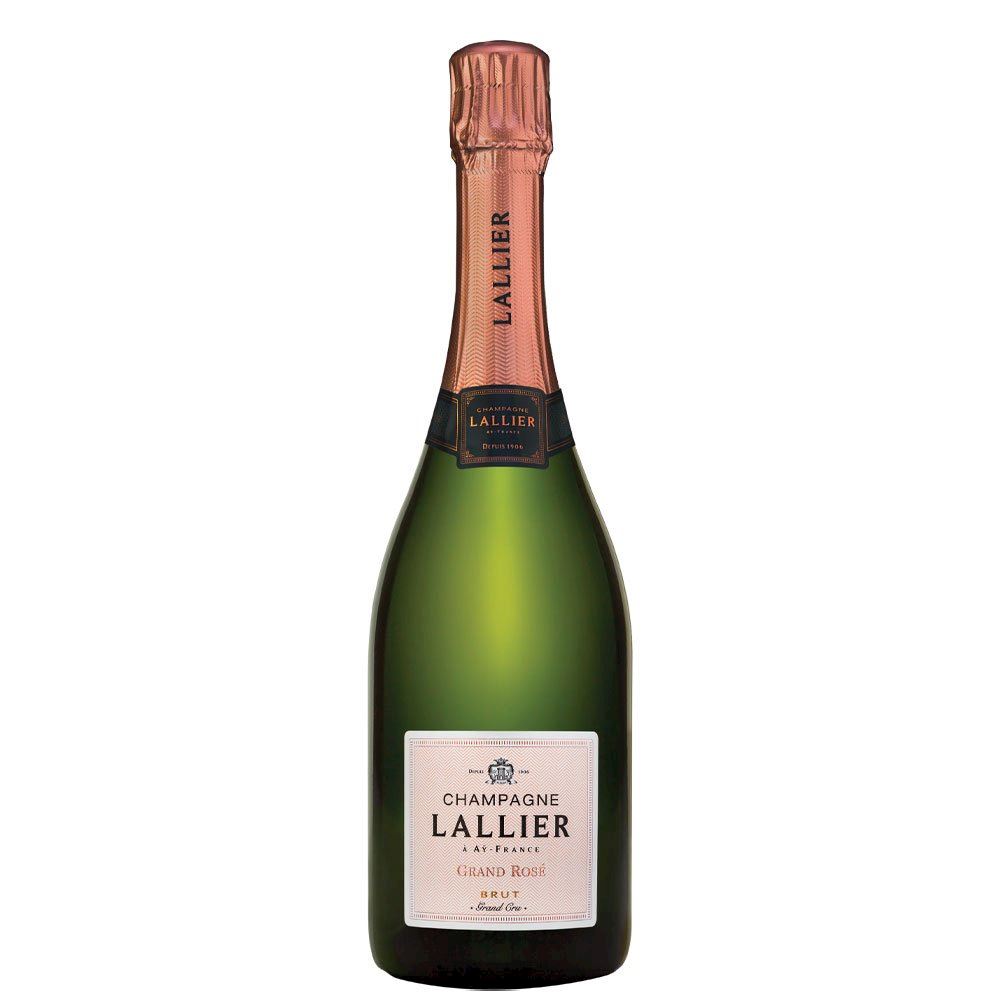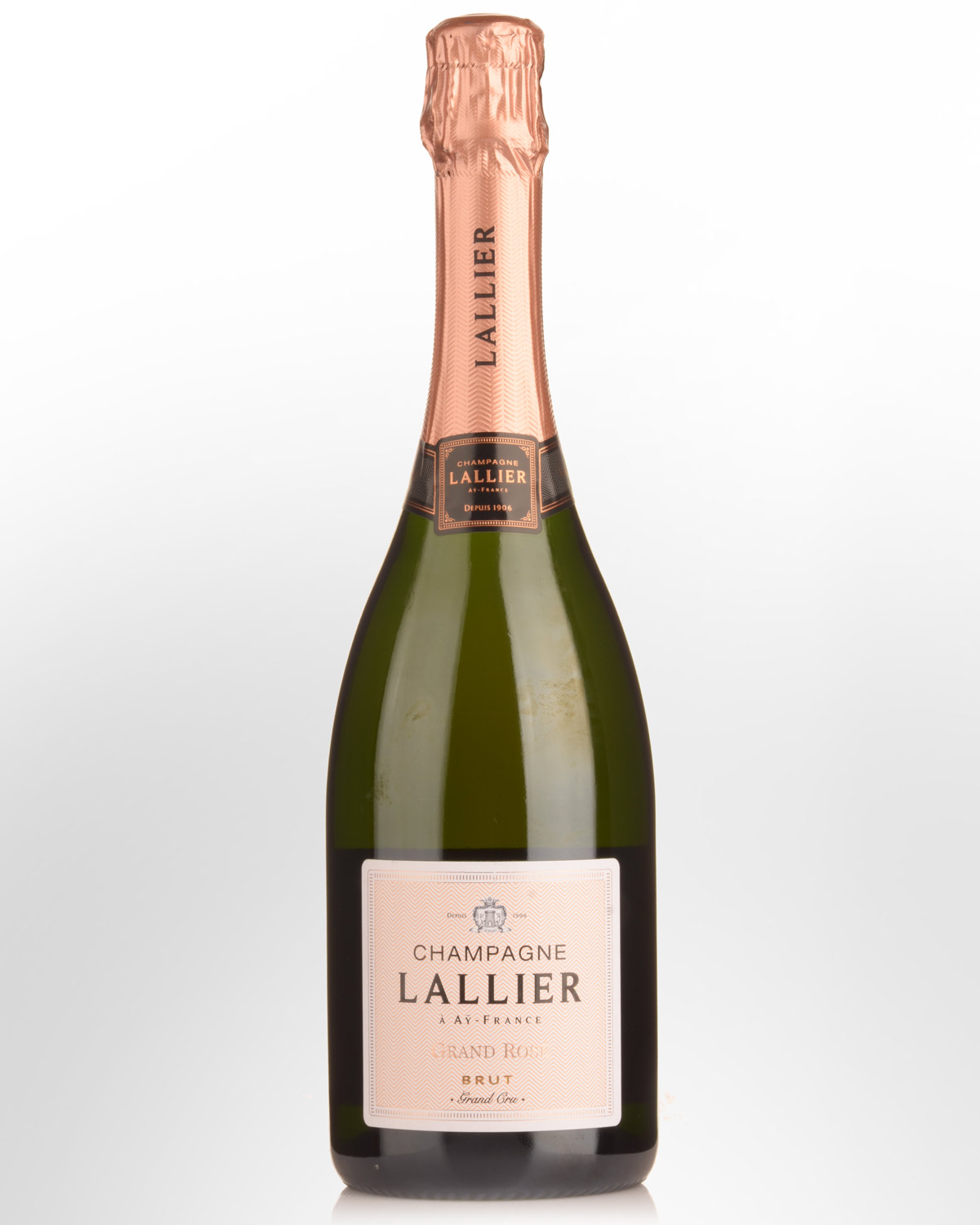
Lallier Grand Rosé Brut Champagne


Here is a detailed deep-dive article on the Champagne Lallier Grand Rosé Brut—covering its background, production, tasting profile, serving & pairing, typical “People also ask” questions with full answers, and practical considerations (especially if you’re purchasing in a market like Cameroon).
Introduction
Rosé Champagnes occupy a special place in the bubbly world: they bring colour, festivity, and often a unique production twist (red-wine addition, maceration, Pinot Noir emphasis) compared to standard white Champagnes. The Lallier Grand Rosé Brut is Champagne Lallier’s major rosé offering (sometimes referred to as “Rosé Brut Grand Cru”). It blends the house’s craftsmanship with Pinot Noir-driven character, Grand Cru vineyards, a delicate blush colour and refined style. If you’re considering investing in or gifting a rosé Champagne, this cuvée offers a strong mix of quality, distinctive style and value.
In what follows we’ll look at:
- The house: Lallier – heritage & style
- The cuvée: Grand Rosé Brut – production, blend & technical data
- Tasting profile: appearance, aroma, palate & finish
- Serving & food-pairing, storage/ageing potential
- Market positioning, pricing & availability (for reference)
- “People also ask” section: frequently searched questions with answers
- Pros & cons and conclusion: is it a good buy and for whom?
This article will give you a full view so you can decide whether this bottle is right for you.
1. The House: Champagne Lallier – Heritage & Style
Origins & Location
Champagne Lallier is based in Aÿ, in the Champagne region of France. The village of Aÿ is a Grand Cru rated site, known for high-quality vineyards. Lallier was founded in 1906 by René Lallier. (Millesima) In the early 2000s the house underwent modernization under Francis Tribaut. (Millesima)
House Philosophy & Style
According to the house, their cuvées are defined by finesse, terroir expression and elegance. From their rosé description:
“A sumptuous, bold twist on classic rosé Champagne, rounded with vivid freshness and a delicate but intense taste.” (Champagne Lallier)
They emphasize fully vinifying and blending carefully, ageing on lees, and using selected Grand Cru vineyards. For instance, their rosé uses grapes from Montagne de Reims (Verzenay, Verzy, Bouzy, Ambonnay) with a touch of Chardonnay from Côte des Blancs. (Champagne Lallier)
Thus, if you choose this Champagne, you are selecting a house with serious credentials and a focus on quality.
2. The Cuvée: Grand Rosé Brut – Composition & Production
Vineyard Sources & Origins
From the house website (Italian version for rosé):
“Ottenuto da uve provenienti dalla Montagne di Reims (Verzenay, Verzy, Bouzy et Ambonnay) unitamente ad un tocco di Chardonnay della Côte des Blancs.” (Champagne Lallier)
So most of the fruit is Pinot Noir (since Montagne de Reims is Pinot – especially Bouzy, Verzenay etc) and a component of Chardonnay from Côte des Blancs adds freshness.
Blend & Technical Details
- According to the house: “Made with 65% Pinot Noir and 35% Chardonnay.” (Champagne Lallier)
- Some retailers list slightly different breakdowns: e.g., 65/35 or 65/35 with 7% of still red‐wine Bouzy Grand Cru added for colour & structure. (Champagne Lallier)
- Ageing: Minimum 36 months on lees. The house states “Aging 36 months minimum”. (Champagne Lallier)
- Dosage: 8 g/L. (Champagne Lallier)
- The production method: Retailers note that for the Grand Rosé Brut Grand Cru, thermal maceration is used (Pinot Noir & Chardonnay undergo “macerazione a caldo” – warm maceration) to extract colour without high tannins. (Millesima)
- Additional note: Some mention 80% current vintage wines + 20% reserve wines. (Millesima)
- Alcohol: One retailer shows ABV 12.5%. (Winery.fr)
Summary Table
| Parameter | Detail |
|---|---|
| Grape varieties | ~65% Pinot Noir / ~35% Chardonnay |
| Red‐wine addition | ~7% still red wine from Bouzy Grand Cru (in some blends) (Champagne Lallier) |
| Ageing on lees | Minimum 36 months |
| Dosage | ~8 g/L |
| Vineyard sources | Montagne de Reims (Verzenay, Verzy, Bouzy, Ambonnay) + Côte des Blancs |
| Style | Rosé Brut – Grand Cru level |
Given these technical details, you can expect a rosé Champagne with good structure, elegance and refined character – not just a casual entry model.
3. Tasting Profile & Characteristics
Let’s break this down into appearance, nose, palate and finish.
Appearance
- Colour: The house describes a “light pink” / “rosa tenue” colour for the rosé. (Champagne Lallier)
- One retailer notes “a beautiful pale rose colour” for the Grand Rosé Brut Grand Cru. (Millesima)
Thus expect a subtle salmon/pale pink hue, rather than a deep ruby-rose.
Aroma (Nose)
From the house:
“Fruit-dominant with fresh cherry, red currant and raspberry notes, and delicate hints of apple and mandarin.” (Champagne Lallier)
From Italian description: “Fruttato con note di ciliegia fresca, ribes rosso e lampone e delicati accenni di mela e mandarino.” (Champagne Lallier)
From wine library review: “Bright orange-pink. Mineral-laced red berry and blood orange scents are complicated by notes of jasmine, anise and buttered toast.” (Wine Library)
Thus on the nose you can expect red-berry fruit (strawberry, raspberry, cherry, red currant), a hint of citrus/mandarin, some floral or subtle spice/vanilla/ toast notes and a mineral undercurrent.
Palate (Taste & Texture)
Descriptions:
- The Italian version: “Sapore rotondo di frutti rossi e note floreali, seguito da un’intensa freschezza e una delicata acidità, con persistenza salata.” (Champagne Lallier)
- Wine Library: “Juicy redcurrant and tangerine flavours … gentle acidity … floral finish … saltiness.” (Wine Library)
Thus you can expect a palate that starts rich with red fruit, balanced by freshness and acidity, then a mineral/saline finish. The presence of 65% Pinot Noir suggests structure and depth; the Chardonnay gives freshness and finesse.
Finish & Overall Impression
- The wine is described as “persistent and saline finish”. (Millesima)
- On wine.com: Ratings: Decanter 92 pts, Wine Spectator 90 pts for this rosé. (Wine)
The finish is likely long, crisp, and polished—especially given 36+ months ageing. The combination of red fruit, texture, and mineral freshness makes this Champagne more than simple fizz – it’s a refined rosé.
Summary
The Lallier Grand Rosé Brut offers an experience combining elegance (pale colour, fine bubbles), fruit vibrancy (red berries, citrus), structure (Pinot Noir backbone, Grand Cru sourcing), and mineral finesse (chalky vineyards, saline finish). It can serve as both a stylish aperitif and a partner to a full meal.
4. Serving, Food Pairing & Storage
Serving Recommendations
- Temperature: The house recommends 10-12 °C. (Champagne Lallier)
- Glassware: They advise using a glass between a flute and a wine glass (“gambo lungo, coppa ampia e apertura stretta”). (Champagne Lallier)
- If you plan to later pair with food, open the bottle at least 15 minutes before serving to allow aromas to open.
- When pouring: Chill thoroughly (~2-3 hours in fridge or ice bucket), open gently, pour moderately to allow mousse to settle.
Food Pairing
Because of its profile (rosé with structure, red fruit, freshness and a slight saltiness), pairings include:
- Apéritif: Serve alone or with light canapés. The house suggests it “brightens any aperitif moment”. (Champagne Lallier)
- Seafood / Shellfish: lobster, langoustine, chilled crab; raw fish; suggested by retailers for Grand Rosé. (Millesima)
- Fish: red mullet, sea bass, dishes with light citrus/rosé sauce.
- Poultry or light red meats: Given the Pinot Noir content, it can pair with richer dishes than typical Champagnes.
- Desserts / Fruits: A charlotte aux fruits rouges (red-fruit dessert), or dishes featuring raspberries, strawberries, or a tart with red berries. (Millesima)
Storage & Ageing Potential
- Storage: Keep horizontally (or slightly inclined) in a cool, dark, vibration-free cellar. Ideal ~10-13 °C, humidity ~70%. In warmer climates (like Cameroon/Central Africa) ensure imported bottle has been properly stored in controlled temperature.
- Ageing: While Rosé Champagnes often are consumed young, this one’s Grand Cru sourcing, extended ageing (3+ years) and structure mean it can age modestly. Dealers list ratings ~90–92 pts and suggest it is “ready to drink” but will hold a few years. (Millesima)
- Recommendation: Drink within 1–5 years for vibrant fruit; store and hold up to 7-8 years if properly cellared for more complexity. Note that Champagne in general is sensitive; storage conditions matter more than vintage in many cases.
5. Market Positioning, Pricing & Availability
Positioning
- This cuvée is “Grand Rosé Brut Grand Cru” from Lallier. While not necessarily top-tier ultra-prestige (like a named vintage rosé from a mega-brand), it is clearly above entry-level.
- Lallier is less internationally dominant than some larger houses, but their quality and sourcing (Aÿ, Bouzy, Grand Cru) give serious value.
- In the rosé Champagne category, this bottle offers a strong mix of quality and relative value.
Pricing
- A French retailer lists ~€39.90 for 75 cl. (Winery.fr)
- Another listing: ~€50.90. (Millesima)
- UK retailer lists ~£69.99. (Homepage)
- Ratings: Wine.com lists 92pts Decanter / 90pts Wine Spectator for this wine. (Wine)
Therefore in European markets the price is moderate for the quality. In markets with higher import duties (Africa, Asia) landed cost may be significantly higher. So buyers in Douala/Yaoundé should check total cost (shipping, duty, storage + markup) relative to Europe to assess value.
Availability
- Several online retailers stock the bottle (see search results).
- For hot-climate markets: verify that the bottle was stored and shipped correctly (cold chain, minimal heat exposure) because rosé Champagne is sensitive to storage conditions.
- When purchasing outside Europe: ask for provenance, import documentation, guarantee of storage conditions.
6. “People Also Ask” – Common Questions & Answers
Here are frequently searched questions about Lallier Grand Rosé Brut, with answers.
Q: What grapes are used in Lallier Grand Rosé Brut?
A: The blend is approximately 65% Pinot Noir and 35% Chardonnay for the Grand Rosé Brut Grand Cru. (Champagne Lallier)
Q: What is the production method / how is this rosé made?
A: The production includes: vinifying white wines from Pinot Noir and Chardonnay separately; in some cases adding about 7% of still red wine from Bouzy Grand Cru for colour and structure. (Champagne Lallier) A warm maceration technique (macerazione a caldo) is used with the grapes to extract the rosé colour without heavy tannin. (Millesima) Ageing is a minimum of 36 months on lees; dosage is ~8 g/L. (Champagne Lallier)
Q: What does Lallier Grand Rosé Brut taste like?
A:
- Colour: pale salmon/pink. (Millesima)
- Nose: fresh red berries (wild strawberry, raspberry, red currant), subtle citrus/mandarin or apple. (Champagne Lallier)
- Palate: rounded fruit entry, floral notes, refreshing acidity, saline/ minerally finish. (Millesima)
- Finish: long, crisp, with good structure and elegance. Ratings show 90–92 pts. (Wine)
Q: How should I serve and what foods pair well?
A:
- Temperature: Serve between ~10-12 °C. (Champagne Lallier)
- Glassware: Ideal is a tulip or wine-glass style with long stem, wide bowl. (Champagne Lallier)
- Pairings: As an aperitif or with seafood (lobster, crustaceans), raw or lightly cooked fish, seafood platters; also desserts with red berries or white meats. Examples: charlotte aux fruits rouges, lobster. (Millesima)
Q: How long can it be cellared / what is its ageing potential?
A: While many rosé Champagnes are consumed early, this bottle has good structure (Pinot Noir component, Grand Cru sourcing, 36+ months ageing) which supports moderate ageing. One guide (Millesima) shows Parker 87/100 rating and suggests it remains fresh and fruity. (Millesima) In practical terms: drink within 1-5 years for top fruit; you may cellar up to ~7 years or more if storage is excellent.
Q: Is this rosé Champagne a good value?
A: Yes—in European markets the pricing (~€40-50) for a Grand Cru rosé Champagne with these specifications and ratings (90-92 pts) is strong value. For buyers in markets with heavy duties/import mark-ups, value depends on landed cost and storage condition. If the final price is much higher relative to Europe, you may want to compare alternatives.
Q: What should I check when buying in my region (e.g., Cameroon/Douala)?
A: Important checks:
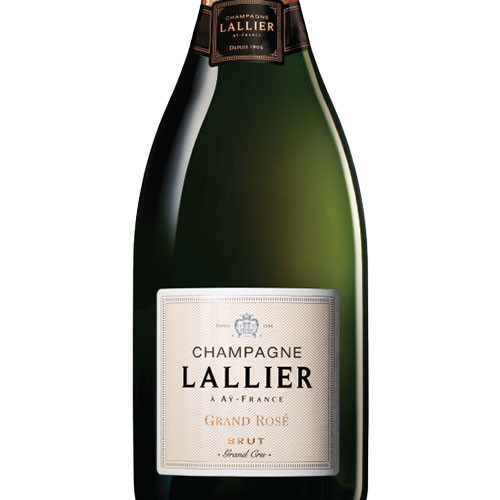
- Confirm that the bottle is indeed the “Grand Rosé Brut” and reads Lallier clearly, not a mis-labelled version.
- Verify fill level, capsule condition and label integrity (heat can cause damage).
- Ask supplier about storage/transport: Has the bottle stayed in temperature-controlled storage? Was it subjected to excessive heat/vibration?
- Compare local pricing vs European benchmarks (~€40-50) to assess whether mark-up is reasonable.
- If you plan to keep the bottle for a while: ensure you have proper cellar (cool, dark, stable). In warm/humid markets the storage environment is crucial.
Q: What is the colour and presentation like for this Champagne?
A: The Champagne is pale salmon-pink in colour (“rosa tenue”, “light pink”) and the bottle is presented under the Lallier label with expected quality packaging. The blush colour is subtle rather than deep. (Champagne Lallier)
7. Pros & Cons – What to Consider
Pros
- Strong quality credentials: Grand Cru sourcing, 65% Pinot Noir (which often gives more structure in rosé Champagne), dedicated rosé production method.
- Excellent value in many European markets (~€40-50) for a rosé Champagne of this specification.
- Versatility: Works as aperitif, with meals, seafood, desserts – good all-rounder.
- Elegant style: pale colour, refined nose & palate, mineral finish – rather than overt sweetness.
- Storage/ageing potential: above average for rosé Champagnes.
Cons / Things to Watch
- Storage risk: As with all Champagne, but especially in warm climates (Cameroon, West Africa) the storage/transport chain can dramatically affect quality. A well-stored bottle is essential.
- Import/markup risk: In markets with heavy import duties, shipping costs and mark-ups, the landed cost may be significantly higher than European benchmark. This can reduce value.
- Style preference: If you prefer very deep ruby rosé, heavily fruity or sweet styles, this more refined style may feel less dramatic—though many will see that as a plus.
- Availability: Although online many retailers list it, local availability may be limited; you may pay premium for import.
- Aging limit: While better than entry rosé, this is still not a top-tier prestige vintage rosé destined for decades. If you want ultra-long-term cellaring (10-20 yrs) then some other bottlings might be more appropriate.
8. Conclusion
Final verdict: The Lallier Grand Rosé Brut offers a compelling combination of style, quality and value. With a solid blend of Pinot Noir and Chardonnay, Grand Cru sourcing, and extended ageing on lees, it stands out among rosé Champagnes in its price-category. For those who appreciate elegant, mineral-tinged rosé bubbles that can both sparkle at the start of a meal and carry through to the food, this is a strong option.
When to choose it:
- When you want a rosé Champagne that is a step up from basic NV rosé bottles but not ultra-premium/over-budget.
- When you plan to serve it for an occasion where style and quality matter (celebration, gift, dinner) rather than just casual.
- When you have access to proper storage or will consume it relatively soon (within a few years).
- When you find it for a reasonable price relative to European benchmark (~€40-50) and from a trusted retailer/importer.
When you might choose something else:
- If your budget is very tight and you are happy with basic NV rosé fizz.
- If you anticipate holding the bottle for 10-20 years and want something ultra-prestige.
- If your local landed cost is very high (e.g., > twice the European benchmark) and you question value.
- If you prefer very rich, ultra-fruit-bomb rosé styles or ultra-champagne “flashy” style rather than understated finesse.
In the context of West/Central Africa (Cameroon/Douala etc):
- Verify import/storage chain is strong: climate is warm, so ensure cold chain & storage are adequate.
- Check landed price: compare with European pricing. If your local price is disproportionately high, evaluate value carefully.
- Serve at correct temperature (10-12 °C) and glassware to enjoy full expression.
- Pair it with seafood, shellfish, light red meat, or high-quality dessert – it will impress.
Bottom line: If you can acquire the Lallier Grand Rosé Brut at a fair price and from a reliable source, it is very much worth considering. It offers more than “just pink bubbles” – it offers character, finesse and a sense of terroir. When properly stored and served, it can elevate a moment.

Krug Grande Cuvée 169th Edition Brut Champagne 


Reviews
There are no reviews yet.