KAH Extra Añejo Tequila
Here’s a detailed and thorough article about KAH Extra Añejo Tequila, including its background, production, tasting profile, how it’s positioned in the market, frequently asked questions (“People Also Ask” style), strengths & weaknesses, comparisons, and a conclusion. If you want I can also pull up side‐by‐side notes vs some competing Extra Añejo tequilas in your region.
Introduction & Brand Background
What is KAH Tequila?
- KAH is a tequila brand owned by Amber Beverage Group. It emphasizes artistic and cultural design, particularly inspired by Día de los Muertos (Day of the Dead) and various Mexican/Mesoamerican traditions. (The Spirits Business)
- The name KAH means “life” in an ancient Mayan language. The brand uses skull (“calavera”) imagery in its bottle designs, sugar skull motifs, enamel, often hand‐painted or decorative elements, etc. (Amber Beverages)
Where and How It Fits in the KAH Portfolio
- KAH has a range of expressions: Blanco, Reposado, Añejo, and Extra Añejo. The Extra Añejo is among the highest‐aged and premium versions in their line. (The Spirits Business)
- The production distillery (or NOM) is Fábrica de Tequilas Finos, S.A. de C.V., in Jalisco, Mexico. (The Spirits Business)
- The “Extra Añejo” release was launched in 2022. (The Spirits Business)
Production & Specifications
Here are the detailed specifications and production process for KAH Extra Añejo Tequila:
| Characteristic | Detail |
|---|---|
| Agave | 100% Blue Weber agave. (kah-tequila) |
| Region of Agave | Jalisco (Los Valles). (Tequila Matchmaker) |
| Cooking Method | Autoclave (high pressure). (Tequila Matchmaker) |
| Extraction / Milling | Roller mills. (Tequila Matchmaker) |
| Fermentation | 100% agave fermentation, in stainless steel tanks. (Tequila Matchmaker) |
| Distillation | Distilled twice. Some sources say “stainless steel pot” stills. (Tequila Matchmaker) |
| Aging / Barrel Type | Aged in American white oak barrels. Minimum of three years (in many descriptions) i.e. at least 36 months. Some sources state 4.5 years. (Wine Bros) |
| ABV / Proof | 40% ABV (80 proof). (kah-tequila) |
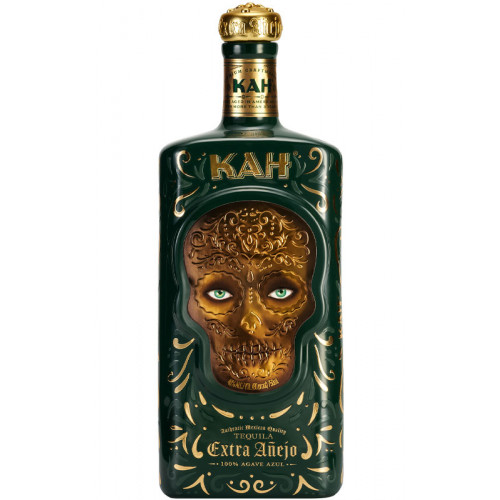
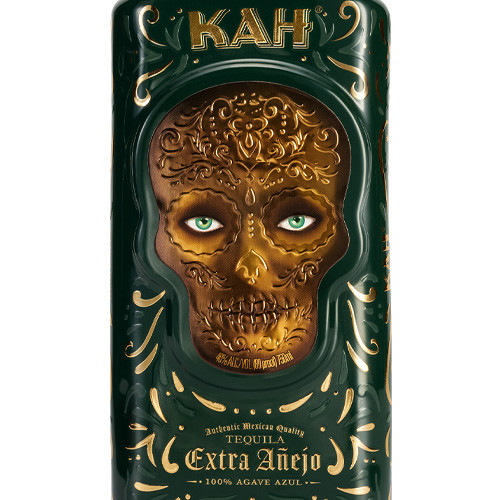
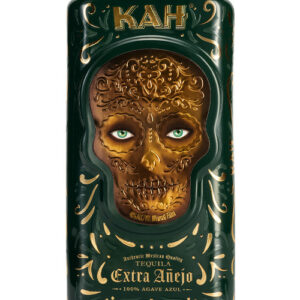
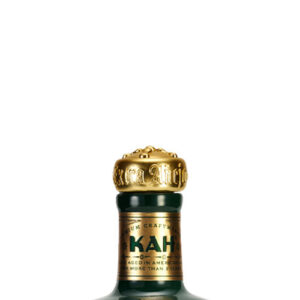
| Bottle Design / Packaging | Clay bottle with royal green enamel, inspired by Mayan symbolism of eternity and fruitfulness. The skull design (calavera) with phosphorous ink that glows in the dark. (The Spirits Business) |
| Availability | Globally, but launched more recently in many markets including the US (late 2021 or early 2022). (BevNET) |
Tasting Profile & Sensory Journey
Here’s what people (brand, retailers, reviewers, consumers) report about how KAH Extra Añejo tastes — its nose, palate, and finish. Tasting is subjective, but this aggregates common observations.
Appearance / Color
- The tequila is promoted as having a rich golden tone, reflecting its age & oak exposure. The bottle’s royal green enamel hides the liquid somewhat, but when poured the color is deeper amber / gold. (The Spirits Business)
Aroma / Nose
From Tequila Matchmaker and other sources:
- Strong oak, vanilla, caramel. (Tequila Matchmaker)
- Cooked agave, with hints of pepper (black pepper), smoky wood. (Tequila Matchmaker)
- Sweet spices, sometimes toffee or maple. (Amber Beverages)
Palate / Flavor
- On tasting, you’ll often detect smoky wood and smooth pepper up front. The oak influence is present but (according to many) balanced so as not to totally suppress the agave flavor. (kah-tequila)
- Vanilla, honey, maple, caramel are often cited as flavor companions. (kah-tequila)
- Some warmth, spice etc. The oak provides depth, sometimes a bit of roasted wood or char. (Amber Beverages)
Finish
- The finish is described as smooth, letting sweet oak / wood linger along with vanilla and caramel. (kah-tequila)
- Also some pepper or spice in the aftertaste (though not too harsh). Most say it finishes warm but refined. (Tequila Matchmaker)
“People Also Ask” Style FAQs
Here are many of the questions people often search or ask about KAH Extra Añejo Tequila, with answers (and caveats).
1. What is KAH Extra Añejo Tequila?
Answer:
It is the high‑end aged expression from the KAH Tequila range. Certified 100% Blue Weber agave, produced in Jalisco, Mexico by Fábrica de Tequilas Finos, aged in American white oak barrels for a minimum of three years (some batches more), bottled at 40% ABV. It is positioned as a super‑premium or ultra‑premium tequila. The packaging is designer/artistic (skull bottle, enamel, glow‑in‑the‑dark ink) to match its status. (Amber Beverages)
2. How long is KAH Extra Añejo aged?
Answer:
At least three years in American oak barrels. Some sources say up to 4.5 years for some editions/releases. (Wine Bros)
3. What is the ABV of KAH Extra Añejo?
Answer:
40% alcohol by volume (80 proof). (kah-tequila)
4. What are the tasting notes of KAH Extra Añejo?
Answer:
Commonly reported notes include:
- Nose: oak, vanilla, smoky wood, cooked agave, pepper, sweet spice. (Tequila Matchmaker)
- Flavor / Palate: smoky wood, pepper, vanilla, honey, maple, caramel; sometimes roasted wood or char; balanced oak and agave. (Amber Beverages)
- Finish: smooth, warm, lingering oak and vanilla, with some spice. (Amber Beverages)
5. What is the barrel type used for aging KAH Extra Añejo?
Answer:
American white oak barrels. The oak is toasted or charred (implicitly, since American oak barrels for spirits generally have char) to impart wood, vanilla, caramel, etc. (Distiller – The Liquor Expert)
6. Where is KAH Extra Añejo produced?
Answer:
In Jalisco, Mexico, by Fábrica de Tequilas Finos, NOM 1472. The agave comes from Jalisco (Los Valles). (Tequila Matchmaker)
7. How much does KAH Extra Añejo cost / is it expensive?
Answer:
It is positioned as premium / ultra‑premium, so it is more expensive than mainstream tequilas. Exact price depends heavily on market (taxes, import costs, retailer). Many listings suggest it commands a high price in the ~$100‑$200+ range for a 750ml bottle, depending on region and availability. (Tequila.net)
8. Is the bottle design important / what is special about the packaging?
Answer:
Yes, very much so. KAH Extra Añejo stands out for its design:
- Clay bottle with royal green enamel. (Amber Beverages)
- Skull (“calavera”) imagery consistent with Día de los Muertos / Mexican cultural elements. The label uses phosphorescent ink so certain parts glow in the dark (e.g., the eyes in the skull). (Amber Beverages)
- Decorative, collector appeal: the design and craftsmanship are part of the value proposition. It’s not just liquid; the bottle is meant to be art. (Distiller – The Liquor Expert)
9. How is KAH Extra Añejo Tequila different from KAH Añejo or Reposado?
Answer:
| Expression | Minimum Aging | Flavor / Oak Influence | Usage / Positioning |
|---|---|---|---|
| Reposado | months (often <1 year) | lighter oak, more fresh agave flavor, caramel/vanilla lightly present | more accessible, lighter sipping or mixing |
| Añejo | at least 1 year in barrel | more oak, more interplay of oak and agave, possibly notes like coffee, tobacco, chocolate (depending on aging) | deeper sipping, richer profile |
| Extra Añejo (this one) | ≥3 years (in many cases ~3‑4.5 years) | pronounced oak, more complexity: vanilla, smoky wood, sweet spice, mellowed agave, longer finish | high‑end sipping, luxury focus, collector bottles |
So KAH Extra Añejo is richer, longer‑aged, more oak influence, deeper complexity, and more expensive / premium than the lower categories. (The Spirits Business)
10. Is KAH Extra Añejo worth buying? What are its strengths & weaknesses?
Answer:
Strengths:
- Strong flavor complexity: oak, vanilla, spice, caramel etc. Many appreciate how the agave is still noticeable even after long aging. (Amber Beverages)
- Attractive packaging; collectible appeal. For those who like bottles with design, the packaging adds value. (Amber Beverages)
- Smooth finish, good craftsmanship, well made. Many reviews are positive. (Distiller – The Liquor Expert)
Weaknesses / considerations:
- Price is high, so value depends on whether the extra oak / age / packaging match what you like in flavor. If you prefer heavy agave, light oak, or cheaper tequilas, this may not be ideal.
- Some may find oak or wood or char too dominant; or that sweetness from oak overrides agave flavor.
- Because of the marketing / design, part of what you’re paying for is the “luxury” or “art” side — if you are purely about liquid, other tequilas may offer similar or better flavor per dollar.
Market & Reception
- Launch & Growth: The Extra Añejo is part of KAH’s push to enter the ultra‑premium tequila segment. It debuted globally in or around 2022, with focus on the US market, which is receptive to premium / high‑end spirits. (The Spirits Business)
- Consumer Reception: Reviews via Tequila Matchmaker and TEQUILA.net are largely positive. Users note richness, smoothness, good aging. Some criticism in forums (as noted above) is about oak dominance or high price relative to enjoyment. (Tequila Matchmaker)
- Awards / Recognition: The product has been highlighted in “Spirits Business”, etc., and is marketed as representing “evolution” in the portfolio. Whether many awards have been won by specific batches might vary. (The Spirits Business)
In‑depth Look: Production Choices & Their Effects
To appreciate how KAH Extra Añejo tastes and how it compares, it helps to understand how its production choices influence the final spirit.
- Aging time (3‑4.5 years): Allows for development of oak character (vanilla, caramel, smoky wood) but also more interaction with air in barrel (oxidation), which softens harsher notes from distillation and allows more flavor maturation. However, too long can lead to loss of agave character; KAH seems to aim for balance.
- Barrel type (American white oak): American oak tends to impart vanilla, coconut, sweet spice, often more char‐induced flavors than some European oak. The sweet caramel/vanilla notes people mention are consistent with this. The smoky wood and peppery notes may come from char/seasoning of the barrels and oak compounds.
- Agave type & region: Blue Weber agave from Jalisco (Los Valles) is typical and yields a flavor profile that supports both sweetness and vegetal/agave character. KAH’s production seems standard: autoclave cooking, roller mill extraction, stainless tanks, double distillation. These are efficient, modern methods. These methods tend to produce clean tequila, sometimes lighter on rustic/agave terroir extremes (versus brick oven + tahona milling etc.), but often more consistent. If you like agave intensity, method matters; if you want balance and smoothness, modern methods are acceptable.
- ABV level / proof (40%): This is fairly standard for many premium tequilas. It allows for balance, enough potency for flavor, not too harsh. Some drinkers prefer higher proof (45–50+%) for extra strength and more noticeable character, but 40% is lower barrier, smoother.
- Packaging & brand story: While not affecting flavor, the design, art, bottle shape, glow‑in‑the‑dark features, etc., contribute to perceived value, collector appeal, gift potential, etc. They also allow the tequila to stand out on shelves. For many premium tequilas, that matters.
Comparative Notes: How It Stands vs Similar Extra Añejo Tequilas
- Compared to other Extra Añejo tequilas in this price / prestige range (for example, well‑known brands that age 3+ years, good oak influence, good bottle design), KAH Extra Añejo is competitive in flavor, especially if you like oak/vanilla/caramel notes with some smoky/wood flavor and smooth finish.
- Some other Extra Añejo bottles may use more traditional methods (brick oven, tahona, more complex aging barrels), which may deliver more agave terroir or more rustic or vegetal notes. If you prefer those, you may find those alternative Extra Añejo tequilas more to your taste.
- Price per flavor: KAH might cost more because of packaging and branding. If you discount the packaging a bit, some tequilas may offer more “liquid‐for‐dollar” if one shops around. But if you value the presentation, the story, etc., KAH gives you more than just the tequila.
Strengths & Weaknesses
Here is a summary of what makes KAH Extra Añejo strong, and what limitations / trade-offs to be aware of.
Strengths:
- High aging and complexity — multiple years in barrel gives depth, richness in flavor.
- Solid flavor profile — vanilla, caramel, smoky wood, sweet spice, etc. Many drinkers with sweet or oak‑forward palates will enjoy.
- Smoothness — for many reviewers, the finish is well‑integrated, not harsh; the oak isn’t overpowering.
- Artistic packaging and brand story — adds intangible value (for gifting, collectors, display). The glow‑in‑dark skull bottle, enamel, etc., are eye‑catching.
- Reputable producer — NOM, agave sources, etc. Many of the production specifications are transparent.
Weaknesses / Things to Watch:
- Price premium — you pay for age and packaging, so price is high. Not everyone may feel the extra cost is justified by the extra complexity.
- Oak / wood dominance risk — in some tasting notes, people find the oak or smoky wood or char edges toward the foreground, possibly eclipsing the agave for those who prefer vegetal or pure agave flavors.
- Standard methods — uses autoclave, roller mills, stainless steel etc., which are efficient and clean but may deliver less “characterful” or terroir‑rich profile than more artisanal methods. If that’s your preference, KAH may feel less “unique” in that sense.
- Lower proof (40%) — for those who like higher ABV, more punch, more nuanced flavors that stand up to water or ice, 40% may feel lighter.
Frequently Asked Questions (More “People Also Ask”)
Here are further FAQs that people often search, along with answers including caveats.
- Is KAH Extra Añejo certified organic / Kosher?
Some sources for earlier KAH expressions mention certifications such as organic or Kosher. I did not find a definitive, reliable statement that this specific Extra Añejo is certified organic or Kosher. Always check the bottle label for such certifications. (Tequila.net) - Where to buy KAH Extra Añejo / in which markets is it available?
It is available in many global markets, especially the US. Amber Beverage Group has distributed it in multiple states via partners. (BevNET) However, in some places supply is limited, pricing high; availability depends on local liquor laws and importers. - What is the NOM number for KAH Tequila?
The NOM is 1472. (Tequila Matchmaker) - Is KAH Extra Añejo worth having in a collection or for gifts?
Yes, for many people. Because of its distinctive design (skull bottle, artwork, glow in dark, enamel), good aging, and super‑premium positioning, it makes for a memorable gift or display item. If the recipient likes fine tequilas or visuals, it will likely be appreciated. - How should KAH Extra Añejo be enjoyed? Neat, ice, water?
Best enjoyed neat (no ice, no dilution) to taste all the nuances of aging and oak. Slight room temperature helps. A small splash of water might open up more aroma for some, but might also smooth out edge. Ice will mellow but may mute subtleties. - Does the packaging glow in the dark?
Yes. The label uses phosphorus ink that causes parts of the design (e.g. skull’s eyes) to glow in the dark. The bottle has royal green enamel. (Wine Bros) - Does KAH Extra Añejo use small barrels or special barrels?
The information says American white oak barrels are used. The size is not always specified, but nothing suggests they are using extremely small barrels (which impart stronger wood per volume). The aging time is considerable. Barrel char / toast levels are not always detailed in public sources. - What are criticisms / negative feedback from users?
Some users feel the oak is a bit too assertive; some feel the price is high relative to taste; some prefer other expressions that maintain more agave character. But overall feedback is more positive than negative in many reviews.
Comparison with Other Extra Añejo Tequilas
To help you decide, here are how some aspects of KAH Extra Añejo compare with other Extra Añejo tequilas you might consider.
| Feature | KAH Extra Añejo | Other typical Extra Añejo (premium brands) |
|---|---|---|
| Aging length | ~3‑4.5 years | Many are aged 3‑5+ years; some go much longer |
| Oak influence | Pronounced; vanilla/caramel/spice/wood | Varies; some have more subtle oak, some very heavy oak depending on barrel char / reuse / size |
| Agave flavor visibility | Many reviewers say agave remains noticeable | Some Extra Añejo lose more of agave taste behind oak/aging; depends on production |
| Proof / ABV | 40% | Some are 40%, others are higher (45‑50+%) especially for limited or small batch batches |
| Packaging / Collectible Factor | High; artistically designed bottles, glow in dark, enamel, skull theme | Varies; many premium brands also have fancy packaging but some are more understated or focus more on liquid than art |
| Value Per Cost | Good for those who like sweet oak and decorative bottles; expensive for casual drinking | Other premium Extra Añejos might offer more raw flavor per cost, but packaging may be less showy |
Strengths & Weaknesses (Recap)
Strengths:
- Age and complexity: multiple years in oak give depth.
- Balanced flavor: oak, vanilla, sweet spices, caramel, smoky wood, pepper.
- Presentation: artistic, collectible, stands out.
- Smooth finish and sophistication: good craftsmanship in blending aged tequila & oak.
Weaknesses / Trade‑offs:
- Price is high; for some, value may not match cost.
- Oak can dominate for those who prefer more agave freshness.
- 40% ABV is moderate; some may prefer higher proof for mouthfeel or dilution.
- Some methods are modern and efficient, which some purists view as “less characterful.”
Conclusion
KAH Extra Añejo Tequila is a thoughtfully made, premium aged tequila that seeks to balance the luxurious experience (both liquid and packaging) with respect for the core elements of tequila: the agave, aging, barrel, and craftsmanship. If you enjoy tequila that’s rich with oak, vanilla, caramel, smoky wood, with just enough agave presence, then KAH Extra Añejo is likely to bring satisfaction. If you also value visual presentation, collectibility, well‑designed bottles, then it delivers extra value beyond just flavor.
Whether it is “worth it” depends on what you want:
- If you’re buying purely for liquid and flavor and want the maximum agave intensity, or you want more rustic/agave‑heavy expressions, there may be other Extra Añejo tequilas that offer more for less.
- If you want a showpiece bottle, rich aged flavors, something special for sipping or gifting, KAH Extra Añejo is a strong contender and often delivers good returns for what you pay.

The Sassenach Blended Scotch Whisky
Old Weller Antique 107 Original Wheated Straight Bourbon 


Reviews
There are no reviews yet.