Clase Azul Gold Tequila


Clase Azul Gold — In‑Depth Profile, FAQ & Conclusion
Introduction
Clase Azul Gold is one of the more striking and talked‑about tequila expressions from the Mexican distillery Clase Azul. It stands out for its distinctive golden hue, luxurious handcrafted decanter, and its blending of young and aged tequilas. Many drinkers and collectors appreciate Gold not only for what’s inside the bottle but also for the artistry and statement the bottle itself makes.
In this article, we explore in detail what makes Clase Azul Gold unique — its origins, production method, tasting profile, recommended pairings, price/availability, and what people often ask about when searching online. We provide images, answers to common questions (“People also ask”), and conclude with a balanced view of its strengths and criticisms.
What is Clase Azul Gold — Origins, Composition & Bottle
🍃 Origins, Agave & Producer
- Clase Azul is based in Jalisco, Mexico, a region famed for tequila production. Their agave — the blue Weber agave — is grown in the highlands of Jalisco, under conditions considered favorable for high‑quality tequila. (Excellence Rum)
- The distillery emphasizes artisanal production, combining traditional methods (agave harvesting, cooking, double distillation) with premium cask aging and meticulous blending. (Kent Street Cellars)
🧪 Composition: A Blend of Styles
Unlike a standard blanco (unaged) or a single‑barrel añejo, Clase Azul Gold is a blend:
- It combines the unaged “Plata” tequila from Clase Azul,
- a reposado matured in French oak barrels,
- and an Extra Añejo finished in Pedro Ximénez (PX) sherry casks. (Clase Azul México)
This blending of young (unaged), medium‑aged, and long‑aged tequila allows the spirit to balance freshness, agave character, and the depth and complexity from wood and cask aging. (Kent Street Cellars)
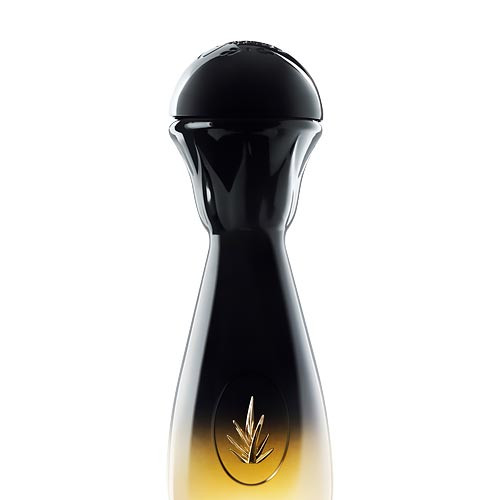
🏺 The Decanter: Artistry & Design
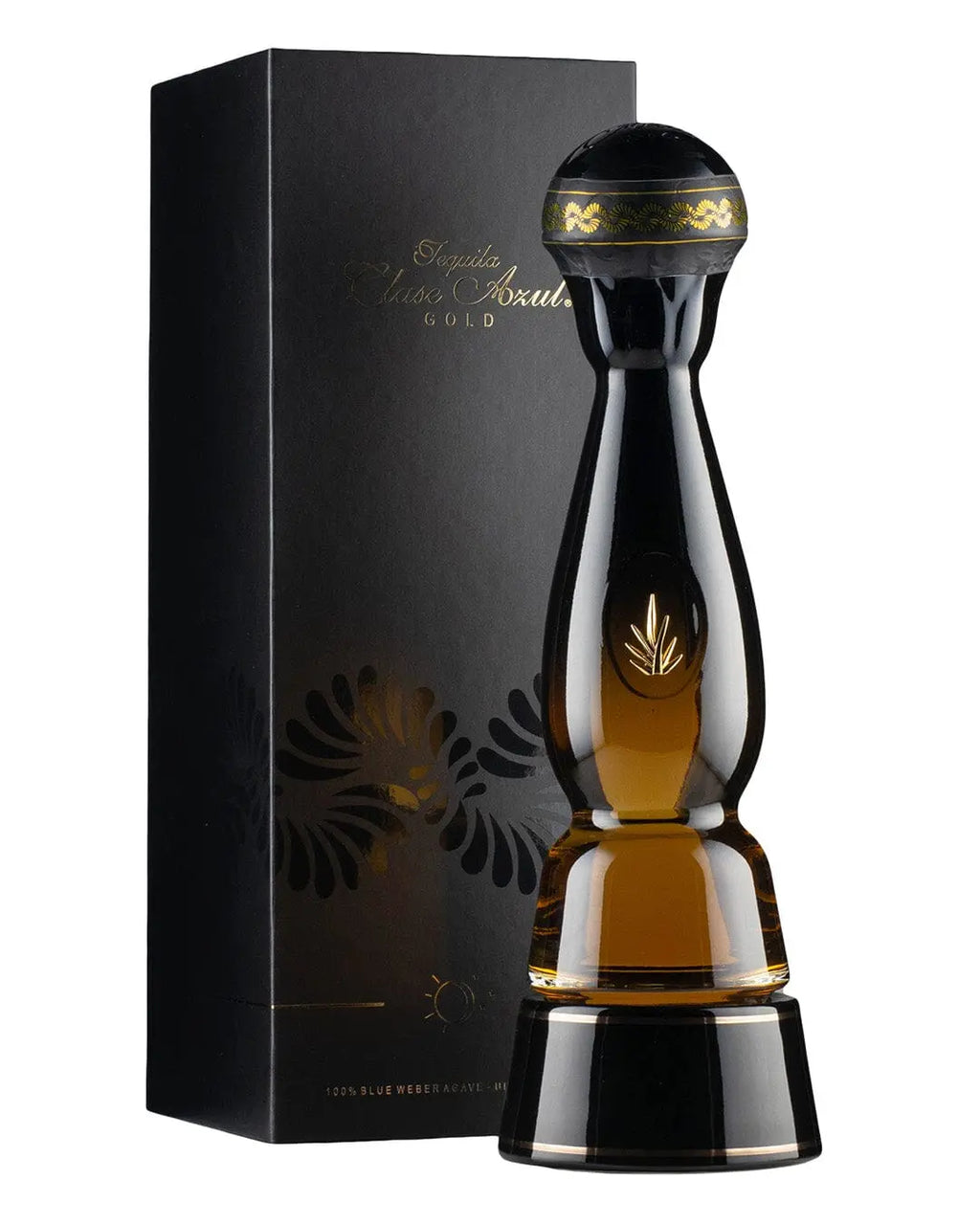
One of the signature features of Clase Azul Gold is its bottle — a decanter that is part of the overall experience:
- The decanter is ceramic/glass and features a two-tone design: a darker base transitioning toward a golden top — evoking the glow of a sunset, the inspiration behind “Gold.” (Premium Tequila)
- The base is adorned with two 24-karat gold ribbons, hand-painted, making each bottle a unique art object. (Clase Azul México)
- This attention to design positions the bottle not only as a container but as a collectible — often purchased for aesthetic appeal as much as for its contents. (Kent Street Cellars)
In other words: Clase Azul Gold is as much about visual and cultural statement — a tribute to Mexican heritage, craftsmanship, and luxury — as it is about tequila itself. (Kent Street Cellars)
Tasting Profile — What to Expect from Clase Azul Gold
Of course, beyond the bottle, what matters most is what’s inside. Here’s how Clase Azul Gold typically presents itself — flavor, aroma, body — and how to enjoy it.
🌈 Appearance
- Color: Rich golden to amber with brilliant highlights and a warm glow — reflective of the “sunset gold” inspiration. (Clase Azul México)
- Body: Medium — neither too light like a blanco nor as heavy as a deeply aged extra‑añejo. (Clase Azul México)
👃 Aroma (Nose)
Common tasting notes — what you notice when you first smell the tequila — include:
- Agave nectar (sweet, lightly vegetal), reflecting its 100% blue agave roots. (Whisky.my)
- Citrus peel / orange zest and green apple or fresh fruitiness — giving a lively, fresh note. (The Whisky Exchange)
- Dried fruits: figs, raisins — adding depth and a sense of maturity. (The Whisky Exchange)
- Nuts & wood: almonds, walnuts, toasted oak — from the barrel aging. (The Whisky Exchange)
Overall, the nose is described by many as harmonious: sweet agave fruitiness balanced by wood, light oak spice, nutty/dried‑fruit depth, and a gentle citrus brightness. (TheLiquorStore.com)
👅 Palate (Taste) & Finish
On the palate — when you take a sip — the experience evolves:
- Entry / Initial Taste: Smooth, silky, with cooked‑agave sweetness, gentle honey or agave‑syrup notes, and vanilla or caramel from the barrels. (TheLiquorStore.com)
- Mid‑palate: Layers of complexity — dried figs or fig marmalade, raisin or dried fruit, toasted nuts or almonds, subtle chocolate or cocoa undertones, sometimes earthy or lightly spicy notes (e.g. ginger or mild spice, depending on batch). (Clase Azul México)
- Finish: Long and mellow. The finish is described as warm, slightly sweet, with wood, dark chocolate, fig or plum, and lingering agave. Some tasters note a slight olive‑like or herbal undertone, adding intrigue. (The Whisky Exchange)
🍽️ Serving & Pairing Suggestions
Because of its balance — between freshness and maturity — and its smooth yet layered profile, Clase Azul Gold can be enjoyed in different ways:
- Neat / Sipping: Best enjoyed neat, at room temperature or slightly chilled (many recommend a crystal glass), to fully appreciate its aromas and evolving palate. (TheLiquorStore.com)
- Food Pairings: According to the producer and retailers:
- Soft cheeses (e.g. brie) pair nicely — the creaminess complements the agave sweetness and light woodiness. (Clase Azul México)
- Fruits: citrus (tangerine, lemon) or lightly acidic fruits — to accentuate the fresh fruit and citrus notes. (Clase Azul México)
- Chocolate (semi‑bitter or white) — to match with the cocoa / dark‑chocolate notes in finish. (Clase Azul México)
- Some sources mention seafood or fatty fish / shellfish (e.g. salmon, shrimp, octopus, lobster) — especially when cooked with butter or lemon — though this is less standard and seems more experimental. (Spirits of France)
- Cocktails: While many consider Gold best sipped, its smoothness and complexity also make it a candidate for premium cocktails — though using it in mixing risks masking subtle notes. (Kent Street Cellars)
Price, Availability & Positioning
- Clase Azul Gold is marketed as a luxury / premium tequila — partly because of its blend of tequilas (young + aged), but also because of its artisanal bottle and the brand’s prestige. (Kent Street Cellars)
- Bottles are usually 70–75 cl with an alcohol content of 40% ABV (80 proof). (Whisky.my)
- Given the premium positioning and handcrafted decanters, the price tends to be significantly higher than standard tequilas. For instance, some European retailers list Clase Azul Gold around €459–€500 per 70cl. (Garrafeira Nacional)
- Because of its presentation and limited/boutique production, availability may vary, and in some markets it may be sold out or available mainly via specialty retailers. (Kent Street Cellars)
In sum: Clase Azul Gold occupies a niche between a high‑end sipping tequila and a collectible luxury item — appealing to those who value both flavor and presentation.
🧭 People Also Ask — FAQ about Clase Azul Gold
Below are common Google “People also ask” questions regarding Clase Azul Gold, along with concise answers based on available information.
1. What is Clase Azul Gold — is it 100% agave or a mixto?
Clase Azul Gold is made from 100% blue Weber agave, per the producer’s information. (Delicando)
Because it uses 100% agave (and not added sugar or cane spirit), it qualifies as a “puro de agave,” unlike “mixto” tequilas that mix agave with other sugars. (Licorea)
2. What type of tequila is Clase Azul Gold?
Technically, Clase Azul Gold is a “joven” (young) tequila — but with a twist: it’s a blend of unaged (Plata), reposado, and extra‑añejo (aged) tequilas. (Clase Azul México)
That means you get a mix of freshness (from the Plata), some oak/maturation character (from the reposado), and depth/complexity (from the Extra Añejo) — all in one bottle. (Kent Street Cellars)
3. What flavor / aroma profile does Clase Azul Gold have?
- Aroma: Sweet agave, citrus (orange peel), fruit (green apple, fig, raisin), nuts (almond, walnut), toasted wood. (The Whisky Exchange)
- Taste / Palate: Smooth, silky entry; honey or agave‑syrup sweetness; caramel or vanilla; dried fruit (fig, raisin), nutty undertones, toasted oak, sometimes chocolate or cocoa; a warm, balanced finish. (Whisky.my)
- Finish: Long, elegant, with lingering sweet‑oak and dried‑fruit notes, sometimes a hint of spice or earthy undertone. (The Whisky Exchange)
4. How should I drink / serve Clase Azul Gold?
Best enjoyed neat (i.e. without mixers) in a quality glass (e.g. a snifter, tumbler or crystal glass), maybe slightly chilled or at room temperature to preserve aroma and flavor. (TheLiquorStore.com)
It also pairs well with certain foods — soft cheese (like Brie), citrus fruits, dried fruit, chocolate (especially bittersweet or white), and even more adventurous pairings like seafood or rich dishes depending on taste preference. (Clase Azul México)
5. Why is Clase Azul Gold so expensive / premium?
There are several reasons behind its premium status and higher price point:
- Use of 100% blue Weber agave and quality production methods (slow cooking, double distillation, cask aging). (Excellence Rum)
- The blending of different aged tequilas (Plata + Reposado + Extra Añejo) – this complexity in production adds value. (Clase Azul México)
- The handcrafted decanter — ceramic/glass bottle, with hand‑painted 24‑karat gold ribbons, which makes each bottle a work of art, collectible and display-worthy. (Clase Azul México)
- Its positioning as a luxury/premium item — often marketed not just as a drink but as an experience, a tribute to Mexican culture, designed for special occasions. (Kent Street Cellars)
6. Is Clase Azul Gold worth buying — is it more for show or is it genuinely good tequila?
It depends on what you value:
- If you appreciate balance — a mix of agave freshness and aged complexity, enjoy sipping tequila neat, and value presentation, craftsmanship, and the “luxury” feel, then Clase Azul Gold offers a compelling package.
- If you prioritize pure, unaltered agave expression (less cask influence, more raw agave character) — or you want high‑value tequila for cocktails — you might find other tequilas more straightforward and “authentic.”
Because Gold blends different styles and is aged/finished in casks, its character leans toward refined, smooth, and multi‑layered, which is often more “barrel-forward” than “agave-forward.” So it’s best for sipping, savoring, and special occasions.
✨ Why Clase Azul Gold Is Celebrated (And Criticized)
✅ Strengths & What It Does Well
- Balanced complexity — thanks to blending young, reposado, and extra‑añejo tequilas, Gold achieves a balance between agave freshness and barrel‑derived depth; this can appeal to both newcomers and experienced drinkers who enjoy layered flavors.
- Smoothness and drinkability — the texture tends to be silky and gentle, making it accessible and easy to enjoy neat.
- Aesthetic + collectible appeal — the handcrafted decanter, gold ribbons, ceramic/glass design — make the bottle itself an art object; many buyers see it not just as a bottle of tequila but as a centerpiece, gift, or collectible.
- Versatility in enjoyment — works as a sipping tequila, a celebratory drink, or even a high‑end gift; offers flexible pairing options with food or chocolate, enhancing its use-case.
- Heritage & branding — product of a respected Mexican distillery, with transparent references to agave origin, production method, and an emphasis on tradition and artistry.
⚠️ Common Criticisms & Considerations
- Blend vs. purity debate: Because Gold is a blend (young + aged tequilas), some tequila purists argue it sacrifices the pure, raw agave expression typical of blanco / 100% agave tequila made without barrel influence. For such drinkers, the wood/spice/dried‑fruit character may mask the agave’s natural profile.
- Price vs. value: The high price partly reflects packaging, brand, and presentation — some critics argue that the liquid inside may not justify the premium compared to other high‑quality, well‑crafted tequilas, especially if one isn’t invested in the bottle’s aesthetic or collectible nature.
- Not ideal for mixing or cocktails: Because of its nuanced flavor profile, using Gold in cocktails — especially strong or complex ones — may mask many of its subtleties; many recommend sipping it neat.
- Subjective taste: The blend-heavy profile means the tequila skews more “barrel-forward,” which may not appeal to those who prefer fresher, more herbal, or agave‑driven tequilas.
Conclusion — Is Clase Azul Gold Worth It?
Clase Azul Gold is arguably one of the most ambitious and thoughtfully crafted offerings from Clase Azul. It’s not just tequila: it’s a statement — combining Mexico’s agave heritage, barrel-aging craftsmanship, and ceramic artistry in a single package.
If you approach Clase Azul Gold as a sipping tequila, a ceremonial drink, or a gift/collectible, it delivers strongly: its smoothness, balance, and aromatic complexity — alongside a stunning decanter — make it a compelling choice. For special occasions, quiet evenings, or sharing with friends who appreciate fine spirits, Gold offers an experience beyond the ordinary.
However — if your goal is to find the most “authentic” agave‑forward tequila, or a good value-to-liquid quality ratio, you might prefer exploring single‑expression blanco, reposado, or añejo tequilas. The premium price and blend approach mean that Gold excels as a luxury, celebratory tequila — but perhaps not as a daily go-to.
My verdict: Clase Azul Gold is worth it — but mostly for those who appreciate craftsmanship, flavor complexity, and presentation. If you treat it as what it is — a luxury statement tequila — rather than simply “liquid in a bottle,” you’ll likely enjoy it more.
If you like, I can pull up 5–10 alternative tequilas with a similar flavor profile but lower price (i.e. “value tequilas”) — good for sipping or mixing.
Do you want me to build that list for you now?

Howler Head Kentucky Straight Banana Bourbon Whiskey 


Reviews
There are no reviews yet.