
SHOP ALL

RARE BOURBON

RARE SCOTCH

LIMITED EDITIONS

1792-COLLECTION




$52.99

Tequila has long transcended its image as just a party shot. From sipping neat to mixing high‑end cocktails, premium tequilas are now taken seriously by aficionados. Among them, Casamigos Reposado enjoys considerable popularity—and curiosity. In this article we’ll provide a detailed exploration of Casamigos Reposado: its origin, production process, tasting profile, ways to enjoy it, pricing and availability, how it compares to other tequilas—and we’ll also address many of the “People Also Ask” questions that show up on Google. By the end you should have a well‑rounded view of this spirit and whether it merits a place in your home bar.
Casamigos was founded by actor George Clooney, nightlife entrepreneur Rande Gerber, and property developer Mike Meldman. The idea started as a private label tequila they created for their own personal use—something they enjoyed while staying at homes in Mexico and sharing with friends. One article states:
“After trying tequilas the world over and finding that none conformed to their ideal, the pair hatched an idea to develop a ‘warm, rich tequila whose taste we didn’t have to cover up with salt or lime.’” (Vanity Fair)
The name “Casamigos” is a combination of the Spanish casa (house) + amigos (friends) — essentially “house of friends” or “friends’ house.” (Reddit)
In 2017 the brand was acquired by the spirits giant Diageo for up to US $1 billion (paid in stages) in recognition of its rapid growth and potential. (Architectural Digest)
Casamigos offers three core tequilas: Blanco (unaged), Reposado (aged), and Añejo (longer‑aged). Our focus here is on the Reposado—often viewed as the flagship aged expression of the brand.
Below are several frequently‑asked questions (including those typically appearing in Google’s “People also ask”) about Casamigos Reposado, with answers.
Answer:
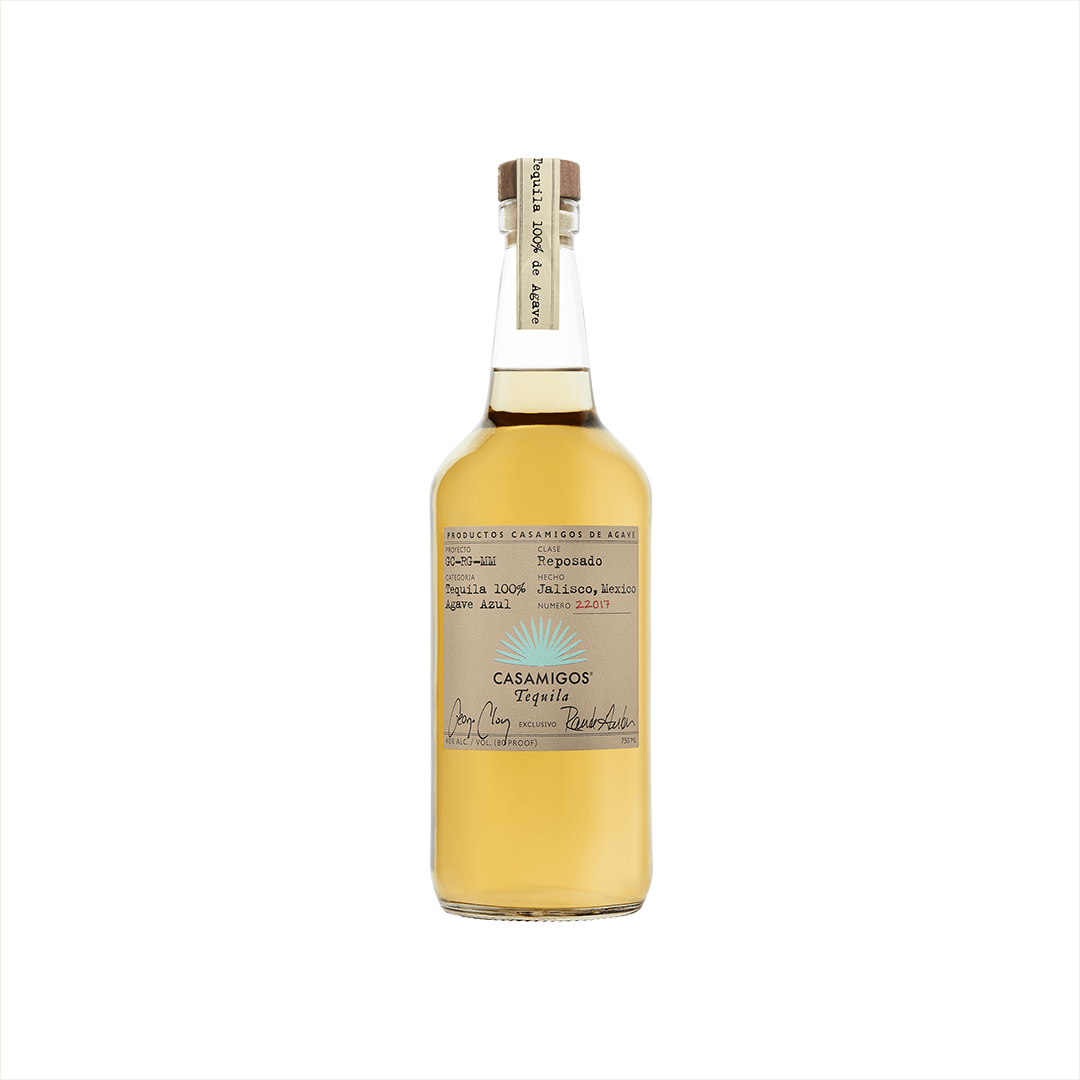
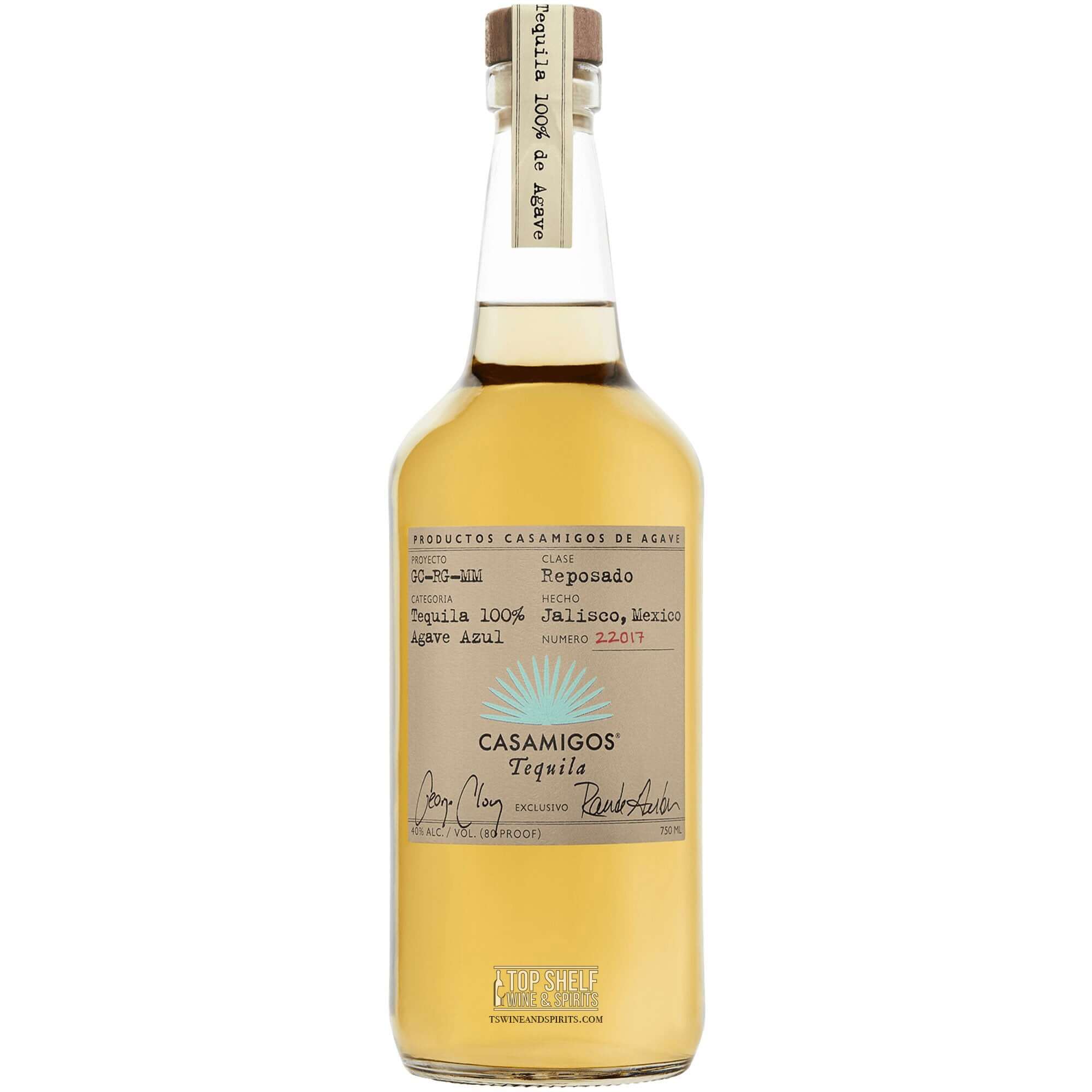
Casamigos Reposado is an aged tequila product from the Casamigos brand, made from 100% Blue Weber agave, roasted in traditional ovens, fermented slowly, distilled and then aged for around seven months in American white oak barrels. It is bottled at 40% ABV and marketed as a smooth, premium sipping tequila. (Diageo Bar Academy)
Answer:
It is aged for approximately seven months. Some market sources specify “aged for seven months in American white oak barrels.” (WhiskyBrother)
Answer:
Taste‑wise, it has caramel and vanilla notes on the nose, with hints of cocoa. On the palate you’ll find dried fruits, sweet agave, oak spice, mild heat; the texture is smooth and the finish is medium‑to‑long and clean. (Whisky)
Answer:
Yes. One of the brand’s aims was to create a tequila good enough to be enjoyed neat (without needing salt/lime). The smoothness and flavour profile make it suitable for sipping neat or on the rocks. Many reviewers note its easy drinkability.
Answer:
Answer:
Commonly available bottles are 750 mL at 40% ABV (80 proof). Larger formats such as 1.75 L may also be available. The ABV is consistently 40% for main markets. (Whisky)
Answer:
“Worth” is subjective, but many consumers find it offers a smooth, polished tequila experience. However, some tequila aficionados critique that it’s less agave‑forward, more wood/vanilla/sweet influenced, and may be priced at a premium relative to value. Reddit threads note that while many enjoy it, more experienced agave spirit fans prefer more “traditional” expressions.
“Casamigos is probably perfectly fine… but unless you are serving to people experienced in tequila they may enjoy it more than something more agave‐forward.” (Reddit)
So it depends on your palate, budget and expectations.
Answer:
Because it’s smooth and flavourful, it works well both neat and in cocktails. Some suggested serves:
Answer:
In Jalisco, Mexico. The agave is grown in the highlands of Jalisco in rich clay soil, the piñas cooked in brick ovens, fermented and distilled in Mexico. The brand is imported by Casamigos Spirits Co., LLC (based in White Plains NY) for the U.S. market. (Casamigos)
Answer:
The brand enjoys high visibility and celebrity association (George Clooney etc) and strong consumer awareness. However, it has also faced scrutiny: in 2025, a class‑action lawsuit alleges that Casamigos (and another brand) misled consumers by claiming “100% Blue Weber agave” tequila while allegedly using cane sugar alcohol. The parent company and brand deny any wrongdoing. (Food & Wine)
So while not universally contested, there is some controversy and consumers may want to weigh brand / value / transparency alongside tasting preferences.
Note: Import duties, local taxes, and currency fluctuations significantly affect final price in markets such as Cameroon or Africa more broadly, so local sourcing may vary widely.
Here are some tips for getting the best experience from Casamigos Reposado.
“Casamigos is probably perfectly fine, its an additive heavy tequila that a lot of people would call ‘smooth.’” (Reddit)
| Feature | Casamigos Reposado | Typical Craft/Artisan Reposado |
|---|---|---|
| Ageing Duration | ~7 months (Bien Manger) | Often 8–12 months or more |
| Flavor Profile | Sweet‑vanilla‑caramel‑oak, smooth finish | More agave, minerality, vegetal, oak/spice balance |
| Price Tier | Premium, celebrity branding | Varies – some high‑end, some mid‑tier great value |
| Brand Story | High‑visibility, celebrity‑backed | Often niche, craft, small batch |
| Best For | Sippers who want accessibility and brand recognition | Tequila aficionados seeking traditional/complex profile |
If you’re comparing:
In summary, Casamigos Reposado stands out as a polished, smooth, premium‑branded tequila designed for sipping and enjoyment. Its production—from 100% Blue Weber agave, slow cooking/fermentation, barrel ageing—aligns with many hallmarks of quality. The result is a golden‑hued spirit with caramel, cocoa, vanilla, oak and sweet agave notes, offering a welcoming and refined drink.
For the casual drinker or social setting, it’s an excellent choice: recognisable, smooth, versatile in cocktails and on the rocks. For the tequila enthusiast seeking depth of terroir, minimal additives, and the boldest agave character, it may feel less adventurous or slightly “sweet/vanilla‑forward” compared to craft alternatives.
If you’re considering purchasing it (especially in Cameroon or West Africa), keep in mind import costs, local availability, and current price relative to your budget. Also, consider how you intend to drink it: as a sipping bottle to share with friends, or as a premium ingredient for cocktails.
Ultimately, whether Casamigos Reposado is “worth it” depends on your palate, expectations, and occasion. If you decide to try it, approach it neat first: give it a swirl, breathe in the caramel/vanilla notes, sip slowly. Then you can explore it on the rocks or in a refined Margarita and see how it holds up for you.
Bottom Line: A very good tequila for many drinkers — smooth, well‑made, but not necessarily the most complex or agave‑driven reposado on the market. If you value approachability and brand, it delivers. If you value bold agave expression over polish, try it side‑by‑side with a craft reposado and compare for yourself.


Reviews
There are no reviews yet.