


-
×
 Clase Azul Día de Muertos Colores 2022 Edition Tequila
1 × $3,554.99
Clase Azul Día de Muertos Colores 2022 Edition Tequila
1 × $3,554.99
Subtotal: $3,554.99


$48.99
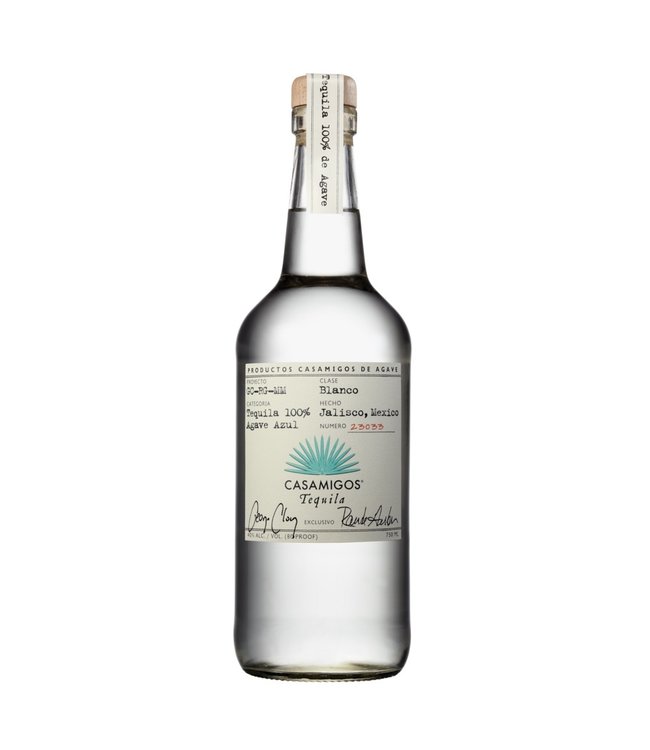
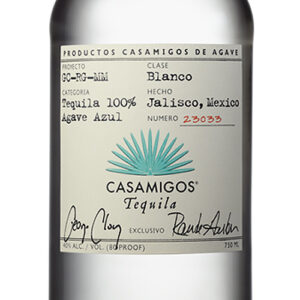
When you hear the name Casamigos, you’re likely thinking of a high‑profile, celebrity‑backed tequila brand. Founded by actor George Clooney, entrepreneur Rande Gerber and real‑estate investor Mike Meldman in 2013, Casamigos started as a personal project among friends who “just wanted a tequila we would drink ourselves.” (Vanity Fair)
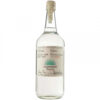
The brand’s Blanco variant—Casamigos Blanco—is its un‑aged (or minimally aged) expression, representing the core of the agave flavour before extended barrel ageing. According to the brand: “Our agaves are 100% Blue Weber … cooked slowly in traditional brick ovens … our unique flavour is the result of a painstakingly slow process.” (Casamigos)
In this article we’ll dive deep into Casamigos Blanco — its origin, production, tasting profile, how to enjoy it, pricing and availability, criticisms & controversies, plus a comprehensive FAQ section drawn from “People also ask” on Google (with detailed answers). We’ll conclude with some final thoughts.
Let’s begin.
Casamigos (the name combining Spanish casa = house and amigos = friends) was born out of a simple idea among friends who loved tequila and wanted one they could drink straight — no need for salt or lime. (Vanity Fair)
They collaborated with a master distiller in Jalisco, Mexico, to source 100 % Blue Weber agave and develop a process that emphasised smoothness and approachability. (Vanity Fair)
In 2017, the global beverages group Diageo acquired Casamigos for an initial US $700 million, with an additional up to US $300 million contingent on performance. (El País)
Casamigos Blanco is produced in Mexico from 100% Blue Weber agave (also called agave azul) grown in Jalisco. The brand emphasises slow‑cooking the agave piñas (the heart of the plant) in brick ovens and a slow fermentation process. (Casamigos)
The tequila is distilled and then rested for a short period (in the case of Blanco) to capture the fresh‑agave character. For example, one product description notes the blanco is “aged two months in stainless steel tanks” to give the tequila a smooth texture. (La Grande Épicerie)
From its outset, Casamigos positioned itself as a premium “easy‑drinking” tequila — one you can sip neat, but also enjoy in cocktails. The celebrity association (Clooney, Gerber) and design aesthetic (sleek bottles, minimalist labelling) helped propel it into premium spirit territory. The brand’s story emphasises “house of friends” and conviviality, rather than ultra‑traditional or rugged agave heritage.
The core of Casamigos Blanco is 100 % Blue Weber agave, hand‑harvested. This is a hallmark of higher‑quality (and more expensive) tequila production. (Whisky)
The agave is grown in the highland region of Jalisco, which is known for a particular soil and climate (typically clay/loam soils, higher altitude) that influence agave character. (Svet nápojov)
Although blanco tequilas are usually un‑aged (or only briefly rested), Casamigos notes that their Blanco rests about two months in stainless steel tanks. This is unusual in that many blancos go directly from distillation to bottling (or after minimal rest). The two‑month rest may serve to smooth out rough edges. (La Grande Épicerie)
Because of that, the Blanco retains a fresh agave‑driven profile but with added smoothness.
According to the brand: “Hints of citrus & sweet agave.” (Casamigos)
Other tasting notes note fresh agave, citrus, herbal notes (and sometimes slight smoked character from the oven‑roasting). (Whisky)
So you can expect: fresh agave, clear citrus (grapefruit/lemongrass/citrus peel), subtle herbaceousness.
The brand describes the flavour as: “Fruit forward with notes of vanilla and grapefruit.” (Casamigos)
Other sources describe: vanilla, grapefruit, sweet agave, a light texture and balanced taste. (Whisky)
So on the palate you’re likely to perceive:
The finish is described as “long and sweet” in some sources. (Whisky)
Given the vanilla and sweetness elements, the finish will likely linger with vanilla‑citrus/herb residuals, while still maintaining clarity (since it’s a blanco, not barrel heavy).
If you were to describe Casamigos Blanco in one sentence: a smooth, approachable blanco tequila with a clear agave base, citrus and vanilla notes, designed for sipping or quality cocktails rather than rough shots.
It’s less aggressive than some raw blanco tequilas (which might deliver more pepper, raw agave bite, herbaceousness) and more polished.
Casamigos markets its Blanco as suitable for sipping neat or on the rocks. The smoothness and vanilla‑citrus profile make it accessible for less‑tequila‑experienced drinkers.
Serving suggestions: pour about 45–50 ml neat in a copita or “rock” glass; perhaps garnish with a fresh citrus peel (grapefruit or orange) rather than the classic salt + lime if you prefer.
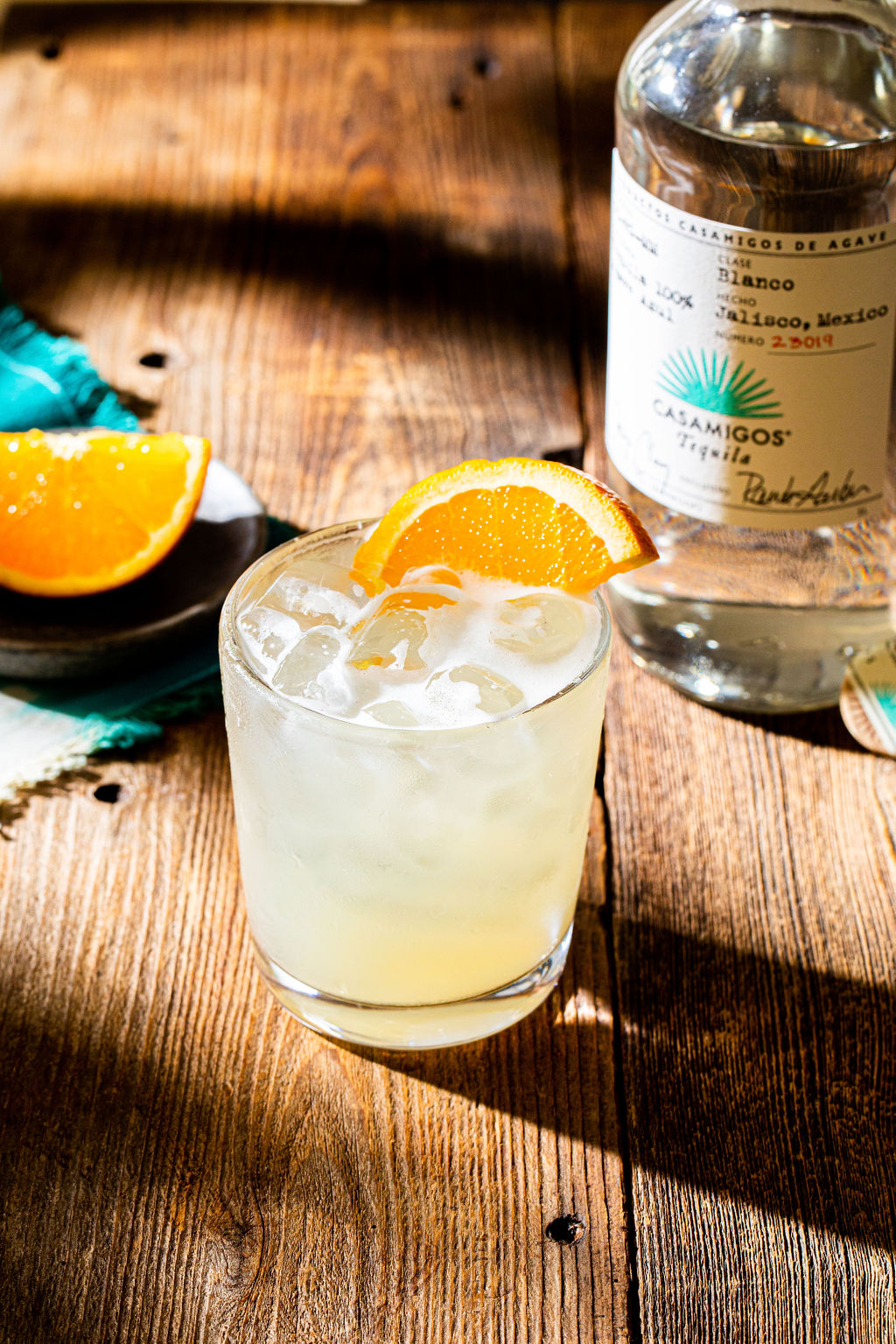
Because it’s smoother than many harsher blancos, Casamigos Blanco works nicely in premium cocktails. Here are some ideas:
For food or flavours that complement Casamigos Blanco:
In various markets, the 70 cl bottle of Casamigos Blanco (40% ABV) sells in the ballpark of €45‑€70 (or equivalent) depending on taxes and region. For example, one French retailer lists it at ~€46 for 70 cl. (La Grande Épicerie)
Another listing shows ~€57 per litre in France. (Carrefour.fr)
In Nigeria a price is ~₦125,000 for 70 cl. (Naija Liquor)
Prices will vary significantly by country, import duties, availability, and whether you buy retail or in a bar.
Casamigos Blanco is widely available internationally, especially in markets where premium spirits are distributed. The brand’s parent company (Diageo) ensures broad reach.
However, availability can still depend on local licensing, allocation, and demand — in some locations you might pay a premium.
In Cameroon (and more broadly in Central/West Africa), you may find it in premium liquor stores or import shops; pricing may be higher due to import duties and limited supply.
Casamigos is positioned as a “super‑premium” tequila — not the ultra‑luxury end (some tequilas go above US $100+), but above standard blanco/entry levels.
Recent market commentary suggests though that the “tequila boom” has cooled and premium tequilas like Casamigos are facing price pressure. (The Wall Street Journal)
If you buy it, it may act both as a sipping tequila and a premium cocktail base. Whether it represents “value” depends on your budget and how it compares to alternatives.
“Tried a miniature … It was super bland to me… the already weak agave flavour completely disappeared…” (Reddit)
“Casamigos is not well‑regarded on this sub… it’s not additive free.” (Reddit)
If you like Casamigos Blanco but want to explore other options, consider:
As noted above, some tequila aficionados on reddit and other forums believe Casamigos Blanco has a flavour profile (vanilla‑sweet, somewhat muted agave) that suggests additives or flavouring to make it more “drinkable” for the mass market. For example:
“It’s tequila for people who don’t like tequila… high end mixer.” (Reddit)
“Casamigos is not well‑regarded… because it’s not additive free… there are 100% agave tequilas for less money that are better imo.” (Reddit)
While these are informal user opinions and not always verified by lab tests, they reflect a portion of the market that values the raw agave expression over smooth‑sweet flavouring.
In 2025, a federal class‑action lawsuit was filed in the U.S. claiming that Diageo misled consumers by marketing Casamigos (and Don Julio) as “100% agave” while allegedly using cane or other non‑agave alcohols. (Food & Wine)
According to the filing, plaintiffs asserted that lab testing showed significant concentrations of cane‑derived alcohol, which would disqualify the tequila from being legitimately labelled “100% agave” under U.S. and Mexican regulatory standards. Diageo denies the claims.
This has caused increased scrutiny of premium tequilas and transparency in the agave spirit industry.
As mentioned earlier, the tequila boom (especially for ultra‑premium brands) has decelerated, and brands like Casamigos are facing competitive pressure. Analysts report a price‑war and shifting consumer preferences toward mid‑priced tequilas. (The Wall Street Journal)
This means that even though Casamigos remains premium, its relative value proposition is under more scrutiny.
Below are many of the questions commonly asked by consumers (based on Google’s “People also ask” prompts) and detailed answers.
Answer:
Casamigos Blanco is the flagship un‑aged (or minimally rested) tequila of the Casamigos brand. It is made from 100% Blue Weber agave, produced in Jalisco, Mexico, cooked slowly in traditional brick ovens, fermented slowly, double‑distilled, and rested briefly (in stainless steel tanks) to smooth it. It is bottled at 40% ABV. (Casamigos)
It is designed to be smooth and approachable, good for sipping or cocktails, and carries the branding and premium positioning of Casamigos.
Answer:
Answer:
According to the brand and tasting notes:
“It was super bland to me…the already weak agave flavour completely disappeared…” (Reddit)
But for many it offers an easy‑drinking, smooth tequila with pleasant flavour.
Answer:
Answer:
Value is relative to your budget, alternatives available in your market, and your personal preferences.
Pros for value:
Answer:
Answer:
The label and brand state that Casamigos Blanco is made from “100% agave Blue Weber.” (Casamigos)
However, as noted above, a class‑action lawsuit filed in 2025 alleges that Casamigos (and Don Julio) contain significant cane or other non‑agave alcohol, thereby misleading consumers who believed they were buying “100% agave” tequila. (Reuters)
The brand’s parent company (Diageo) denies these claims and asserts the products meet regulatory standards.
Regulatory standards for tequila in Mexico (NOM) and in the U.S. (TTB) require that tequilas labelled “100% agave” be exclusively produced from agave sugars. Whether the lawsuit will prove the allegations remains to be adjudicated. For consumers, this means that while the label says “100% agave,” some scrutiny and varying opinions exist.
Answer:
Given its flavour profile—agave sweetness, citrus, vanilla, smooth finish—the following pairings work well:
Answer:
In many countries, premium liquor stores, specialist spirit shops, airports, and online liquor retailers carry Casamigos Blanco. The brand is distributed worldwide via Diageo’s network.
In African markets (like Cameroon), you may need to check high‑end liquor retailers or expatriate‑oriented stores; due to import duty the price may be higher.
Check the bottle for authenticity (seal, tax stamp, correct labelling). If imported, make sure local regulations permit import and re‑sale of spirits.
Answer:
Yes — definitely. Casamigos Blanco is marketed for both sipping and mixing. Because it is smooth and has good flavour, it works very well in premium cocktails (margaritas, Palomas, tequila sours) where the spirit is part of the flavour rather than being masked.
If you are mixing heavily (lots of sweet flavours, strong syrups, high dilution), you might get the same functional result with a lower‑cost blanco and save money. If you’re making a premium, “spirit‑forward” tequila cocktail, Casamigos Blanco is a good choice.
In summary, Casamigos Blanco is a premium blanco tequila designed for smooth, approachable enjoyment, whether neat, on the rocks or in cocktails. It benefits from strong branding, good availability, and a flavour profile that emphasises vanilla, citrus and sweet agave rather than raw pepper or extreme agave intensity. This makes it a good “gateway” tequila for drinkers moving into higher quality spirits and for those who value drinkability.
However, if you are a tequila purist seeking maximum agave character, minimal sweetness or additive‑free production, you might find more authenticity (or better “value for money”) in craft tequilas less driven by celebrity branding. The 2025 lawsuit alleging issues around “100% agave” claims also suggests some consumers should research and compare, especially at premium price points.
For someone in a market like Cameroon: if you find Casamigos Blanco at a reasonable mark‑up (considering import taxes) and you enjoy its style, it can be a strong choice for sipping and cocktails. Just be mindful of price and compare with alternatives that may deliver similar flavour at a lower cost.
Final take‑away:
If you want a smooth, easy‑drinking, premium tequila that works in both cocktails and sipping mode, Casamigos Blanco is a worthy option. But if you’re chasing the most character‑driven, raw agave expression, you might explore other blancos and compare side by side.
 Clase Azul Día de Muertos Colores 2022 Edition Tequila
1 × $3,554.99
Clase Azul Día de Muertos Colores 2022 Edition Tequila
1 × $3,554.99 Subtotal: $3,554.99




Reviews
There are no reviews yet.