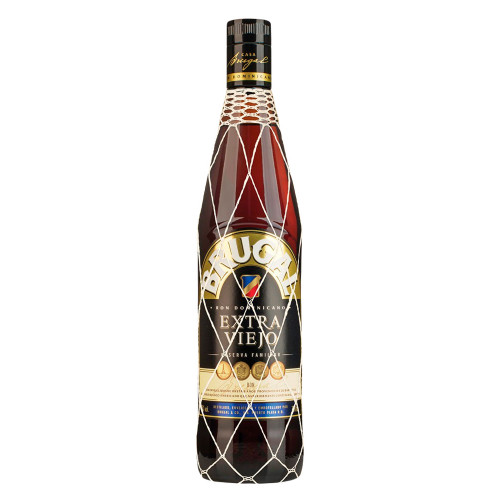
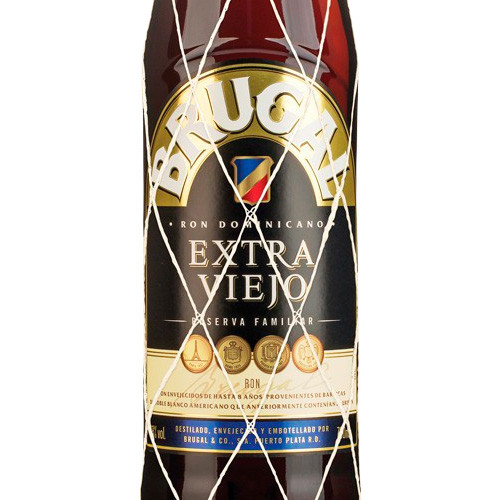
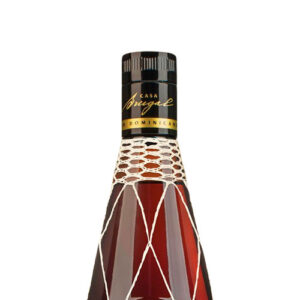
Brugal Extra Viejo Rum


Brugal Extra Viejo Rum — Deep Dive Overview, FAQs & Conclusion 🍹
Introduction
Brugal Extra Viejo is one of the most iconic rums from the Dominican Republic — and arguably one of the best‑known aged rums from the Caribbean. It occupies a place of significance in rum history: it was among the first premium, aged rums to bring a more mature, oak‑aged character to a spirit often associated with light, white rum or simple gold blends. (ALL AT SEA)
In this article, we journey through the origins, production, tasting profile, public perceptions, and common questions around Extra Viejo. I also cover its strengths, limitations, and end with who might enjoy it — and who might want something else. By the end, you’ll have a full-picture understanding of what Extra Viejo is, what to expect, and whether it fits your taste.
What is Brugal Extra Viejo?
Brand Background — Who Makes It
- Brugal & Co. was founded in 1888 by Don Andrés Brugal Montaner in the Dominican Republic. (Wikipedia)
- The distillery is based in Puerto Plata, and today Brugal remains one of the most recognized rum producers globally. (Wikipedia)
- Brugal is known for its portfolio of rums covering white, gold, añejo, and aged variants — with Extra Viejo as its flagship “aged & smooth” rum. (Vinissimus)
What “Extra Viejo” Means & Its History
- “Extra Viejo” translates roughly to “Extra Old” — signalling this rum’s aged nature rather than a young, fresh-style rum. The product was initially introduced in 1976, marking Brugal’s first premium aged rum offering. (ALL AT SEA)
- In 2020, Extra Viejo celebrated its 45th anniversary — a testament to its longevity and continuous popularity. (dominicantoday.com)
- The rum was initially only sold in the Dominican Republic; over time, its international distribution expanded, including markets such as the United States from 2009 onward. (awardrobeofwhisky.com)
Production & Ageing — How It’s Made
- Base ingredient: Extra Viejo is molasses‑based, not derived from sugarcane juice. (The Rum Barrel Blog)
- Distillation: According to sources, the rum is produced by “multi‑column distillation” — a process that yields a clean, neutral spirit which will derive most of its character from aging rather than distillate impurities. (The Rum Barrel Blog)
- Aging: The rum is aged in American white oak barrels, specifically ex‑bourbon casks, which previously held bourbon. (Brugal)
- Aging duration: Although Extra Viejo is a NAS (No Age Statement) rum, the blend typically includes reserves aged between 3 and 8 years. (Distiller – The Liquor Expert)
- Finish & filtration: Part of Brugal’s traditional style includes minimal manipulation: many editions of Extra Viejo are reportedly not chill‑filtered, letting more character from the wood remain. (The Rum Barrel Blog)
- Impact of climate: Aging takes place under the tropical conditions of the Dominican Republic — high heat and humidity — which accelerates the interaction between rum and wood, often called “tropical aging.” For producers like Brugal, this intensifies maturation, though it also increases the “angel’s share” (evaporation) significantly compared to cooler climates. (Brugal)
In short: Extra Viejo starts from clean, molasses‑derived distillate, then relies heavily on barrel aging and careful blending to build its flavor and body. Aging under tropical conditions helps extract wood character more intensely — contributing to its amber color, sweetness, and depth.
Tasting Profile — Appearance, Aroma, Taste & Finish
Because Extra Viejo is aged and matured, it tends to offer a richer and more complex experience than a standard white or young rum. Here’s a breakdown of what you can expect, based on producers’ notes, expert reviews, and public tasting experiences.
Appearance & Mouthfeel
- Color: The rum pours a clear amber to deep amber, a hallmark of oak aging. The official description notes “deep, rich ambers.” (Brugal)
- Body / Texture: Medium-bodied, often described as “smooth,” “oily,” or “silky.” On the palate, it can feel slightly viscous or coating — a sign of maturation and wood-derived richness. (barnonedrinks.com)
Aroma (Nose)
According to the producer’s tasting notes and third‑party reviews, aromas from Extra Viejo include: (Brugal)
- Wood / Oak — the dominant backbone, with the influence of ex‑bourbon barrel aging.
- Dried fruits and nuts — such as almonds, perhaps raisins or other dried fruits.
- Cocoa & dark chocolate — a common note in aged rums, bridging sweetness and bitterness.
- Vanilla, caramel, molasses — sweet, dessert‑like aromas from wood sugars and molasses base.
- Orange peel / citrus hint — a bright accent that balances the heavier wood and sweet notes.
- Spice / subtle warmth — some reviewers note light spice or warmth, possibly pepper or mild barrel spice. (royalbatch.com)
One reviewer described the nose as “rich sweetness, with dark brown sugar and molasses, along with lighter sweet notes: honey and vanilla, and faint touches of smoke.” (Distiller – The Liquor Expert)
Taste (Palate)
Tasting Extra Viejo reveals layers and shifts, often leaning towards a sweet‑oak profile with some complexity: (Brugal)
- First sip / Entry: Often vanilla and caramel sweetness, perhaps with honey or toffee undertones. Some describe a gentle warmth, or soft molasses richness. (royalbatch.com)
- Mid‑palate: Cocoa or dark chocolate notes can emerge, along with subtle oak/woodiness, mild spices (nutmeg, cinnamon, or a peppery warmth), and a slight dryness compared to the entry sweetness. Some detect hints of coffee or roasted nuts. (awardrobeofwhisky.com)
- Finish: Generally medium to long — a lingering warmth, with wood/spice echo, perhaps a dry cocoa or mild tobacco/pipe‑tobacco character, and a balanced aftertaste. (Distiller – The Liquor Expert)
One early review (2009) noted coffee and tobacco on the nose, shifting to vanilla and a subtle smokiness on the palate, with a “clean” finish — not boozy or bitter. (Drinkhacker)
However — as with many blended rums — impressions vary depending on batch, dilution (neat vs. ice vs. mixer), and personal sensitivity. Some reviewers find Extra Viejo less “complex” than they hoped, particularly when diluted or mixed heavily. (The Rum Barrel Blog)
Typical Serving & Use
- Many enjoy Extra Viejo neat or on the rocks, to appreciate its aromatic depth and woody‑sweet balance. (awardrobeofwhisky.com)
- It’s also commonly used in mixed drinks / cocktails — especially ones where a darker aged rum is desired. Brugal’s own site suggests mixing Extra Viejo with lemon soda and a fresh lemon peel to highlight its citrus and wood notes. (Brugal)
- Because of its smoothness and dialed‑down aggressiveness (38–40 % ABV), Extra Viejo is often viewed as an “everyday” or “go‑to” aged rum — budget‑friendly, approachable, and versatile. (tcmgourmet.com)
The Story & Significance — Why Extra Viejo Matters
Pioneer of Caribbean Aged Rum
- In 1976, Extra Viejo emerged as the first premium rum from the Dominican Republic — signalling a shift from light white/young rums to aged, barrel‑matured expressions. (ALL AT SEA)
- For decades, its distinctive amber character, oak‑driven flavors, and smooth style helped shape expectations for “aged rum” in global markets — giving many drinkers their first taste of mature rum complexity outside whisky or brandy.
House‑Style & Consistency
- Through its production approach — molasses base, multicolumn distillation, aging in ex‑bourbon barrels, tropical aging conditions, blend of reserves — Extra Viejo reflects Brugal’s house style: smooth, approachable rums with a Caribbean sensibility softened by oak maturity.
- Despite evolving consumer trends and newer, premium rum releases globally, Brugal has maintained Extra Viejo’s identity loyal to its roots. Even in 2020 (45 years after its launch), the company stated that the rum remains “intact” and faithful to its original profile. (dominicantoday.com)
Cultural Importance — Within the Dominican Republic & Beyond
- In the Dominican Republic, Extra Viejo is regarded as a classic — a rum tied to tradition, celebration, and everyday life. According to reports, it “won the hearts of Dominicans” over decades, achieving iconic status locally. (dominicantoday.com)
- Globally, Extra Viejo helped introduce consumers to aged Caribbean rum. Its availability outside the DR (post‑2009) contributed to increased recognition of Dominican rum quality — expanding the international palate beyond Jamaican or Cuban‑style rums. (awardrobeofwhisky.com)
Reception & Critiques — What Drinkers & Experts Say
As with any widely consumed spirit, Extra Viejo receives both praise and criticism depending on expectations and use. Here’s a breakdown:
👍 Strengths & What People Like
- Affordability + accessibility: Compared to many aged rums or spirits, Extra Viejo offers a relatively low‑cost entry into aged rum, making it good for everyday sipping or mixing without huge expense. (tcmgourmet.com)
- Smoothness and drinkability: Many appreciate how easily it goes down, without harsh “fusel” or strong alcohol burn, even at room temperature. (Drinkhacker)
- Balanced oak‑and‑sweet profile: Its aroma and flavor balance — vanilla, caramel, oak, cocoa, spice — makes it versatile: good neat, on ice, or in cocktails. (Brugal)
- Legacy and heritage: For some drinkers, the brand name, Dominican origin, and long history add sentimental or cultural value — making Extra Viejo more than just a “drink,” but a connection to Caribbean rum tradition. (Bondston)
- Useful as mixer / workhorse rum: Because of its relative lightness (compared to heavy “single cask” rums) and approachable profile, many bartenders and home mixologists rely on Extra Viejo for cocktails — rum & cola, rum punch, or simple drinks. (Drinkhacker)
⚠️ Criticisms & What Some Don’t Like
- Perceived as “thin” or “watered down” by some — especially critics used to higher‑proof, heavily aged, or more complex rums. One review noted that despite a rich nose, on the palate Extra Viejo felt “so watered down,” with limited complexity and a short finish. (The Rum Barrel Blog)
- Relatively low ABV (38–40%) — Some rum enthusiasts prefer stronger, bolder rums; Extra Viejo’s moderate alcohol content might feel underwhelming for those used to cask‑strength or higher‑proof spirits. (Distiller – The Liquor Expert)
- Less depth than premium rums — For drinkers accustomed to ultra‑aged, small‑batch, or single‑cask rums with intense depth, Extra Viejo may seem too light, simple, or shallow. (ALL AT SEA)
- Inconsistent “wow” factor — Because it’s a blend from various reserves and aging batches, some bottles may perform better than others; for some drinkers, expectations of maturity or complexity aren’t always met. (Distiller – The Liquor Expert)
Overall: Extra Viejo tends to divide opinion — beloved by those seeking a smooth, accessible aged rum for mixing or easy sipping; questioned by purists seeking depth, power, or more distinct aged‑rum character.
People Also Ask — Common Questions & Answers
Here’s a compilation of frequently asked questions about Brugal Extra Viejo, with answers based on available sources.
What does “Extra Viejo” mean for this rum?
“Extra Viejo” literally means “Extra Old” in Spanish — referring to the rum’s aged, matured character. Unlike white or “young” rums, Extra Viejo is aged in oak barrels (ex‑bourbon) for several years (typically 3–8 years), giving it amber color, depth, and wood‑derived flavor. (Distiller – The Liquor Expert)
What kind of aging and casks are used for Extra Viejo?
The rum is aged entirely in ex‑bourbon American white oak barrels; these are formerly used bourbon casks that impart wood, vanilla, caramel, and oak spice to the rum over time. (Brugal)
Given the tropical climate of the Dominican Republic, aging is especially active. The heat and humidity intensify the interaction between rum and wood, leading to pronounced extraction of wood-derived flavors over a shorter time than in cooler climates. (Brugal)
Is Extra Viejo high‑proof or standard strength?
Extra Viejo is bottled at 38% to 40% ABV depending on the market edition. (Distiller – The Liquor Expert)
This makes it milder and more approachable than many cask‑strength spirits, but possibly lighter in “punch” compared to high‑proof rums — which can influence both flavor intensity and final impression.
What does Extra Viejo taste like?
Typical tasting notes:
- Nose: Wood / oak, dried fruits (nuts, raisins), cocoa or dark chocolate, vanilla, orange peel, caramel, molasses. (Brugal)
- Palate: Vanilla, caramel / toffee / honey sweetness, mild oak, cocoa / dark chocolate undertones, occasional spice or warm notes, sometimes coffee or roasted‑nut nuance. (Distiller – The Liquor Expert)
- Finish: Medium-length, with woody/spice echoes, perhaps a peppery warmth or subtle dryness, making it balanced rather than overly sweet or cloying. (The Rum Barrel Blog)
Overall, many describe Extra Viejo as smooth, balanced, and “workhorse”: neither overwhelming nor extremely bold — good for sipping or mixing.
Is Extra Viejo good for cocktails or only neat?
Extra Viejo is versatile. Its smoothness and moderate strength make it a good base for cocktails — especially those that benefit from some oak, vanilla, or caramel character without overpowering. For example, it works in rum‑and‑cola, rum‑and‑soda, or classic rum punches. The producer even recommends a simple mix with lemon (or lime) soda and a fresh citrus peel to bring out its orange‑peel and woody notes. (Brugal)
That said, many fans enjoy it neat or on a large ice cube to appreciate the subtle aromatics and wood notes — especially if they want a mild but characterful rum sip.
How does Extra Viejo compare to other aged rums (in quality and price)?
Extra Viejo occupies a mid‑range: more refined and aged than white or young gold rums, but less “intense” than high‑end, small‑batch, or single‑cask aged rums. Compared to such premium rums, it may lack extreme depth or complexity. (The Rum Barrel Blog)
Its main value lies in accessibility: it delivers a respectable aged‑rum experience at a relatively modest price — making it good for everyday drinking, casual sipping, or mixing — rather than as a collectible or “special‑occasion” bottle.
Is Brugal Extra Viejo considered a “good” rum overall?
Answer: It depends on what you expect. Many consider Extra Viejo “good” because of its smoothness, drinkability, balanced flavor, and value for money. For someone seeking a simple, reliable aged rum for cocktails or easy sipping — yes, it’s a solid choice. Others — especially rum connoisseurs seeking deep complexity, high proof, or very bold character — may find it mild or underwhelming. (The Rum Barrel Blog)
What People Say — Reception, Strengths & Criticisms
Here’s a snapshot of various opinions drawn from experts, reviewers, and user feedback:
- One review called Extra Viejo “one of few rums I have no problems drinking at room temperature,” praising its approachable aroma (coffee, tobacco, vanilla) and clean finish. (Drinkhacker)
- Another review, while acknowledging a “rich” nose, criticized the palate for feeling “watered down,” calling the finish short and lacking depth. (The Rum Barrel Blog)
- Official tasting notes from Brugal themselves emphasise wood, dried fruits, citrus peel (orange), vanilla, caramel — projecting a “rounded woody spiciness” and a “long balanced finish.” (Brugal)
- Ratings-wise: on one spirits‑review aggregator, Extra Viejo has a moderate to good reputation — considered “solid” older rum for its class. (Distiller – The Liquor Expert)
In essence: Extra Viejo rarely surprises — it rarely disappoints either (for those with moderate expectations). It’s consistent, predictable, and carries the classic barrel‑aged Caribbean rum signature in an accessible way.
Where Extra Viejo Fits — Strengths, Weaknesses, and Ideal Use Cases
✅ Where It Excels
- Mixer‑friendly aged rum: Works well in cocktails — rum & cola, rum punch, simple mixes — bringing oak, vanilla, and caramel depth without overpowering.
- Approachable sipping rum: Smooth, balanced, not overly aggressive; good for casual sipping, especially for people new to aged rum.
- Value for money: Compared to many premium or imported aged rums, Extra Viejo often gives good flavor and maturity at a modest price point.
- Cultural and historical significance: As a pioneer aged rum from the Dominican Republic, it represents a heritage style — a taste of Caribbean rum tradition and mid‑century innovation.
- Consistency and versatility: Because of blending and moderate aging, Extra Viejo remains fairly consistent across bottles and can suit varied palates — from cocktail lovers to mellow sippers.
⚠️ Where It Falls Short (For Some Drinkers)
- Not highly complex or deeply aged: For enthusiasts seeking heavy oak, tannic depth, high proof, or “bourbon‑like” intensities — Extra Viejo may feel too light or simple.
- Low ABV modest “kick”: At 38–40%, the alcohol backbone is soft; for those wanting more “bite,” it may lack strength or intensity.
- Possibility of being “generic”: Because it’s widely produced and widely distributed, some may find it too common or lacking distinct identity compared with niche, small‑batch, or single‑cask rums.
- For mixing: may lose subtleties: In heavy or sugary cocktails, the subtle notes (vanilla, oak, cocoa, spice) may be masked — meaning better to enjoy neat or in simple drinks.
People Also Ask — Additional Recurring Questions & Answers
Here are a few more questions commonly asked about Extra Viejo — with answers based on evidence and sources.
Is Brugal Extra Viejo aged or “just blended rum”?
Answer: Extra Viejo is an aged rum — not a white or unaged spirit. Its blend consists of rum reserves aged typically between 3 and 8 years in American oak (ex‑bourbon) barrels. (Distiller – The Liquor Expert)
What is the alcohol content (ABV)?
Answer: Extra Viejo is bottled at 38% to 40% ABV, depending on market / edition. (Distiller – The Liquor Expert)
Is Extra Viejo good for beginners or new rum drinkers?
Answer: Yes — its smoothness, moderate strength, and accessible flavor make it a good entry point to aged rum. For newcomers, it offers a taste of barrel‑aged depth without being harsh or overly complex.
Should Extra Viejo be drunk neat, on ice, or mixed?
Answer: Extra Viejo is versatile: it can be enjoyed neat or on ice to appreciate its aroma and oak-derived flavors, or used in cocktails/mixed drinks — especially lighter or citrus‑based ones (e.g. rum & cola, rum & soda, rum punch). Simple mixes tend to highlight its caramel, vanilla, and woody notes without overpowering them.
How does Extra Viejo compare to other aged Caribbean rums?
Answer: Extra Viejo sits in a mid-tier category: more mature and refined than basic white or gold rums, but generally lighter and simpler than boutique, small‑batch, high‑proof, or very old rums. Its strength is accessibility and versatility rather than deep vintage complexity.
Is Brugal Extra Viejo a “good value” rum?
Answer: For its price class and purpose — everyday sipping, mixing, or casual enjoyment — many consider Extra Viejo a good value. It delivers oak-aging, recognizable flavor profile, and Caribbean heritage without high price or over-the-top pretension. However, for collectors or connoisseurs seeking depth or rarity, there may be better (albeit more expensive) options.
Conclusion — Who Should Drink Brugal Extra Viejo (And Who Might Want Something Else)
Brugal Extra Viejo is best understood as a workhorse aged rum: a reliable, accessible, and balanced spirit that fills many roles — from everyday cocktail base to beginner‑friendly sipping rum, from casual social drink to nostalgic Caribbean classic.
🎯 Extra Viejo Is Great If You:
- Want an affordable aged rum that’s easy to find and easy to drink.
- Like versatility — good neat, on ice, or in cocktails.
- Appreciate a smooth, mellow profile — vanilla, caramel, oak, cocoa, mild spices — without the intensity or aggressiveness of heavy, overproof rums.
- Are new to aged rum or exploring Caribbean rum beyond white/light varieties.
- Want a rum fitting for casual gatherings, mixed drinks, or relaxed sipping rather than serious tasting or collecting.
⚠️ You Might Prefer Something Else If You:
- Are seeking deep complexity, robust oak character, high proof, or “serious sipping rum” complexity.
- Prefer bold, vintage‑style rums with strong barrel influence, tannins, and intense flavors.
- Collect or value rarity or premium‑level rums — Extra Viejo, being a blend and widely distributed, may lack exclusivity.
- Expect a “heavy” or “powerful” spirit — its moderate ABV and smoothness may feel light if you’re used to stronger spirits.
My view: Brugal Extra Viejo shines as a friendly, balanced, and historically significant aged rum. It may not be the rarest, strongest, or most complex rum out there — but it doesn’t aim to be. Instead, it succeeds in offering a tasteful, dependable, and versatile rum that honors Dominican rum tradition while remaining approachable. For many drinkers — especially those new to aged rum or seeking reliable daily rum — it is a solid, worthwhile pick.
If you like, I can also compare Extra Viejo with 4–5 other popular mid‑priced aged rums (from Caribbean or Latin America), to help you see how it stacks up in flavor, value, and versatility.
Do you want me to build that comparison now?





Reviews
There are no reviews yet.