Barr Hill Tom Cat Reserve Gin

Barr Hill «Tom Cat Reserve Gin» — full overview, FAQ & conclusion
⚠️ Disclaimer: This article covers an alcoholic beverage. Alcohol consumption carries health risks. If you choose to drink, please do so responsibly and in moderation.
Introduction: What is Tom Cat Reserve Gin?
Tom Cat Reserve Gin is a barrel-aged, reserve expression from Barr Hill (produced by Caledonia Spirits, based in Vermont, USA). Rather than following classic dry-gin conventions, Tom Cat starts with Barr Hill’s juniper + honey-based gin, then ages it in new American oak barrels — producing a spirit that straddles the line between gin and a wood-influenced “brown” spirit. (Barr Hill)
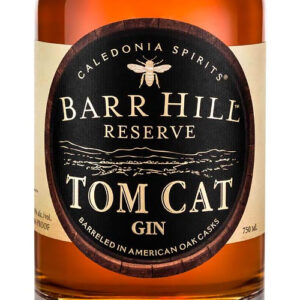
Barr Hill themselves describe Tom Cat as “an exploration into bolder expressions for American gin,” meant to appeal to gin lovers, whiskey drinkers, and those curious about hybrid spirits. (Barr Hill) The result is a richly flavoured, complex spirit at 43% ABV (86 proof). (reservebar.com)
In the sections below, I’ll unpack how Tom Cat is made, how it tastes, how best to enjoy it, common questions people ask, plus strengths, limitations, and a final verdict on who should try it.
Origins & Production: From Juniper + Honey to Oak-Aged Gin
🐝 The base gin — Barr Hill’s foundation
- Barr Hill’s core gin recipe is relatively simple: juniper berries for botanical backbone, and raw Vermont honey for sweetness and character. Their philosophy revolves around craft, sustainability, and using local honey to impart a softer, more natural profile than many heavily botanical gins. (royalbatch.com)
- This unique base gives Barr Hill Gin — and by extension Tom Cat — a starting point that is more floral, woody, and honeyed than many London-dry style gins.
🛢️ Barrel aging — turning gin golden
- After distillation, instead of bottling immediately, Barr Hill ages the gin in new American oak barrels. Tom Cat typically rests for 3–6 months before bottling. (Distiller – The Liquor Expert)
- The charred oak imparts color (a warm amber / burnished rose-gold hue) and layers of flavour — including oak, caramel, vanilla, spice — transforming the gin into a more whiskey-like, complex spirit. (Wine)
- Because of this process, Tom Cat is often described as a “modern-day adaptation of Old Tom gin” — combining juniper/honey gin heritage with barrel-aged depth more typical of bourbon or rye. (vinerepublic.com)
In short: Tom Cat Reserve Gin isn’t just gin with some flavoring — it’s intentionally crafted to be a hybrid spirit bridging gin and barrel-aged spirits, offering something different from both.
Tasting Profile & Sensory Experience: What Tom Cat Gin Feels Like
Tom Cat Reserve’s characteristics diverge markedly from classic, un-aged gin. Here’s a breakdown of what to expect: aroma, taste, finish — and overall impression.
👃 Aroma (Nose)
- Oak & Barrel Character: The first impression is often wood — charred oak, toasted barrel, a warm woody aroma heightened by vanilla or light caramel sweetness. (reservebar.com)
- Juniper + Honey Base: Underlying that woodiness, there’s still a backbone of juniper herbaceousness and a subtle trace of Barr Hill’s signature honey sweetness. (Barr Hill)
- Spice & Depth: Many reviewers note hints of baking spice — clove, gingerbread, leathery or resinous forest-wood tones that evoke pine, cedar, or even a “lumberyard” character when rested in glass. (Drinkhacker)
As one reviewer described:
“deep resinous pine, with hints of eucalyptus, cedar, oak, and hickory… a whole lumberyard in the background.” (Good Gintentions)
Far from a light, botanical gin — the nose suggests depth, warmth, and complexity.
🥃 Palate (Taste & Mouthfeel)
- Rich, Round, Slightly Sweet Entry: The honey base softens the entry — you often get a smooth, viscous initial sip, not a sharp alcohol bite. (Fine Wine House)
- Wood, Caramel & Spice: As you sip, flavors of caramel, vanilla, light oak tannins emerge. Some note darker, whiskey-like traits: burnt caramel, gingerbread or baking-spice overtones, even a subtle smokiness, depending on batch. (Drinkhacker)
- Juniper & Honey Lingering: The gin’s roots still show — juniper, subtle botanical herbaceousness, and a lingering trace of honey sweetness under the wood and spice. (reservebar.com)
In many bottles, juniper takes a back seat compared to the barrel/wood influence; what remains is more akin to a woody, resinous, somewhat smoky spirit — not a delicate, floral gin. (Drinkhacker)
🔥 Finish
- Long, Warm, Smooth: The finish tends to be long and warming rather than sharp. Expect lingering oak, subtle vanilla or caramel, and a final note of pine-resin or spice. (Thirty-One Whiskey)
- Complex & Layered: Because of the interplay between juniper, honey, and oak — finish can evolve: from resinous pine to soft honey sweetness to gentle wood/spice dryness.
🎯 Overall Impression
Tom Cat Reserve Gin is a complex, bold, and unconventional gin — less of a “classic gin” and more of a barrel-aged, sipping-spirit hybrid. It leans heavily into wood, spice, and honey — giving a drink profile that may resonate more with whiskey lovers than gin purists.
It’s not meant for delicate gin cocktails that depend on botanical subtlety. Instead, Tom Cat is best enjoyed neat, on ice, or in strong, spirit-forward cocktails where its depth and woodiness shine. (Good Gintentions)
Many reviewers praise it: one calls it “beautifully smooth… pine-resin backbone with honey & oak,” another says it’s nearly whiskey in character, yet unmistakably gin at its core. (Good Gintentions)
How to Drink Tom Cat Gin: Serving Methods & Cocktails
Because Tom Cat is somewhat of a hybrid spirit, how you drink it can make a big difference. Here are recommended ways:
🥃 Neat or On the Rocks
- Best for sipping: The wood, honey, and juniper layers come through most clearly when undiluted or with just a little ice. Many enthusiasts treat it like a fine whiskey — slow-sip, neat, or with a splash of water/ice. As one review suggests, this gin is “elite for sipping.” (Good Gintentions)
🍸 Cocktails & Mixers
While mixing requires careful thought (because of strong woody & resinous notes), some cocktails or serves can work especially well:
| Cocktail / Serving Idea | Why It Works |
|---|---|
| Gin Old Fashioned (gin + simple syrup/honey + bitters + orange peel) | Barrel and sweet-honey profile gives a whiskey-like richness but with gin’s botanical edge. Often cited as a top way to experience Tom Cat. (Distiller – The Liquor Expert) |
| Dark Negroni / Boulevardier-style riff | The woodiness and honey smoothness add depth; juniper remains as backbone under bitter vermouth & aromatics. (Good Gintentions) |
| Spiced / seasonal cocktails (e.g. with apple cider, ginger, fall spices) | The barrel-aged character and pine-resin notes match autumnal or winter mixers, providing warmth and complexity instead of vodka-like neutrality. (Good Gintentions) |
| Neat with a drop of water or ice + citrus twist | Light dilution helps open up vanilla, honey, wood notes — good for tasting complexity without over-sweetness. |
That said — many reviewers caution against using Tom Cat in typical G&Ts or light, botanical cocktails; its heavy barrel influence may overwhelm delicate mixers. (Good Gintentions)
Frequently Asked Questions (People Also Ask) — With Answers
Here are common questions people search about Tom Cat Reserve Gin — with concise answers based on available info.
Q1: What is Barr Hill Tom Cat Reserve Gin?
A: Tom Cat Reserve Gin is a barrel-aged, reserve expression from Barr Hill. It begins as Barr Hill’s regular gin (juniper + raw honey), then is aged for several months in new American oak barrels — resulting in a gin with rich wood, spice, and honey-influenced flavor. (Barr Hill)
Q2: What is the alcohol content of Tom Cat Gin?
A: Tom Cat Reserve Gin is bottled at 43% ABV (86 proof). (reservebar.com)
Q3: What does Tom Cat Gin taste like?
A: Tom Cat has a complex, layered flavor: nose of charred oak, vanilla, pine/honey/juniper; palate of caramel, baking spice, resinous pine, sweet honey, light citrus or resinous notes; finish is long, warm, and woody. Many describe it as aged-spirit-like rather than classic gin-like. (Drinkhacker)
Q4: Is Tom Cat Gin still a gin?
A: Technically yes — the base spirit is gin (juniper + honey). However, due to barrel aging and addition of honey post-distillation, its flavor profile and character diverge significantly from London-dry gin. The producers sometimes refer to it as “Reserve” or “Old Tom-style” gin because of that shift. (vinerepublic.com)
Q5: How long is Tom Cat Gin aged?
A: Typically 3 to 6 months in new charred American oak barrels, depending on batch. (Distiller – The Liquor Expert)
Q6: What cocktails are good with Tom Cat Gin?
A: Tom Cat Gin works best in cocktails and serves that allow its heavy wood, spice, and honey character to shine — e.g.: gin-style Old Fashioned, whiskey-style cocktails, dark Negroni riffs, winter/spice-based drinks, or neat/ice sipping. Classic light gin cocktails (G&T, Martini) are less suitable. (Good Gintentions)
Q7: Who would like Tom Cat Gin — gin lovers or whiskey drinkers?
A: Both — it’s designed to appeal to gin drinkers curious about barrel-aging, and to whiskey fans curious about gin. The blend of gin’s botanical base with whiskey-like woodiness makes it a crossover spirit. (Barr Hill)
Q8: What is the origin of the name “Tom Cat”?
A: The name references a bit of gin-history / folklore: historically, a “black cat” sign hung outside pubs during times when gin sales were restricted — it signaled discreet availability to patrons. Barr Hill chose “Tom Cat” to evoke that heritage, positioning their barrel-aged gin as a nod to tradition and a darker, more mysterious gin style. (Distiller – The Liquor Expert)
Strengths & Appeal — What Tom Cat Gin Does Very Well
Here are the aspects where Tom Cat Reserve Gin really stands out, and why many enthusiasts appreciate it.
✅ Depth & Complexity — A “Gin-Whiskey Hybrid”
Tom Cat succeeds in being more than “gin + barrel.” The interplay between juniper, honey, oak, caramel, spice and resin gives a layered, evolving flavor that unfolds over the sip — much like a good whiskey or aged spirit. (Drinkhacker)
This makes it appealing to:
- People who find traditional gin too light or botanical, but want something with gin origins.
- Whiskey lovers open to experimentation — Tom Cat delivers wood and warmth, yet retains gin’s botanical backbone.
✅ Smoothness & Drinkability
Because of the honey base and barrel aging, Tom Cat has a softer mouthfeel than many raw gins. It’s less sharp, less botanical-heavy, and often described as “velvety,” “warm,” and “sipping-worthy.” (Fine Wine House)
✅ Versatility & Cocktail Innovation
Tom Cat opens up a space for creative cocktails: gin OLD-fashioneds, barrel-aged riffs on classics, dark gin Negronis, fall/winter drinks with spices or cider — things not usually possible or practical with standard gin. (Good Gintentions)
For bartenders and home-mixologists, it adds a flexible, hybrid tool — a “gin that drinks like whiskey” — expanding what “gin cocktails” can be.
✅ Story, Craft & Identity — More than a Spirit
Tom Cat (and Barr Hill in general) comes with a story — about bees, honey, terroir, craft distilling in Vermont, respect for ingredients. For many drinkers, that adds value beyond flavor: a connection to craft, land, and provenance. (royalbatch.com)
Limitations & What to Consider — Where Tom Cat Might Not Be Ideal
No spirit can please everyone. The very traits that make Tom Cat special also impose some trade-offs.
⚠️ Not a Classic Gin — Limited for Traditional Gin Cocktails
Because of heavy oak, honey, and spice influence — Tom Cat rarely behaves like a classic London-dry or floral gin. That means:
- Classic gin cocktails (G&T, martini, gin-forward dry cocktails) lose their traditional balance; juniper takes a back seat, woodiness prevails. Many find Tom Cat “too heavy” or “too sweet” for delicate gin drinks. (Good Gintentions)
- The spirit’s identity is less “gin” and more “barrel-aged botanical spirit” — which may disappoint gin purists expecting crispness or botanical complexity.
⚠️ Mixing Can Be Tricky
Not all cocktails suit Tom Cat. The wood and resinous pine/resin flavours can conflict with light mixers (tonic, citrus, soda). Without careful pairing or cocktail design, the result might be clashing or muddled. (Good Gintentions)
⚠️ Polarizing Flavor — Not for Everyone
Some reviewers find the resinous, pine-sap, forest-wood character too “medicinal” or “rough.” The sweetness from honey combined with barrel spice may also feel heavy or cloying to those expecting a cleaner, lighter gin. (Good Gintentions)
⚠️ Price vs. Versatility Trade-off
Because Tom Cat is a niche, barrel-aged gin, it occupies a premium/specialty spot. For someone who wants a daily-drink versatile gin, it might feel too narrowly targeted.
As one review puts it: it’s an “excellent sipping gin” — but not “the most mixable.” (Thirty-One Whiskey)
Broader Context: Barrel-Aged Gin, Revival & Innovation
Tom Cat isn’t alone — barrel-aged gins are a growing niche in the spirits world. But it stands out:
- Many barrel-aged gins aim to replicate whiskey or rum-like profiles. Tom Cat stays rooted in gin’s heritage (juniper + honey), but embraces oak, giving a hybrid that works for both gin and whiskey drinkers.
- Its existence reflects a broader trend: redefining what “gin” can mean — not just dry, botanical, European-style, but American, experimental, hybrid, local-ingredient-focused.
- For the cocktail renaissance: barrel-aged gins like Tom Cat expand the toolkit — they let bartenders and home mixologists explore new recipes, bridging gin’s botanical complexity and whiskey’s warmth & depth.
In that sense, Tom Cat Gin is both “throwback” (to old barrel-stored spirits) and “forward” — reimagining gin for a modern, experimental palate.
Pictures & Visual Impression
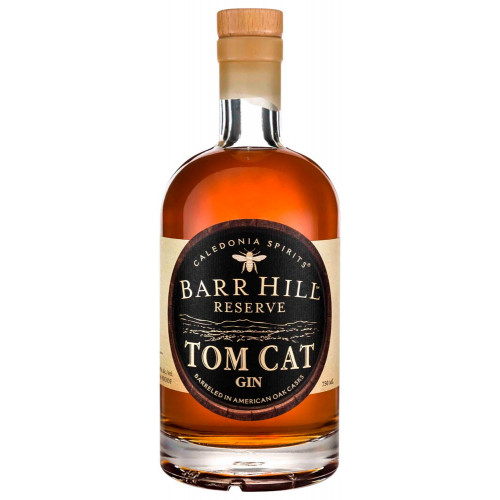
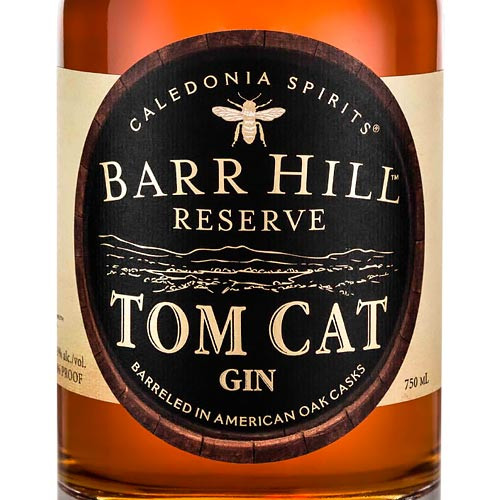
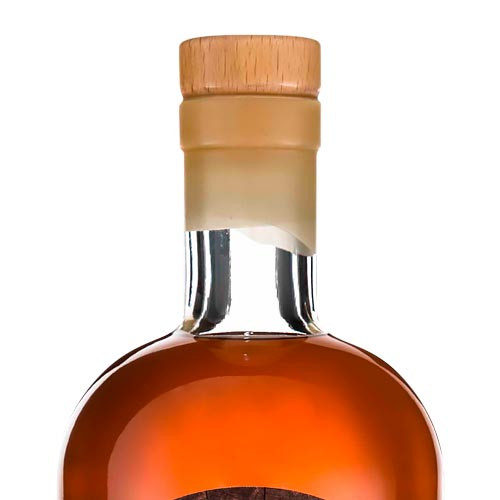
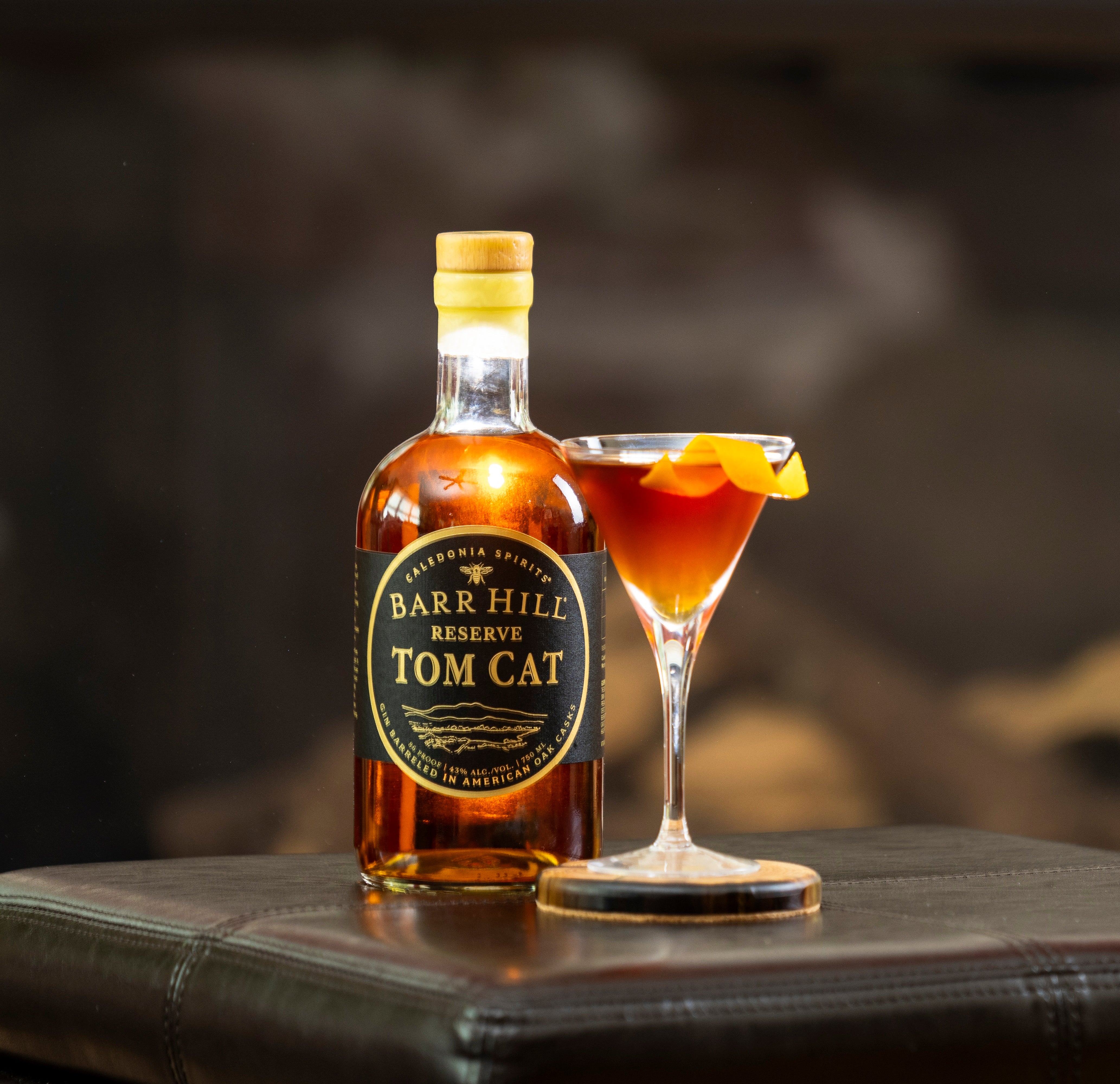
- The bottle: Tom Cat Gin comes in a burnished-amber or rose-gold tinted bottle (or liquid), visually signaling wood-aging and departure from classic clear gin. (vinerepublic.com)
- The pour: in the glass you see warmth, depth — similar to whiskey or aged rum, rather than crystal clear like standard gin.
- The aesthetic: often associated with craft, small-batch distillation, Vermont-origin, raw honey heritage — giving the brand a rustic, artisanal identity (not mass-market). (Fine Wine House)
These visual cues help set expectations: this is a sipping spirit, a hybrid, and a “gin for grown-ups” rather than a light, mixing gin.
Conclusion: Who Should Try Tom Cat Reserve — And Is It Worth It?
After exploring its origins, flavour, strengths, and limitations, here’s my assessment of Tom Cat Reserve Gin, and who it’s best for.
🎯 For whom Tom Cat Gin is a great choice
- Gin drinkers wanting something different: If you like gin but want to explore darker, richer, more layered expressions, Tom Cat offers a compelling alternative — rooted in juniper but expanded via oak and honey.
- Whiskey/whisky fans curious about gin: If you appreciate barrel-aged spirits, smoky or woody notes, but want a botanical/spiced base instead of grains/whiskey mash — Tom Cat bridges both worlds.
- Sippers & slow drinkers: Neat pours, ice, or spirit-forward cocktails let Tom Cat’s complexity shine. For someone who savours rather than quickly drinks, it rewards patience.
- Cocktail-experimenters & mixologists: For creative cocktails — Old-Fashioneds, dark Negronis, seasonal/spice cocktails — Tom Cat is a versatile, bold ingredient.
- People valuing craft, origin, story: If provenance, artisanal production, sustainability, and small-batch distilling matter to you — Tom Cat and Barr Hill’s philosophy deliver identity as much as flavor.
⚠️ When Tom Cat may not be ideal
- If you want a classic gin experience (clear, botanical, crisp, mixable), Tom Cat’s woodiness and sweetness may feel heavy or unbalanced.
- If you prefer high versatility for many cocktail styles — light gin cocktails, long drinks, mixing with soda/tonic — the barrel-aged, resinous profile may dominate or clash.
- If you dislike sweetness, oak, or woody/spiced spirits — the honey + barrel influence might be too strong or “out there.”
- If you’re looking for a budget everyday gin — as barrel-aged gin is more niche and often priced higher, and mixing potential is more limited.
✅ My Verdict
Tom Cat Reserve Gin is absolutely worth it — if you approach it with the right expectations. It won’t satisfy your desire for a delicate, floral, mix-everything gin — but that’s not its ambition. Instead, it offers a thoughtful, complex, bold, hybrid spirit: a gin that tastes of gin’s roots but drinks with a whiskey-like depth.
If I were building a home bar with variety and character — a few bottles for different moods — I’d include Tom Cat. It’s perfect for evenings of sipping, thoughtful cocktails, or as an introduction to the world of barrel-aged gin. For lovers of experimentation, craftsmanship, and flavour — it’s an exciting, worthwhile pick.
If you like, I can also pull up 5–10 bartender-recommended cocktail recipes using Tom Cat Reserve (classic & creative) — could give you a good starter kit to enjoy what’s in the bottle. Do you want me to build that list for you now?

Appleton Estate 8 Year Old Reserve Rum
Appleton Estate 15 Year Old Black River Casks Rum
Blanton's Straight From The Barrel Bourbon Whiskey 


Reviews
There are no reviews yet.