

-
×
 Belvedere Organic Infusions Lemon & Basil Vodka
1 × $42.99
Belvedere Organic Infusions Lemon & Basil Vodka
1 × $42.99
Subtotal: $42.99




$435.99
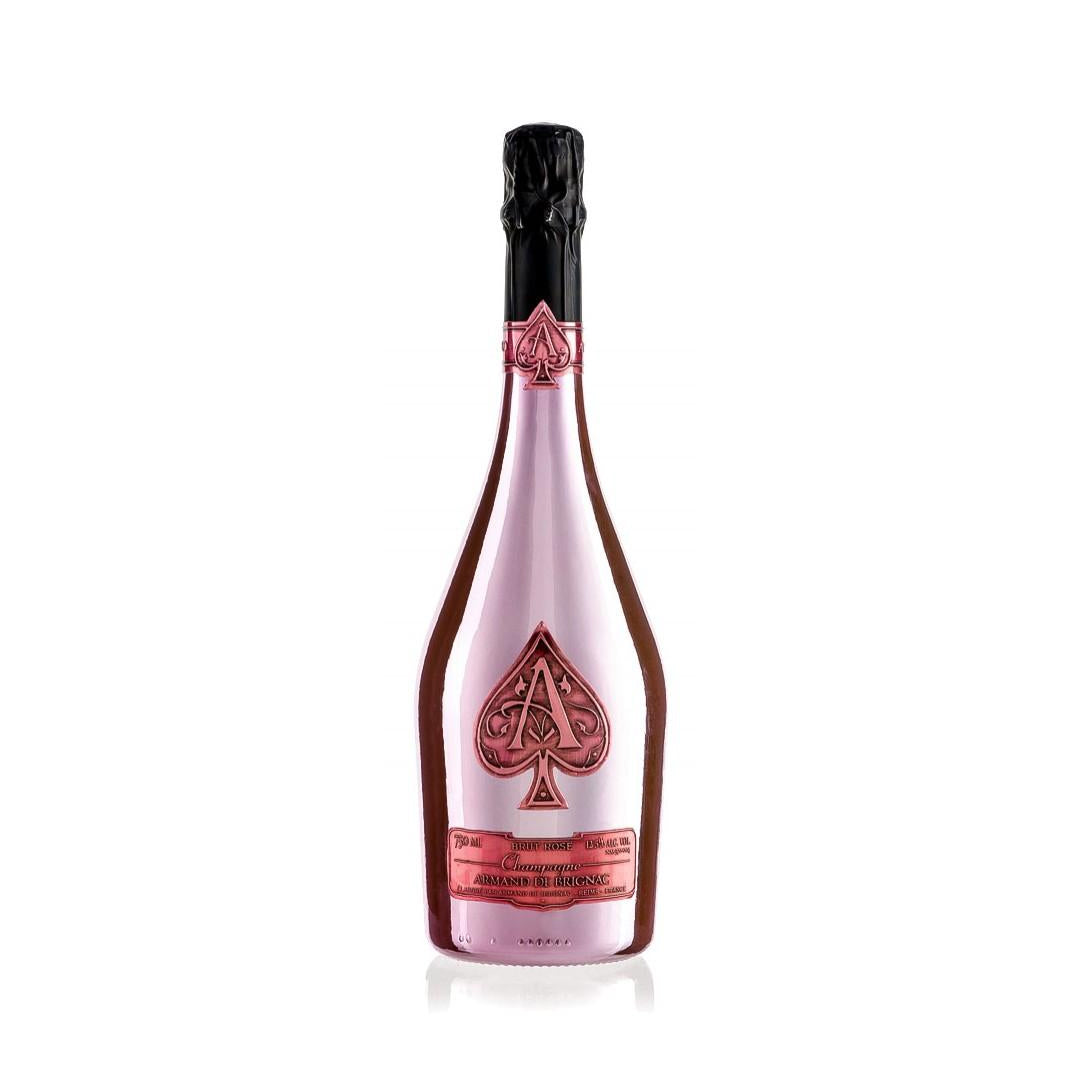
When the conversation turns to luxury Champagne, few labels evoke as much flash, prestige—and debate—as Armand de Brignac’s “Ace of Spades” Rosé. With its distinctive metallic bottle, its celebrity-backed brand profile (including ownership by Jay Z), and its ambitious claims of craftsmanship, this rosé Champagne sits at the intersection of fine wine, marketing spectacle, and collectible fetish. In this article we will explore the full story behind the Armand de Brignac Ace of Spades Brut Rosé, unpacking its provenance, production details, tasting profile, how best to enjoy it, and then dive into the “People Also Ask” questions that dominate Google searches. We will conclude with a reasoned assessment of whether this extravagant bottle is worth it—for drinking, collecting, or both.
The Champagne is produced by the Cattier family in Chigny-les-Roses (Montagne de Reims), one of the prestigious zones in Champagne, France. Their vineyards date back to the mid-1700s. (fr.millesima.ch) The Armand de Brignac brand is marketed under the “Ace of Spades” name (derived from the ace-of-spade symbol embossed on the bottle) and has become a symbol of high-end Champagne in popular culture. (12×75.com)
In 2014, Jay Z purchased the brand. (TIME) The brand leverages both traditional Champagne craftsmanship (vineyards, pressing, cellar aging) and bold luxury branding: metallic bottles, high price points, celebrity endorsements.
The Rosé expression of Armand de Brignac is a prestige offering:
So while the brand has a “luxury flash” persona, the underlying production claims are rooted in aristocratic Champagne tradition: old-vine plots, multiple vintages, use of still red wine (a rosé de saignée or still-wine addition method) and careful cellar work.
Armand de Brignac rose is positioned at the very high‐end of Champagne: both in terms of price and packaging. For example, retail can run US $500+ (or even more in some markets). (delectable.com) It has been referenced in popular culture, hip-hop lyrics, luxury events, and therefore carries a strong “luxury brand” identity.
Some commentators describe the brand as “the Ace of Spades of fine Champagne… a stylised rosé, this has an intriguing character to back it up.” (Decanter)
The Rosé pour reveals a striking salmon-to-deep copper hue—reflective of the inclusion of still red wine and the Pinot Noir dominance. One review described it as “rich salmon colour with an orange tinge.” (Wine) The bottle itself is metallic pink/rose-tinted, another part of its visual identity.
According to Wine.com:
“Wild strawberry, wet stone, fresh flowers… aromas of vanilla and black cherry liqueur…” (Wine)
Decanter:
“An immediately seductive nose of soft spice, red currants and sweet almond.” (Decanter)
Other notes include grilled or smoky undertones, fresh red berries (strawberry, raspberry), blackcurrant, cherry, floral touches, and almond. (ministryofdrinks.co.uk)
So you can expect a layered nose: bright red/fruity top notes + a hint of brioche/pastry + underlying minerality or grilled nuance.
From Wine .com:
“Floral in its aromatics… pillow-y mousse, a darker profile with black cherry liqueur… long finish and well-balanced structure.” (Wine)
Tasting panel:
“A mouthwatering rosé Champagne … savory notes of slivered almond and fleur de sel along with layers of ripe raspberry and black cherry fruit, star anise and orange peel flavors.” (KL Wines)
Tasting descriptors commonly include:
Critical reviews note a “lasting, vibrant finish” with savoury and fruit interplay. (KL Wines) Some caveats: one review says the finish had “wood tones… collonelike scent” initially. (KL Wines) So while the finish is strong, it may show the influence of complex ageing and possibly high red-wine content.
Many commentators suggest that the Rosé will cellar well. For example:
“The Rosé can be drunk now or it can be cellared to develop its character further for around 10 to 15 extra years.” (12×75.com)
Given its premium positioning, aging for 5-10 years may bring additional complexity like toasty, honeyed, tertiary notes.
Here are common “People also ask” questions about the Armand de Brignac Ace of Spades Brut Rosé—with concise answers.
Q1. What is Armand de Brignac Ace of Spades Rosé Champagne?
A1. It is the prestige rosé cuvée from the Armand de Brignac Champagne house (produced by the Cattier family in Chigny-les-Roses, France). The “Ace of Spades” nickname derives from the spade symbol on the bottle. The rosé version is non-vintage, blends multiple years and includes a proportion of still red wine (Pinot Noir) to give the wine its intensity and colour.
Q2. What is the blend or grape composition?
A2. Typical compositions: around 50% Pinot Noir, 40% Pinot Meunier, 10% Chardonnay. Plus about 15% still red wine (Pinot Noir) in many blends. (The Finest Bubble) Some editions show small variation (e.g., 55% Pinot Noir, 20% Meunier, rest Chardonnay). (Wine)
Q3. Is this Champagne good for cellaring?
A3. Yes. While you can drink it now, many producers and reviewers suggest it will develop further complexity over time (10-15 years) thanks to its quality base and rosé structure. (12×75.com)
Q4. What does it taste like?
A4. The wine offers bright red fruit (strawberries, raspberries, cherries), darker berry/black-fruit (black cherry, blackcurrant), floral and almond notes, pastry/brioche undertones, fine mousse, good acidity and structure, and a long finish with fruit/spice/almond/minerality interplay. One review mentions “sweet almond, red currants, intact depth and savoury character.” (Decanter)
Q5. How much does it cost / is it worth the price?
A5. Retail pricing varies by market but is typically well over US $400 (and in some markets much more) for the 750 ml bottle. For example, a listing shows ski-value ~$499-$595. (delectable.com) Whether it’s worth the price depends on your expectations, budget, and how much value you place on the brand, packaging, and story as much as the liquid itself. Some wine-drinkers feel it is excellent; others note the premium pricing and question value. For example, one Reddit user wrote:
“Very good… but massively overpriced.” (Reddit)
Q6. What vintage is it?
A6. The Rosé is non-vintage (NV). However, blends often include specific base years (e.g., 2009-2010-2012 in one edition) or other combinations depending on release. (Decanter)
Q7. What dosage (sweetness level) does it have?
A7. Some data indicate around 8.5 g/L dosage for certain editions. (fr.millesima.ch) Other listings mention 9.5 g/L. (The Finest Bubble) So it is in the moderate dosage range for Champagne (Brut) rather than ultra-dry or zero dosage.
Q8. How does it compare to other rosé Champagnes?
A8. It competes in the “prestige cuvée” rosé category (top tier pricing) and is marketed accordingly. It stands out for its branding and bottle design, strong red-fruit profile, and luxury positioning. Some wine critics believe the liquid quality is high; others feel you can get comparable quality from other producers for less. For example, one critic:
“I think it would do quite well blind against almost any <$100 NV, but the $300 they charge is absurd considering you can get Krug Grande Cuvée … for less.” (Reddit)
Q9. What food pairs well with this Champagne?
A9. Classic pairings include: truffled veal, duck confit, wild salmon, lobster, sashimi, salmon tartare, fine cheeses, desserts (raspberry mousse, strawberry tart). (Wine)
Q10. Why is the bottle so expensive / what drives the price?
A10. Several factors:
The Armand de Brignac Rosé sits among the highest tier of non-vintage rosé Champagnes—luxury goods rather than everyday bubbles. A 2023 article in Food & Wine grouped it alongside ultra-premium bottles in the “splurge” category. (Food & Wine)
As with many luxury wines, the pricing is skewed:
“Way overpriced like damn near every celebrity brand.” (Reddit)
Because of its price and presentation, this Champagne is often used for celebrations, gifts, luxury events, or display rather than routine consumption. For example, the bottle shows up at VIP events, night-clubs, and high-profile social media posts. It functions partly as a status symbol.
In concluding, here’s my balanced verdict:
If you are:
If you are:
My personal take: I’d buy this bottle if I had a memorable event, a dinner with fine food, or a celebration worthy of the bottle—and I had the budget for it. I would savour it slowly (neat, proper glassware, with good food) rather than open it in a casual setting. If I were paying full premium (e.g., US $500+), I’d ask myself: “Am I buying the wine or the brand?” If the answer is “both,” then it’s worth it. If I’m buying purely for flavour, maybe a slightly less dramatic (but still excellent) rosé Champagne would suffice.
So yes: the Armand de Brignac Ace of Spades Brut Rosé is worth considering, but only by conscious decision—not by default. Drink it, celebrate it—and let it be an experience, not just a status symbol. Cheers! 🥂
 Belvedere Organic Infusions Lemon & Basil Vodka
1 × $42.99
Belvedere Organic Infusions Lemon & Basil Vodka
1 × $42.99 Subtotal: $42.99




Reviews
There are no reviews yet.