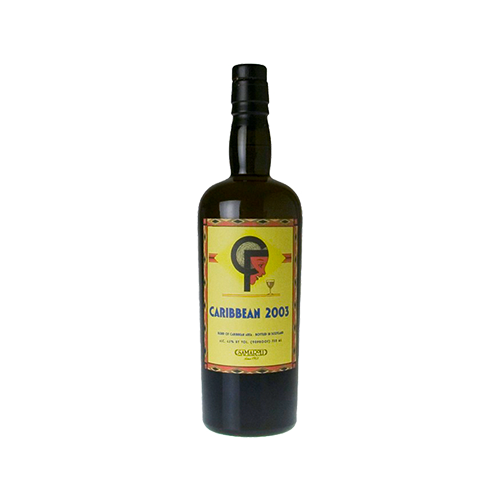
Samaroli Caribbean Rum 2003
Samaroli Caribbean Rum 2003 – Overview
Samaroli is an Italian independent bottler (originally founded by Silvano Samaroli) known for selecting casks of rum (and whisky) from different distilleries around the world, ageing them (often in climates outside the tropics), and bottling them—frequently with limited editions and vintage‑dated releases. (Caskers)
The Samaroli Caribbean Rum 2003 is one of their vintage blends / bottlings of rum. Key facts:
| Feature | Detail |
|---|---|
| Vintage | 2003 (distillation year) (Inu A Kena) |
| Bottled | In 2011 (most sources say) after ageing in Scotland (non‑tropical climate) (Inu A Kena) |
| ABV / Proof | 45% ABV = 90 proof (seattlespiritssociety.com) |
| Outturn (number of bottles) | 648 bottles produced. (Caskers) |
| Origins / Blend | A blend of rums from Guatemala, Nicaragua, Panama, Venezuela, and Cuba—with Cuba said to be the most dominant in the blend. (Classic Liquor Shop) |
| Maturation climate | After selecting and ageing partially in the Caribbean area, the rum was transported to Scotland, where it matured further (for about 7‑8 years) in cooler climate, which Samaroli claims helps avoid over‑woodiness. (Uncommon Caribbean) |
What People Also Ask / Frequently Asked Questions (PAA) & Answers
Here are common questions that people search about Samaroli Caribbean Rum 2003, along with what the sources tell us (or where there is uncertainty).
- What is the origin of Samaroli Caribbean Rum 2003?
Answer: It is a blend of Caribbean rums from multiple countries: Guatemala, Nicaragua, Panama, Venezuela, and especially Cuba, which appears to be the dominant component. The rums were selected, bottled, and matured partly in the Caribbean, then transported to Scotland for further maturation. (Classic Liquor Shop)
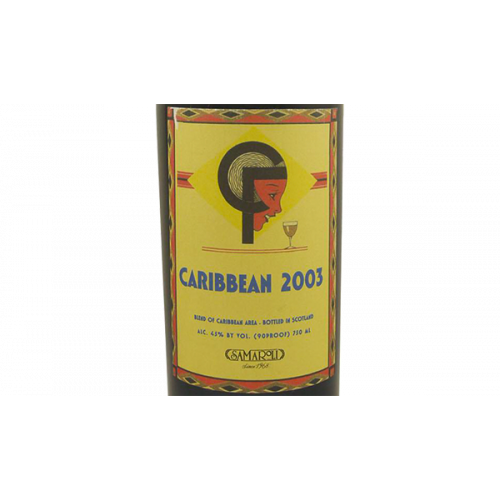
Note: In some markets the label says “Blend of Caribbean area – Bottled in Scotland.” In European markets, it’s more clearly indicated to have Cuban component; in the U.S., sometimes the Cuban aspect is downplayed. (Uncommon Caribbean)
- How many bottles of Samaroli Caribbean Rum 2003 were made / how rare is it?
Answer: There were 648 bottles produced. (Caskers)
Because this is a limited vintage release with a modest outturn, it’s considered fairly rare among collectors. (Inu A Kena)
- What is its alcohol content / proof?
Answer: It is bottled at 45% ABV, which equals 90 proof. (seattlespiritssociety.com)
- How is Samaroli Caribbean 2003 matured? What is special about its aging?
Answer:
- After distillation in 2003 and an initial period of aging (presumably in the Caribbean or tropical environment depending on the rum’s origin), Samaroli transported selected casks to Scotland. There, due to the cooler climate (cold winters, mild summers), aging continues in a way that tends to slow down certain wood‑derived influence (i.e. the aggressive tannins, over‑oakiness) compared to hot and humid tropical storage. This is claimed to yield a more balanced, elegant maturation. (Classic Liquor Shop)
- The rum was bottled around 2011, which suggests that from distillation (2003) to bottling, there are roughly 8 years of aging in “continental” or cooler climate for at least part of its lifespan. (Uncommon Caribbean)
- What does it taste like? What are the tasting notes?
Answer: There are a number of tasting notes from sources and reviewers. Here is a summary with some of the recurring descriptors:
- Appearance / Colour: Light gold tone, suggesting natural colour (or at least minimal wood stain), indicating perhaps moderate influence from barrel (given cooler maturation) but not heavily wood‑driven. (Inu A Kena)
- Nose (Aroma):
- Fruit elements: pineapple, citrus (lemon zest), sweet apples, honeydew, melon. (Inu A Kena)
- Stewed fruits, caramel apple. (Classic Liquor Shop)
- Spice: nutmeg, possibly pepper, cinnamon. (Inu A Kena)
- Some smoke, faint briny / sea‑air / oceanic note in some reviews. (Inu A Kena)
- Palate (Taste):
- A sweet fruit basket: pineapple, citrus, apples, perhaps honey. (Inu A Kena)
- Richness: cane syrup, jamminess, caramel, nougat, figs. (Classic Liquor Shop)
- Spice and heat: black pepper, allspice, some warming wood/oak influences. (Inu A Kena)
- Umami / briny notes—some reviewers mention a buttery‑umami flavour, smokiness with balancing sweet & salty. (Inu A Kena)
- Finish: Long, elegant. Vanilla, brown sugar, possibly nutmeg or spice lingering, and a touch of smoke & perhaps sea air. The finish often described as smooth but with enough backbone. (Classic Liquor Shop)
Some of the reviews are more tempered: not everyone finds it perfectly balanced, some mention a “burn” or more strength up front with the 45% ABV (though that is moderate, not ultra high). (seattlespiritssociety.com)
- Is it aged in barrels in Scotland, and why Scotland?
Answer: Yes, part of its ageing is done in Scotland. After initial ageing / selection in the Caribbean region, the casks are transported to Scotland for additional maturation. The rationale is that Scotland’s cooler, damp, and generally temperate or cold climate slows the interaction between rum and wood, lessening over‑oaking, and giving more subtle wood influence and preserving more of the original rum characters. (Classic Liquor Shop)
- Is this rum “Cuban rum” or does it include Cuban rum?
Answer: Yes — among the blend of Caribbean rums included, the Cuban component is said to be dominant in Samaroli Caribbean Rum 2003. In many European markets the label explicitly references Cuba; in some U.S. markets, the labeling is more vague (e.g. “Blend of Caribbean Area”) possibly due to trade / regulatory restrictions. (Uncommon Caribbean)
- How much does it cost / what is its market value / is it a good investment?
Answer:
- Listed prices vary heavily depending on region, availability and retailer. Some current offers list it around US$248.99 for 750ml in U.S. markets when available. (Caskers)
- Other listings (especially outside the U.S.) have much higher pricing, reflecting rarity, import costs, and collector demand. (Classic Liquor Shop)
- Because only 648 bottles exist, its limited availability contributes to collector value. If well kept, bottles may appreciate. But as always with spirits, condition, provenance, storage matter.
- How drinkable is it (neat, with water, finish etc.)?
Answer: It is generally considered a sipping rum. Given its flavour profile, moderate ABV (45%), and refinement from cooling maturation, many reviewers advise drinking it neat (or perhaps with a few drops of water) so you can appreciate the fruit & spice & wood balance. It is not a rum meant to be hidden in mixers. The finish & aroma are delicate enough that dilution may wash them out, so minimal assistance (if any) is preferred. (Inu A Kena)
- What are criticisms / possible downsides noted by reviewers?
Answer:
- Some perceive a “burn” or stronger alcohol hit early in tasting (though this is less pronounced after letting the rum breathe). (seattlespiritssociety.com)
- A few find the finish, while elegant, not as powerful or long as they might expect given the vintage / price. (seattlespiritssociety.com)
- Some suggest that, despite its maturity, it may lack boldness / “oomph” compared to other more over‑proofed or more heavily wood‑aged rums. But that is often balanced by its elegance. (seattlespiritssociety.com)
Additional Details & Context
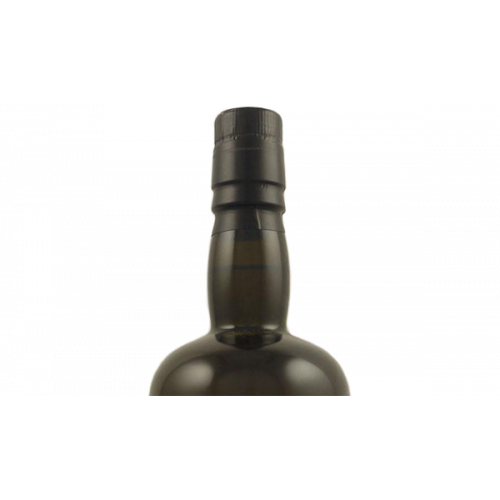
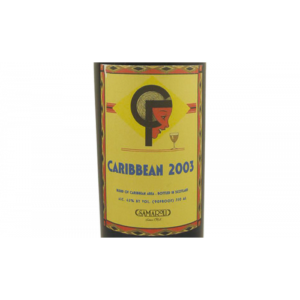
- Label / Presentation: The bottle design is described by reviewers as elegant, with a tall, upright form, wood‑topped stopper, simple but vintage‑inspired label artwork. (Inu A Kena)
- Why Scotland? As mentioned, Samaroli has used non‑tropical maturation to complement tropical ageing, as cooler climates slow extraction from wood, reduce oxidation & evaporation compared to hot, humid climates, which helps preserve nuance over longer ageing. This “double maturation” or “extended maturation out of tropics” approach is part of what gives this bottling its distinction. (Uncommon Caribbean)
- Legal / Trade nuances: Because of political history and trade restrictions involving Cuba, some labeling for U.S. market bottles is more circumspect (not stating Cuba explicitly) under “Blend of Caribbean area.” Reviewers sometimes refer to the Cuban origin in a more clandestine or “in disguise” manner. (Uncommon Caribbean)
Praise & Reception
- Many reviews are positive. Inu A Kena gave it very high marks, especially for its nose, balanced fruit and spice, and finish. (Inu A Kena)
- The Seattle Spirits Society rated it decently (~3.19/5) with praise for its body and sweetness, though mention that it has a “harsh bite” for some. (seattlespiritssociety.com)
- It is often seen as a bottle that combines elegance and vintage character rather than brute strength — appreciated for its nuance rather than overpowering boldness.
What It Isn’t / What We Don’t Know For Certain
- The exact breakdown by age of each rum in the blend (e.g. how old were the Cuban portion vs Guatemalan, etc.) is not fully disclosed.
- Whether additives like sugar or coloring were used (public sources for this bottle tend to imply minimal intervention, but no definitive statement is commonly available).
- Exact cask types for all components (e.g. were they ex‑bourbon, ex‑sherry, new oak, etc.) are not fully detailed in the sources I found.
- How the bottle holds up many years after opening—i.e. whether the aromatics fade quickly or maintain — anecdotal, but not systematically documented.
Tasting Profile Example (expanded)
To give a fuller sense, here’s a more detailed walkthrough as you might experience tasting the rum:
- Appearance / Glass: Light gold, some soft amber, not overly dark. The legs are fine, thin, indicating moderate viscosity.
- First Nose: You get smoke and sea air / sea‑weed / brine, followed by citrus zest (lemon), pineapple and sweeter fruit like apples or honeydew. Some light oak, vanilla, and caramel apple.
- Palate / Sip: Initial warmth (due to alcohol), then fruit opens: pineapple, citrus, apples, maybe peach. Sweetness from cane syrup, honey or jam, caramel. Under that there’s spice: black pepper, nutmeg, maybe cinnamon. Also, a savory or umami side: buttery or briny touches, slightly smoky. Oak support: wood spice, mild dryness.
- Finish: Lengthy, with vanilla, brown sugar, lingering fruit, perhaps citrus peel, softened wood, a bit of smoke, maybe a saline whisper. It remains elegant, not aggressive.
Value & Collector / Investment Considerations
- Because only 648 bottles exist, supply is small. For collectors of Samaroli or vintage rums, this rarity adds desirability. (Caskers)
- Price tends to be premium: in some listings ~US$250+ in the U.S. when available. For many, the cost is justified by the vintage, quality, and uniqueness. But as with all limited bottlings, condition (bottle fill, provenance, storage) matters to value. (Caskers)
- In secondary markets, pricing can be much higher depending on region, import costs, scarcity.
Comparison to Related / Similar Rums
- Compared to other Samaroli bottles, this one is less about “extreme over‑proof / heavy wood” and more about vintage blend, refinement, and elegant aging.
- Compared to typical Caribbean rums aged entirely in tropical climates, this one’s temperate finish in Scotland gives it more restraint: less over‑oaky harshness, more subtlety.
- If you compare with other Cuban‑or Cuban‑blend vintage rums, Samaroli’s style tends to add nuance via non‑tropical finishing, so the wood, fruit, and spice interplay is somewhat different.
Conclusion
Samaroli Caribbean Rum 2003 is a distinctive and well‑regarded vintage bottling that will appeal especially to rum lovers who appreciate nuance, vintage character, and a balance between fruit, wood, spice, and subtlety rather than sheer power.
Its strengths include:
- A refined blend of multiple Caribbean sources (notably Cuban dominance), bringing rich flavour diversity.
- The maturation partly in Scotland adds an extra dimension: cooler ageing which tempers the rawness that tropical ageing might produce alone.
- Elegant tasting profile: fruit, spice, oak, briny / sea notes, smoke—layers that reveal over time rather than hit you all at once.
- Limited production (648 bottles), making it collectible and special.
Challenges or things to consider:
- The price is high relative to more readily available rums; scarcity pushes cost up.
- Some early strength / heat in flavour for those sensitive to alcohol presence.
- If you prefer very bold, punchy rums with heavy oak or very high proof, this might feel more “gentle” in comparison.
Is it worth it? If you enjoy sipping fine rum, exploring subtleties, and collecting vintage blends, then yes, this bottle offers enough quality, character, and uniqueness to justify its cost. If instead you’re mainly interested in rums for cocktails, or prefer big power over nuance, then there are less expensive rums that deliver strength and flavor (though perhaps not the same elegance or rarity).

Dictador 2 Masters Glenfarclas 1972 Colombian Rum 


Reviews
There are no reviews yet.