Rémy Martin Louis XIII Cognac
Rémy Martin Louis XIII Cognac: A King among Spirits
Louis XIII by Rémy Martin is one of the world’s most iconic, exalted cognacs. More than just a high‑end brandy, it is a symbol of craftsmanship, time, heritage, and luxury. From its vineyard roots in the prestigious Grande Champagne cru, through decades of aging in rare oak casks, to its ornate Baccarat or crystal decanter, Louis XIII is as much about story and ritual as it is about what’s in the bottle.
History and Origins
- Founding of Rémy Martin: The house was founded in 1724 by Rémy Martin, in the Cognac region of France. (Wikipedia)
- Naming “Louis XIII”: The name pays tribute to King Louis XIII, who reigned when the Rémy Martin family settled in the Cognac region. It reflects the period in which cognac as we know it began getting recognized as a distinct spirit. (Wikipedia)
- Creation of Louis XIII as a Cognac: In 1874, Paul‑Émile Rémy Martin formalized a blend of his best eaux‑de‑vie from Grande Champagne in a decanter, designating them “Very Old, Age Unknown,” which later evolved into Louis XIII. This bottling was meant to represent the pinnacle of what the house could produce. (Wikipedia)
Terroir, Grapes & Distillation
- Grande Champagne Cru: All eaux‑de‑vie for Louis XIII come from Grande Champagne, which is considered the premier cru for cognac. The soils are chalky, limestone‑rich, which imparts a certain finesse, longevity, and aromatic clarity. (Club Oenologique)
- Grape variety: Primarily Ugni Blanc grapes distilled in small, traditional copper pot stills. The precise grape mix matters less than the origin and the terroir. (Club Oenologique)
Ageing & Blending Process
- Eaux‑de‑vie ages: The blend includes up to about 1,200 individual eaux‑de‑vie, many aged between 40 and 100 years. (Wikipedia)
- Cask type: Ageing takes place in “tierçons” – large, thin‑walled French oak casks (Limousin oak), historically used for maritime transport, that lend specific flavor, texture, and slow maturation. Some of these tierçons are extremely old themselves (100‑150 years plus). (Club Oenologique)
- Different cellars / micro‑environments: The eaux‑de‑vie are stored in many different cellars (chais), each with slightly different humidity, temperature and airflow. This variety in microclimate adds complexity. The cellar masters move casks or choose sources based on these conditions. (NUVO)
Packaging & Presentation
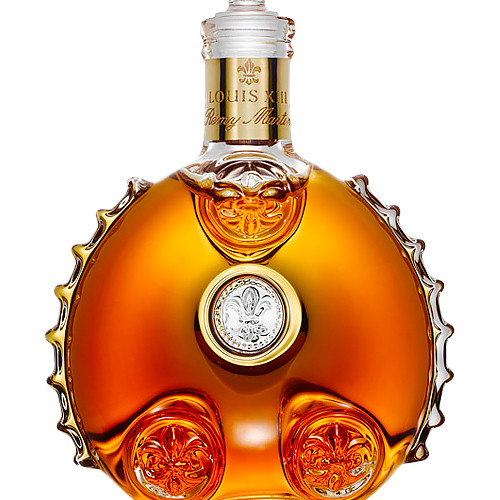
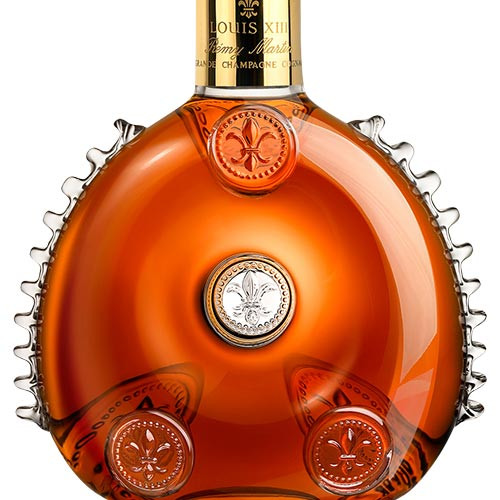
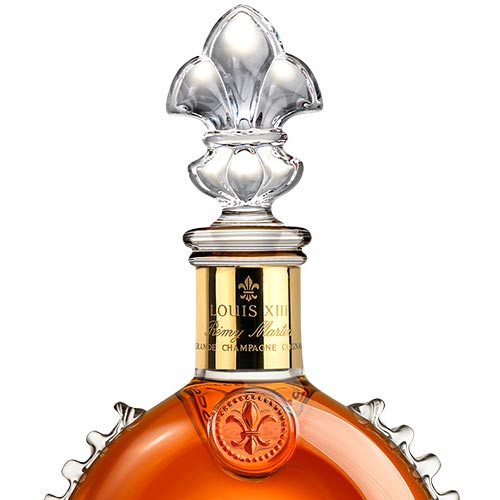
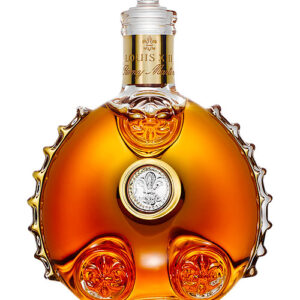
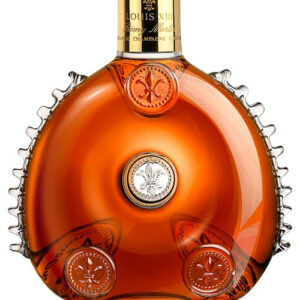
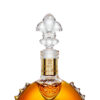
- Decanter: Each bottle comes in an ornate crystal decanter, often made by Baccarat, Saint‑Louis or Cristallerie de Sèvres. The design is a reproduction of a metal flask reportedly found on the site of the Battle of Jarnac (1569). (Wikipedia)
- Sizes/formats: Available in different sizes—miniatures (50 ml), classic (700‑750 ml), Magnum (1.5 L), Jeroboam (3 L), even Mathusalem (6 L). (Wikipedia)
- Limited/rare editions: Occasionally, Rémy Martin releases special editions like “Rare Cask” which vary in strength, decanter design, or are produced in extremely limited quantities. (La Revue du vin de France)
Tasting Profile & Aroma
- Nose: The bouquet is typically layered. Early floral notes (jasmine, violet, iris), dried fruits, candied peel, honey, sometimes old port, cigar box, woody spices. (Cognac Only)
- Palate (Taste): Rich and complex. Honey, nuts (almond, walnut), dried fruit (figs, orange peel), spices (nutmeg, cinnamon), sandalwood, subtle wood bark, perhaps leather or tobacco. Over time in the glass, tropical fruit undertones (mango, pineapple) might emerge. (Club Oenologique)
- Finish: Very long and evolving. The finish may show oak, rancio (that oxidative, nutty character found in very old cognacs), leather, spices, with subtle sweetness that lingers. (Distiller – The Liquor Expert)
“People Also Ask” Questions (FAQs) with Answers
Here are common questions people ask about Louis XIII and detailed answers.
| Question | Answer |
|---|---|
| How old is Louis XIII Cognac? | The eaux‑de‑vie that make up Louis XIII are generally aged between 40 and 100 years. There is no single “vintage” year for the product, since it is a blend chosen from many casks of different ages. (Wikipedia) |
| Is Louis XIII worth the price? | This depends on what you value. If you appreciate historical craftsmanship, extremely long ageing, rarity, and the ritual of luxury, many believe the price is justified. If you’re looking purely for drinking value per milliliter or flavor alone, there are cheaper cognacs that may appeal similarly. But Louis XIII is more than just liquid—it is prestige, artistry, and heritage. |
| What makes Louis XIII different from other cognacs? | Several things: exclusive sourcing from Grande Champagne (one of the finest crus); the use of tierçons (special ancient oak casks); the extremely long ageing (forty‑plus to a century); the blending of many eaux‑de‑vie to achieve consistency despite changing conditions; exquisite decanters; and a multigenerational lineage of cellar masters ensuring legacy. |
| How should one drink Louis XIII? Neat or with something? | Traditionalists recommend it neat (no dilution, no mixers), in a suitable glass (wide bowl to allow aroma development), sipping slowly to appreciate its layers of aroma and flavor. Some might add a drop of water or ice, but this is rare and might mask some delicate notes. Also, proper glassware, proper temperature (room or slightly below) and pouring method (slow, small amount) help. |
| Does Louis XIII get better with bottle age? | No. Once in bottle, cognac does not age the same way it does in wood. The transformation in flavor, aroma and complexity comes during barrel aging. After bottling, the cognac will maintain its character, but it won’t mature further. However, storage conditions (temperature, light, uprightness, seal tightness) do affect how well it retains its quality. |
| How much does Louis XIII cost? | The price varies by country, retailer, edition and format. A regular 70‑cl classic decanter is often priced in the thousands of euros or dollars. For example, certain special editions (like “Rare Cask”) can cost well over €18,000–€20,000 for limited releases. (La Revue du vin de France) Also, listings show ~€3,985 for a 70cl in some markets. (La Grande Épicerie) |
| What is the ABV (alcohol by volume) of Louis XIII? | It is 40% ABV. (Wikipedia) |
| What are the special editions, and what makes them rare? | Special editions such as “Rare Cask”, or variants with unique decanters or slightly different ABVs (e.g. 42.1) are produced in very limited quantities. They might use eaux‑de‑vie from particular tierçons, or highlight certain characteristics of aging, or have different artistic packaging. These are collector items. (La Revue du vin de France) |
| Where is Louis XIII produced? | In Cognac, France—more precisely from the Grande Champagne region. The eaux‑de‑vie are aged in tierçons in multiple cellars (chais) owned or managed by Rémy Martin, including estates like Domaine du Grollet. (Club Oenologique) |
| How rare is Louis XIII? Is it widely available? | It is rare relative to many commercial spirits, but not impossible to find in major cities, luxury liquor stores, duty‑free, or high‑end bars and restaurants. Availability depends heavily on the country (import regulations, taxes) and the edition. Limited‑edition bottles are much rarer and often only offered to selected retailers or clients. |
Variants & Notable Editions
- Classic Louis XIII: The standard decanter, 70cl, 40% ABV, the “base” expression that most people will encounter.
- Rare Cask: A more exclusive variant, often with slightly different strength (for example, 42.6% ABV in some releases), often limited in bottle count, more expensive. (La Revue du vin de France)
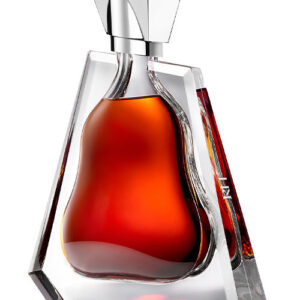
- Collector’s decanters and formats: Larger formats (Magnum, Jeroboam, Mathusalem) or special decanters with artistic designs, commemorative editions. These increase cost both due to content and because the decanter itself is a work of art.
Price & Market
- General pricing: The classic 70cl bottle is typically in the thousands of euros or dollars (or equivalent). Some markets will see it cheaper or more expensive depending on import tax, luxury taxes, scarcity.
- Special editions: As noted, some special editions (Rare Cask, etc.) go for extremely high prices—roughly €18,000‑€20,000 in some European markets for limited bottles. (La Revue du vin de France)
- Resale / Collectors: Because of scarcity and prestige, there’s an active collector market. The value of older decanters, rare editions, or pristine preservation can significantly exceed retail.
Cultural Significance & Ritual
- Symbol of status and luxury: Louis XIII isn’t just a drink—it’s luxury, prestige. It often features at grand events, high‑end restaurants, in gift exchanges among elites.
- Rituals & presentation: The decanter, the glassware, the pouring—these are parts of the experience. Sometimes there are branded accessories, crystals, special packaging meant not just to contain but to present.
- Connection to time & heritage: The idea that the cognac you are drinking was distilled before some of your great‑grandparents were born; that it has been aging through wars, through multiple cellar masters. That intangible connection is part of the allure.
People Also Ask: More Nuanced Questions
Here are some other questions people often wonder, and more detailed responses.
Does Louis XIII have terroir influence even after blending so many eaux‑de‑vie?
Yes. Though the blend combines many eaux‑de‑vie, all are from Grande Champagne, so there is a consistent terroir baseline: chalky soils, particular microclimates. The individual eaux‑de‑vie age in different cellars (chais) with varying humidity and air flows, which creates subtle variation. The blending is done by the cellar master to ensure that the overall house style remains consistent, yet nuanced. (Club Oenologique)
How does the maturation in tierçons differ from regular barrels?
Tierçons are large, thin‑walled casks (of French oak, often Limousin oak) originally designed for transport or historical use, which allow slower and more gentle interaction of the spirit with wood. Their size, wood porosity, shape, and wall thickness affect how oxygen interacts, how wood compounds leach into the cognac, and how evaporation (the “angel’s share”) influences maturation. Because they are rarely produced nowadays, maintaining and restoring them is also part of the craft. (Club Oenologique)
How much of Louis XIII production is set aside from Rémy Martin’s total volume?
Very little. Only a small fraction of their eaux‑de‑vie are eligible for or chosen for Louis XIII; many casks are evaluated over decades to determine whether they meet the needed quality, age, and character. It’s a meticulous selection process over generations. (NUVO)
How to store a bottle of Louis XIII?
- Store upright, to protect the crystal decanter (and cork/seal).
- Keep it in a cool, stable temperature environment, avoiding heat cycles; avoid direct sunlight. Light can degrade some compounds.
- Once opened, consume reasonably: while alcohol prevents spoilage, prolonged oxidation (especially when the level gets low) can diminish aroma and flavor.
- Rare decanters and large formats might have specific packaging that helps preserve quality.
When to open / how long after opening is it good?
There’s no expiration in the sense of “goes bad,” but over time (months to years) once opened, some delicate aromas can fade. If the bottle is mostly full, and stored well, it will retain its character for longer. If it’s heavily consumed (low volume), oxidation and exposure (air, temperature) will more quickly affect quality.
What Critics & Experts Say
- Many experts praise Louis XIII for its depth and complexity. It’s often described as having layers of flavor that evolve in the glass, often showing different things on the nose, palate, and finish. (Distiller – The Liquor Expert)
- Criticisms often revolve around price–some argue the cost is more for prestige than taste; others suggest that while it is superb, there are very good cognacs at far lower cost that offer much of the sensory pleasure.
- For many, part of the experience is not just taste but the ritual, history, and luxury branding.
A Detailed Exploration: Variants like “Rare Cask”
An example: Louis XIII Rare Cask 42.6 — this is a special edition, rare, limited number of bottles, distinguished by ABV (42.6% in this case) and often slightly different in aromatic emphasis because of selection of certain eaux‑de‑vie. (La Revue du vin de France)
- Price is much steeper than the standard edition; only a few dozen to few hundred bottles are released.
- Collectors consider these editions significant not just for the liquid but for the decanter, packaging, provenance (which tierçons, which cellars, etc.).
Price Examples
To give you concrete numbers:
- Classic 70cl bottle: several thousand euros/dollars in many places. For example, one listing shows ~€3,985 for 70cl. (La Grande Épicerie)
- Rare edition: “Rare Cask” editions can go for €18,000‑€20,000 or more. (La Revue du vin de France)
- Smaller formats (miniatures) are less expensive in absolute amount, though cost per ml is still high due to rarity and prestige.
Frequently Asked: Is Louis XIII a Vintage Cognac?
No, in the usual sense. It isn’t bottled in one vintage year. It is a blend of many eaux‑de‑vie from numerous years (decades), all from the same cru (Grande Champagne). So it lacks a single vintage date, but many components are significantly old. This blending is essential to its style and consistency. (Club Oenologique)
Comparison: Louis XIII vs Other Top Cognacs
- Other luxury cognacs (e.g. from Hennessy, Martell, etc.) may also have very aged offerings, but Louis XIII is distinctive for its consistent use of Grande Champagne, exclusive reliance on very old tierçons, and the blending of many eaux‑de‑vie reaching 100 years old.
- Flavor profiles tend to go deeper: more rancio, more dried fruit, more wood complexity, more evolution in the glass.
- Rarity and price are higher for Louis XIII’s top editions versus many others.
Iconic Moments, Culture & Collecting
- Louis XIII has been part of historic celebrations and has been presented to royalty or dignitaries. It often is gifted in extremely luxurious packaging. (Manila Wine)
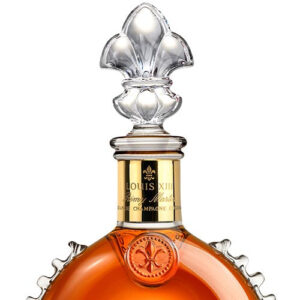
- It is sought after by collectors not only for its liquid but for the decanter (crystal), the label, the stopper, the provenance (which batch, which edition).
- It also features in luxury branding, partnerships (high‑end restaurants, events), sensory rituals.
Challenges & Criticisms
- Cost: Possibly the biggest barrier. The price is very high, sometimes out of reach except as a luxury purchase or status symbol.
- Diminishing returns: For many drinkers, the extra price may not proportionally translate to perceivable extra enjoyment over less aged, less exclusive cognacs. Taste is subjective.
- Availability: In many countries, import taxes, distribution, and licensing make it scarce or very expensive. For special editions or rare releases, even more so.
- Perception vs. reality: Some may buy for prestige rather than full sensory appreciation; this can lead to criticisms of “price tag vs flavor.”
Conclusion: What Makes Louis XIII So Special
Louis XIII by Rémy Martin occupies a rare space: part spirit, part heritage piece, part luxury object. Here are the key takeaways:
- Time as ingredient: Decades (40‑100 years) spent in casks, crafted over generations, make time itself part of the flavor.
- Master blending and continuity: Even though each year the terroir/weather/temperatures change, the dream is to produce a consistent identity. This is achieved via meticulous selection and blending by the cellar masters, who often apprentice to their predecessor.
- Artisan craft: From the vineyards, through oak procurement, to building/restoring tierçons, decanter design, crystal work, the whole process is artisanal.
- Rarity and prestige: Because only a tiny fraction of Rémy Martin’s eaux‑de‑vie are used in Louis XIII, and because of the long aging, it’s rare. That rarity adds meaning for many.
- Experiential value: Drinking Louis XIII is not just about consuming alcohol—it is about ritual, occasion, sensory exploration, and symbolic luxury.
If you enjoy fine spirits, have patience for subtlety, and appreciate craftsmanship, Louis XIII is more than worth considering. If you’re simply chasing a strong or fruity cognac for casual drinking, many alternatives might offer more “bang for buck,” but won’t carry the same gravitas.
Possible Future & What to Watch For
- More special editions with slight variations in decanter or strength (e.g. ABV) are likely.
- Increasing emphasis on sustainability: Rémy Martin already works with environmental certifications (e.g. HVE) and vineyard partners, which may impact grape sourcing, vine practices, oak sourcing. (UK)
- Experience‑based offerings: tastings, master classes, immersive cellars visits, possibly more digital or virtual experiences to explain the history and craft.
- Aging stock & inventory constraints: as very old eaux‑de‑vie become rarer, selection may get more challenging, potentially pushing prices yet higher or further limiting editions.


Reviews
There are no reviews yet.