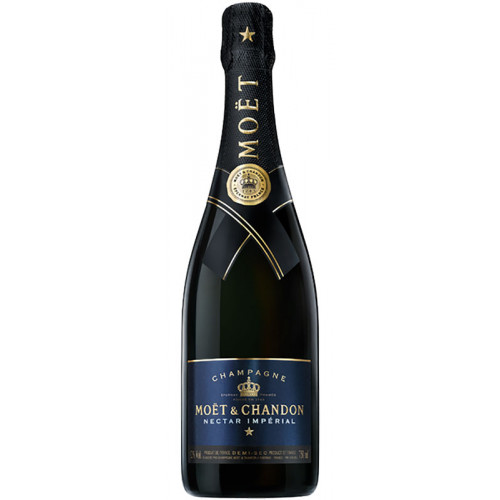
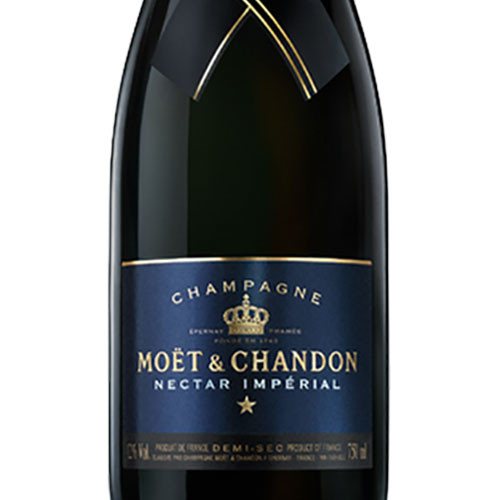
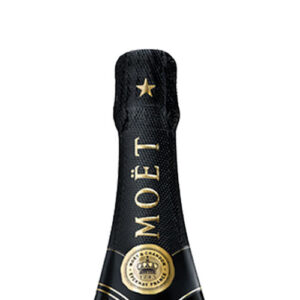
Moët & Chandon Nectar Impérial Demi-Sec Champagne
Here is a comprehensive article on Moët & Chandon Nectar Impérial Demi-Sec Champagne — exploring its origins, production, tasting profile, food pairings, critical and popular reception, common Google-style questions (“People Also Ask”), and a conclusion.
1. Introduction
Moët & Chandon Nectar Impérial is one of the most expressive and daring champagnes in Moët’s portfolio. Unlike the more classic “Brut Impérial,” Nectar Impérial is a demi-sec Champagne, meaning it has a higher sugar (dosage) level, which gives it an opulent, fruit-rich, and velvety profile. This champagne is designed to emphasize sweetness, fruit, and generosity, while still retaining the vibrancy, finesse, and elegance that define Moët & Chandon’s house style.
Nectar Impérial is often described as the “most exotic” or “most original” Moët: its tropical fruit aromas, rich texture, and warm golden appearance make it ideal for pairing with sweet or savory dishes, festive celebrations, desserts, or even as a luxurious aperitif. In this article, we’ll dive deep into everything you might want to know about Nectar Impérial, including its winemaking, tasting notes, how to serve it, what foods go with it, what critics and drinkers say, and the top questions people ask.
2. History & Maison Background: Moët & Chandon
To understand Nectar Impérial, it helps to understand the house that produces it.
- Moët & Chandon is one of the most famous Champagne houses in the world, based in Épernay, France.
- The house’s signature style emphasizes fruitiness, fullness, and a certain brightness or vivacity.
- Moët & Chandon has a rich history of creating a variety of cuvées that reflect different flavour profiles: from very dry (like Brut Impérial) to sweeter, richer styles like Nectar Impérial.
- The “Impérial” range (which includes Brut Impérial, Nectar Impérial, Rosé Impérial, and more) represents Moët’s core expressions — combining reserve wines, a large blending palette, and careful dosage to deliver consistency, house style, and versatility.
3. Origins & Philosophy of Nectar Impérial
Nectar Impérial is not just “sweet Moët”; it’s a deliberate stylistic expression — an exploration of opulence and tropical intensity.
- The name “Nectar” refers to its generous dosage and fruit richness. According to Moët, this cuvée brings out a lush, nectar-like quality: dense, rounded, but alive. (Moët & Chandon)
- Its blend reflects the diversity and complementarity of Moët’s grape varieties:
- Pinot Noir: 40–50% (structure) (Moët & Chandon)
- Pinot Meunier: 30–40% (body, roundness) (La Fine Bulle)
- Chardonnay: 10–20% (freshness) (Moët & Chandon)
- Moët also incorporates reserve wines (older wines kept in house) to ensure complexity, richness, and consistency over time. According to Broekmans, 20–30% of the final blend can be reserve wine. (broekmans.be)
- The higher dosage (45 g/L) makes this a demi-sec Champagne. (Moët & Chandon)
- Regarding maturation: Nectar Impérial spends 18 months in Moët’s cellars before disgorgement, and after disgorgement, a further minimum of 3 months of aging. (Moët & Chandon)
- The winemaking is done in a way that preserves its fresh, fruity character: Moët avoids oxidative vinification by fermenting in stainless steel and limiting oxygen contact. (Flaschenpost)
4. Tasting Profile
Here’s a detailed breakdown of how Moët & Chandon Nectar Impérial typically comes across on the eye, nose, and palate.
4.1 Appearance / Color
- The color is described by Moët as a deep gold with golden glints, giving it a luminous, warm, and slightly luxurious sheen. (Moët & Chandon)
- On tasting, the “chromatic universe” evokes golden, marbled tones — reminiscent of amber, warm gold, and even fire agate from Mexico. (Moët & Chandon)
- The bubbles are lively, contributing to a rich texture in the glass.
4.2 Nose / Aromas
- The bouquet is complex and generous: tropical fruit notes lead (pineapple, mango) followed by stone fruits (mirabelle plum, apricot) and a gentle touch of vanilla. (Moët & Chandon)
- There is a richness that comes from the dosage and the reserve wines, but it remains fresh and not overly cloying.
- On top of the tropical and stone fruit, there may be nuances of honeyed sweetness or even baked fruit, depending on how long the wine has matured.
4.3 Palate / Taste
- The first impression on the palate is a dense, enveloping fruitiness: pineapple and passion fruit dominate initially. (Moët & Chandon)
- As it evolves, more “firm and silky” stone fruit flavours (mirabelle, apricot) emerge. (Moët & Chandon)
- The finish is surprisingly fresh, with a citrus-like brightness — grapefruit is mentioned by Moët. (Moët & Chandon)
- Despite the sweetness, the palate retains vibrancy — the acidity and structure from the blend keep the wine from feeling heavy or flat.
- The texture is described as “creamy, velvet-like,” giving a sumptuous mouthfeel. (Moët & Chandon)
5. Serving Suggestions & Food Pairings
Nectar Impérial is versatile in pairing — its sweetness and richness let it play well with both dessert and savory food.
5.1 Serving Temperature & Glassware
- According to Broekmans, the recommended serving temperature is 10–12 °C — somewhat cooler than very sweet wines, but warmer than very dry Champagne, to allow its richness and aromatics to express themselves. (broekmans.be)
- Use a standard white wine glass or a large tulip-shaped Champagne glass: the broad bowl allows aromatic complexity to show and the mid-size helps moderate the bubbles.
5.2 Food Pairings
Based on Moët’s own food-pairing guidance: (Moët & Chandon)
Sweet + Savory Pairings (“Do”):
- Pan-fried fresh foie gras with a mango coulis — the richness of the foie gras and the sweet fruit complement the nectar-like character. (Moët & Chandon)
- Sautéed apricots — matching the stone fruit notes in the wine.
Sweet + Sour or exotic pairings:
- Cod with a honey glaze — the sweetness in the wine works with both the fish and the honey marinade. (Moët & Chandon)
- Dishes from spicy cuisines, such as Indian curries with saffron or sweet-spicy Chinese dishes (nuts, fruits) — the sugar in the wine balances the spice. Broekmans suggests curries with saffron or nutty Chinese plates. (broekmans.be)
Desserts:
- Fruit-based desserts: tropical fruit tarts, mango sorbet, apricot tarte, etc., echo the fruit character of Nectar Impérial.
- Honeyed desserts or creams: think crème brûlée, panna cotta with honey, or desserts that are sweet but not overwhelmingly saccharine.
Cheese:
- Blue cheeses: the sweetness of the demi-sec pairs beautifully with the salt and richness of blue-veined cheese. (Champagne 411)
- Soft cheeses or creamy cheeses can also work well, balancing the sugar with fat and creaminess.
Exotic / Creative Ideas:
- Moët suggests more creative pairings like ceviche (white fish) or seafood with mango or tropical fruit accents — the citrus, salt, and fruit interplay nicely. (Moët & Chandon)
- Another idea: grilled white fish or shellfish with a sweet-sour sauce; the wine’s fruity density and acidity enhance the flavors.
6. Critical Reception & Popular Opinion
6.1 Professional / Critic Views
- Gismondi on Wine rated Nectar Impérial NV at 16/20 (88 points), noting the blend (Pinot Noir, Meunier, Chardonnay), the 45 g/L dosage, and describing the palate as “medium-dry, with a confected, almost Prosecco-like quality.” (Gismondi on Wine)
- Champagne 411 describes its aroma as baked apple, pineapple and honey, with a palate of ripe apricot, honey, and pear. They note it’s “medium sweet… noticeably sweet … pairs nicely with blue-veined cheese, tropical fruit, berries, desserts that are not overly sweet.” (Champagne 411)
- Moët & Chandon (official): the brand claims it is “a gentle expression of the Moët style,” emphasizing the generosity of fruit, texture, and a luscious but lively finish. (Moët & Chandon)
6.2 Community & Consumer Views
- On Reddit, one user wrote: > “It was rather sweet… I tasted notes of … mango … vanilla. Overall, a nice bubbly, and thoroughly enjoyed downing the whole bottle.” (Reddit)
- Another thread suggests pairing strategies: > “It’s a very sweet champagne … lean into the sweetness … pair with mildly sweet desserts, or spicy/oily foods … sweet-sour pork, Korean fried chicken, cheese plate with fig jam, honeycomb, dry fruit.” (Reddit)
- On aging: > “Check back label for disgorgement date … Moët & Chandon does not always put the date … (Nectar Impérial) is quite sweet … I wouldn’t hold onto it for too much longer. Drink it sooner rather than later…” (Reddit)
7. “People Also Ask” — Common Questions & Answers
Here are some of the top questions people search on Google about Moët Nectar Impérial, with clear answers.
Q1: What is Moët & Chandon Nectar Impérial?
Answer:
Moët & Chandon Nectar Impérial is a demi-sec (half-dry) Champagne, meaning it has a higher sugar (dosage) level than brut styles. It is a non-vintage cuvée made to emphasize fruit, richness, and a lush texture — offering an opulent and generous expression of Moët’s style. (La Fine Bulle)
Q2: What grapes are used in Nectar Impérial?
Answer:
The blend typically comprises:
- 40–50% Pinot Noir for structure (Moët & Chandon)
- 30–40% Pinot Meunier for body and roundness (La Fine Bulle)
- 10–20% Chardonnay for freshness (Moët & Chandon)
Moët also uses reserve wines (20–30%) to enhance richness and consistency. (broekmans.be)
Q3: How sweet is Nectar Impérial (dosage)?
Answer:
Its dosage is 45 grams of sugar per liter, which places it solidly in the demi-sec category. (Moët & Chandon)
Q4: What does Moët Nectar Impérial taste like?
Answer:
- Appearance: Deep golden color with warm golden glints. (Moët & Chandon)
- Nose: Explosive tropical fruit (pineapple, mango), followed by stone fruit (mirabelle, apricot) and a hint of vanilla. (Moët & Chandon)
- Palate: Dense tropical fruit (pineapple, passion fruit), then silky stone fruit, finishing with fresh grapefruit. (Moët & Chandon)
- Texture: Creamy, rich, lush, but balanced by freshness and vibrancy. (La Fine Bulle)
Q5: What foods pair well with Nectar Impérial?
Answer:
- Sweet + Savory: Foie gras with mango coulis, sautéed apricots. (Moët & Chandon)
- Spicy or Rich Dishes: Indian curries (saffron), nutty Chinese dishes. (broekmans.be)
- Seafood: White fish, ceviche, shellfish with sweet-sour sauces. (Moët & Chandon)
- Desserts: Fruit tarts, honeyed creams, tropical fruit desserts.
- Cheese: Blue cheese, creamy cheeses, fig jam and nutty cheese plates. (Champagne 411)
Q6: How should I serve Nectar Impérial?
Answer:
- Temperature: 10–12 °C is recommended for best balance. (broekmans.be)
- Glass: Use a white-wine glass or a Champagne tulip to help release its rich aromas and maintain texture.
- Storage: Store in a cool, dark place. Because of its sugar and richness, it’s often best enjoyed relatively fresh after release, though short-term aging is possible.
Q7: Is Nectar Impérial age-worthy?
Answer:
- It’s not typically built for very long aging like vintage prestige Champagnes.
- The higher dosage and reserve wines give it some richness, but many enthusiasts suggest enjoying it within a moderate timeframe.
- According to some community opinions, because it’s quite sweet, it’s best enjoyed sooner rather than later. (Reddit)
Q8: What is the alcohol content of Nectar Impérial?
Answer:
The alcohol content of Moët Nectar Impérial is around 12–12.6% ABV, depending on the source. For instance, Broekmans lists 12.5% for their version. (broekmans.be)
Q9: Is Nectar Impérial a good value?
Answer:
- For lovers of sweeter, fruit-driven Champagne, it’s a strong expression: lush, rich, and expressive.
- For those who prefer very dry (brut) Champagne, the sweetness may make it less appealing.
- According to Gismondi on Wine, while it may not be “exceptional value,” its style is worth exploring, especially with dessert or fruit pairings. (Gismondi on Wine)
- Compared to very high-end dessert wines, the per-liter cost can be more attractive, given the prestige and quality of Moët.
8. Additional Insights & Anecdotes
- According to a menu from Moët’s own Épernay estate, Nectar Impérial is described with notes of pineapple, mango, vanilla and a “velvety texture.” (Moët & Chandon)
- On Reddit, opinions are mixed: some love its luscious sweetness; others warn that its high sugar content might “cancel out” very sweet desserts, recommending pairing with spicier or savory-rich foods instead. (Reddit)
- Regarding aging, a user cautions: > “Moët & Chandon does not always include a disgorgement date on the label … (Nectar) is quite sweet … I wouldn’t hold onto it for too much longer.” (Reddit)
- There’s also discussion among wine lovers about sweet Champagnes more broadly: some argue that “sweet champagne … sugar camouflages the real taste of the grapes.” (Reddit)
9. Strengths & Considerations
Strengths
- Fruit Intensity & Richness: The high dosage and reserve wines give it a lush, tropical-fruit-driven profile that’s hard to ignore.
- Versatile Pairing: Because of its sweetness, it works with both desserts and savory-sweet dishes — a flexibility not common to all Champagnes.
- Distinct House Expression: Nectar Impérial stands out from Moët’s other cuvées, highlighting a different side of the house: opulence and generosity.
- Luxurious Texture: Its creamy, velvety mouthfeel makes it feel indulgent.
- Broad Appeal: For those who don’t like very dry Champagnes, it offers a sweeter, more accessible alternative.
Considerations / Potential Drawbacks
- Sweetness Level: At 45 g/L dosage, it may be too sweet for those who prefer brut or extra-brut styles.
- Not a Long-Term Cellarer: Its design is more about richness and fruit than age-driven complexity; long-term aging is limited.
- Serving Sensitivity: Needs to be served cooler (around 10–12°C) to avoid cloying.
- Sugar Can Mask Nuance: The high sugar content may mask more delicate grape character or subtle nuances.
- Price vs Sweetness: Some wine drinkers may question paying for a sweet Champagne when there are dessert wines or other sweet wines that deliver similar richness.
10. Conclusion
Moët & Chandon Nectar Impérial Demi-Sec is a bold and generous Champagne — a celebration of fruit, sweetness, and texture. It stands apart from classical brut expressions by leaning into a luscious, nectar-like profile without losing the hallmark freshness and structure of Moët.
With tropical aromatics (pineapple, mango), stone fruit (apricot, mirabelle), a gentle vanilla undertone, and a creamy yet lively palate, Nectar Impérial offers an experience that is both indulgent and balanced. Its 45 g/L dosage gives it a sweetness that invites pairing with desserts, foie gras, spicy cuisine, or even fruit-based dishes.
While it may not be designed for long cellar aging, it shines in the moment — served slightly chilled, in a wine glass that allows its aromatic richness to unfold. Critics and wine lovers both appreciate it for what it is: not a “simple sweet Champagne,” but a well-crafted, expressive, demi-sec that brings a luxurious twist to Moët’s elegant house style.
In short: if you’re looking for a Champagne that’s fruit-forward, sweet (but not cloying), and full of personality — especially for celebrations, dessert pairings, or simply savoring something richer — Nectar Impérial is a compelling and delightful choice.
If you like, I can compare Nectar Impérial with other demi-sec or sweet-style Champagnes (e.g., Veuve Clicquot Demi-Sec, Laurent-Perrier Harmony) — do you want me to do that?




Reviews
There are no reviews yet.