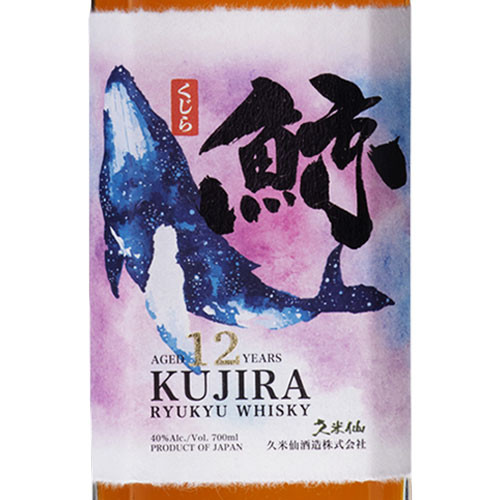
Kujira Ryukyu 12 Year Old Single Grain Whisky
Overview & Background
Brand / Distillery / Origin
- Brand / Producer: Kujira Ryukyu Whisky is produced by Kumesen Shuzo (also spelled Kumesen Syuzo, Kumesen Distillery) under the Masahiro Distillery umbrella (or series) in Okinawa Prefecture, Japan. (uisuki.com)
- Region: The whisky is part of the Ryukyu Whisky line, named for the Ryukyu Islands (archipelago including Okinawa) in southern Japan. Okinawa has a subtropical climate. (uisuki.com)
- Ingredient(s): It is a single grain whisky made from 100% Indica long‑grain rice (not barley or corn), fermented using black koji (a mold/yeast culture used in traditional Japanese fermentations, including awamori and sake production). (uisuki.com)
Age, Cask Type, Maturation Conditions
- Age statement: 12 years. The whisky has been matured for 12 years. (uisuki.com)
- Cask Type(s): Matured in Sherry casks / Sherry hogsheads (ex‑Spanish sherry cask) exclusively in many descriptions. Some sources say “only sherry casks.” (uisuki.com)
- Alcohol by Volume (ABV): 40% ABV (80 proof). (Norfolk Wine & Spirits)
- Bottling / Filtration / Colouring: It is non‑peated (no peat smoke), non‑chill filtered; there may be no added color. Some sources explicitly state “No added colour, Non Chill‑Filtered.” (Norfolk Wine & Spirits)
Climate & Regional Influence
- Okinawa climatic influence: Okinawa’s subtropical climate (warm, humid) accelerates maturation compared to cooler climates. Woods interact more vigorously; cask influence and wood‑derived flavors tend to develop in distinct ways due to heat & humidity. (uisuki.com)
- Heritage & local tradition: The production method draws from local distillation traditions (awamori), the use of rice and koji, etc. The local knowledge of fermenting rice spirits and using black koji contributes to the character. (uisuki.com)
Tasting Profile
Below is a synthesis of the nose, palate, finish, mouthfeel etc., drawn from multiple reviews and importer/retailer tasting notes. There is variation among tasters; some like it more than others.
| Aspect | Notes / Flavors |
|---|---|
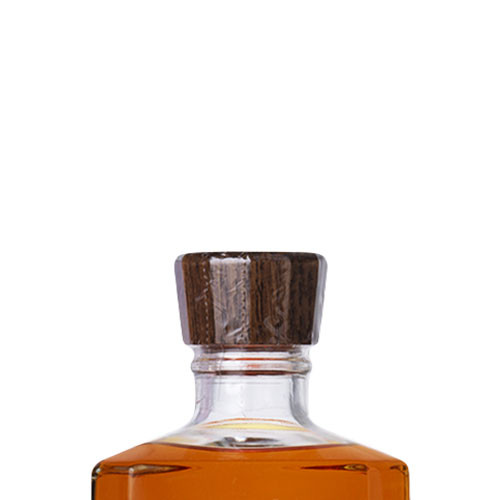
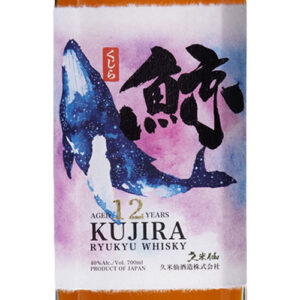
| Appearance / Color | Rich amber to auburn, warm sherry hues. Some retailers describe “rose‑tinged watercolor” wrapping, “rich auburn” color. (Norfolk Wine & Spirits) |
| Nose (Aroma) | Sweet tones of honey and sherry dominate. Also dried fruits (raisins, plums), vanilla, caramel, sometimes molasses. In many, a balsamic or slightly tart fruit note (berries, dark red fruits) is noticed. There can be hints of leather, oak, and also subtle citrus or floral overtones. Some reviewers pick up a metallic / varnish / wood polish note in the background. (whiskynotes.be) |
| Palate (Taste) | The palate tends to start smoother or lighter (given the 40% ABV), with sweetness (molasses, corn syrup, vanilla) and then fruitier tones: red fruits, dried fruits, maybe almond paste or coconut in some versions. The sherry wood contributes dried fruits, nutty / caramel sweetness; also some sour or tart elements (like balsamic vinegar or sour fruit), sometimes a bitter‑wood edge in the mid sections. There can be complexity in layering of sweetness + slight acid/tart + oak. (uisuki.com) |
| Finish | Described as long and lingering in many sources. The finish often begins with a bitter‑sweet interplay: first a touch of bitterness, then enduring sweet notes of dried fruit and oak. Some say it brings out elements that remind of cognac + rum. Slight sourness or tartness sometimes persists. Not overwhelmingly long compared to premium malts/single malts in some regions, but satisfying for its style. (My Store) |
| Mouthfeel / Body | Medium-bodied, smooth texture, not heavy. Given the rice grain base and sherry cask aging, there is silkiness or softness in texture, though oak tannin and wood spices appear. Some report more warmth in palate than in aroma, but overall approachable. (uisuki.com) |
What People Also Ask — FAQ Style Questions & Answers
Here are common or important questions people tend to ask about Kujira Ryukyu 12 Year old, along with best‑answers based on current information.
Q: What makes Kujira Ryukyu 12 Year Old whisky unique compared to other Japanese whiskies?
A: Several things make it stand out:
- Grain Source – Rice (Indica): Many whiskies are made from barley, corn, rye, etc. This one is 100% rice (Indica long‑grain rice). That’s relatively rare in whisky; Japanese tradition of rice spirits (awamori, etc.) gives context. (uisuki.com)
- Use of Black Koji Yeast: Fermentation includes black koji culture, which contributes distinct flavor/aroma, tying it to local fermentative and distillation traditions. (uisuki.com)
- Exclusive Sherry Cask Maturation: It is matured for its 12 years entirely in sherry casks, which contributes dried fruit, sweetness, and richness. (uisuki.com)
- Climate Influence: Because Okinawa is subtropical, the heat and humidity accelerate maturation effects, intensify wood‑spirit interaction differently than in cooler climates. This gives a different profile of maturation. (uisuki.com)
Q: Is the amount of rice being used in the whisky production legal under Japanese whisky definitions?
A: As of latest sources:
- The whisky is clearly described as single grain Japanese whisky, made from rice.
- Use of rice as a grain for whisky is less common but seems accepted under some definitions in Japan, especially given recent regulatory clarifications. However, there is ongoing discussion in whisky‑enthusiast circles about labels, what counts as “Japanese whisky,” and whether imported spirits can be used. Some reviews (e.g. Whiskynotes) note that there is uncertainty about whether all spirit was distilled locally or sourced externally. (whiskynotes.be)
- But Kumesen distillery is claiming distillation, maturation, and bottling in Japan and consider this an authentic production. (uisuki.com)
Q: What flavor profile should I expect? Is it sweet? Fruity? Bitter?
A: Expect quite a bit of sweetness, especially in the nose and mid palate, with prominent sherry‑driven dried fruit (raisins, plums), caramel, molasses, vanilla. Fruity notes, especially red fruits, dried fruits, maybe berry / apricot / blueberry in some descriptions. There is often a tart or balsamic fruit note or sour undertone, and a moderate bitterness (wood spice, oak, sherry tannin) may appear in the finish or mid palate. So it’s a balanced interplay: sweet fruit + oak + mild acid/tart + some bitterness. If you prefer very dry or smoky whiskies, this may feel more sweet or fruit‑forward. (uisuki.com)
Q: Is this whisky peated or smoky?
A: No, the Kujira Ryukyu 12 YO expression is non‑peated. There is no smoke or peat mentioned; the profile leans more on the sherry, rice, fruit, sweetness, and wood. (uisuki.com)
Q: What casks are used, and how do they influence the character?
A: Sherry casks (ex‑Spanish sherry) are used exclusively for the 12 year aging. These casks impart sweetness, dried fruits, caramel, possibly nutty notes, complexity and richness. The wood also contributes tannin / oak wood spices. Combined with climatic effects, the casks are key in giving the whisky its flavor depth and the dried fruit / sherry profile. (uisuki.com)
Q: How long is the finish, and what lingers after tasting?
A: The finish is described as fairly long (although not ultra‑long compared to very high end malts) in many sources. What lingers: sweetness (dried fruits, sherry influence), oak spices, sometimes balsamic / sour fruit tones, vanilla, sometimes rum‑ or cognac‑like echoes. Bitterness may start the finish but then gives way to lingering sweet surrender. (My Store)
Q: What is the price and value like?
A: Varies by market:
- In Europe, many retailers list it around €199 for 70 cl. (uisuki.com)
- In the U.S., listing prices range from around US$150–250 depending on import markups, rarity, etc. (Caskers)
- In Canada, some listings show ~$200 CAD+ (after import costs etc.). (Norfolk Wine & Spirits)
- Some reviewers and buyers feel that at high import‑inflated prices, it becomes less worthwhile / more difficult to recommend. (whiskynotes.be)
Q: How best to enjoy it? Neat, with water, or in cocktail?
A: Given the flavor complexity and moderate 40% ABV, many suggest:
- Neat first, to appreciate the aromas of sherry, dried fruit, vanilla, etc.
- Possibly with a few drops of water to open up fruit / oak tones and soften tannins.
- On ice may mute some subtleties; might be less preferred by purists.
- As for cocktails: It could be used in premium cocktails that allow the sherry / fruit profile to shine (e.g. whisky‑based drinks with vermouth, or sweet fortified wine components), but many drinkers will prefer it as a sipping whisky.
Additional Context & Critical Commentary
Some of what people are discussing or criticizing / praising about this whisky:
- The hybrid nature: Some tasters say the whisky feels like a hybrid between Japanese rice spirit traditions (awamori, shochu) and whisky, with some styles crossing boundaries—both in flavor profile (fruit + sweetness + wood) and in production (rice + black koji) not typically used in mainstream malt whisky. (whiskynotes.be)
- Some off‑notes: In the review by Whiskynotes.be, aside from pleasant sweet and fruity notes, there are comments about a bitter woody note, a “functionally sour” note, some metallic or balsamic undertones. These may or may not appeal to all palates. (whiskynotes.be)
- The pricing vs expectation: Many reviewers feel that due to its novelty and limited production, it carries a premium, and in some markets the price may be quite high, impacting its value proposition. (whiskynotes.be)
Strengths & Weaknesses
Here’s a summary of what this whisky does well, and where it might fall short, depending on what you like.
Strengths
- Originality / Innovation
A whisky made from rice (Indica long‑grain), using black koji, aged in sherry casks, under subtropical conditions, is unusual. It offers something different from barley/corn/rye whiskies. - Good Sherry Work / Fruit / Sweetness
The sherry cask aging gives the richness, dried fruit, caramel sweetness, which many tasters enjoy. - Balanced Sweet‑Tart Elements
It seems to maintain balance: sweetness + fruit + some tart or acidic undertones + oak / bitterness, which gives structure and avoids being cloying. - Smoothness / Drinkability
Despite 12 years’ age, at 40% ABV it is still accessible for many drinkers; not overly harsh or aggressively knock‑out. - Aesthetic / Story
The branding (Kujira “whale”, Ryukyu identity, local rice and koji, Okinawa climatic influence) adds appeal, especially for collectors or those who like novelty/origin stories.
Weaknesses / Limitations
- Moderate Strength / No Boldness
With 40% ABV, while smooth, it lacks the power or bold profile that some whisky enthusiasts like (especially when compared to high‑ABV single malts or expressions). - Off‑Notes / Inconsistencies for Some Palates
Some tasters report bitter woods, sourness, metallic or varnish tones. These may be bottle‑specific, or perceived due to price expectations. May not be pleasant for those who want clean fruit/vanilla oak profiles without odd edges. - Finish Length / Depth
Though finish is decent, some feel it is not as long, or as deeply developed, compared to premium or older whiskies; though this depends on what one compares it with. - Value vs Price in High‑Cost Markets
In markets with high import, taxes, markups, the price goes up, which may reduce the “bang for buck,” particularly if one finds similar flavor profiles in less expensive whiskies. - Regulatory / Origin Clarity
Some uncertainty in whisky‑enthusiast circles about the degree to which all spirit is distilled locally, or sourced; whether all stages are clearly disclosed; and how new Japanese whisky labeling regulations will affect products like this. For those who care about full provenance, that may matter. (whiskynotes.be)
Comparisons & Alternatives
To understand where this whisky sits, it’s useful to compare with other whiskies (Japanese, or non‑Japanese) of similar style or novelty.
- Japanese rice‑based spirits (awamori, etc.) — while these are not whiskies per se (differences in distillation, aging, etc.), the rice + koji tradition influences certain flavor profiles (rice sweetness, fermentation notes) which are less common in typical malt whisky lines.
- Japanese whiskies with sherry cask maturation — many Japanese distilleries produce expressions aged or finished in sherry casks; but usually from barley or blends; here, the rice grain + sherry casks gives a different texture/fruit profile. For example, some whiskies from Mars, Karuizawa (historically), etc.
- Grain whiskies from non‑barley grains — some other whiskies experiment with grains other than barley or corn. Kujira is among those experimenting with rice grain whisky. If you like such experimentation, this will interest you.
- Sherry cask single malts — Malt whiskies aged in sherry casks (Scotch, Japanese) often emphasize fruit, dried fruit, nut, oak, sweetness. The Kujira shares some of these, but with different grain base and possibly different wood/climate interaction.
- Other Ryukyu / Okinawa / island whiskies — whisky from Okinawa or subtropical islands tend to have distinct maturation influences. If you’ve had those, comparison may help you decide how you feel about the climatic effect here.
People Also Ask — More Questions & Answers
Here are further questions people often ask, sometimes with contentious or less settled answers.
Q: Is Kujira Ryukyu 12 Year Old actually “Japanese whisky” under new Japanese whisky regulations?
A: As of now:
- The Japanese government has introduced clearer labeling standards for “Japanese whisky,” which include requirements like maturation in Japan, product of Japan, etc. Whether rice‑based spirits count in all senses is less clear.
- Kumesen Shuzo / Masahiro distillery claim distillation, maturation, and bottling in Japan, for this expression. So by many of the new standards, it should qualify.
- However, some whisky enthusiasts question whether all of the whisky is fully matured (or whether some spirit is sourced), or whether the product fulfills all transparency requirements. There is no public, definitive evidence to reject the whisky as Japanese under the new regulations, but some skepticism/spores of uncertainty exist in community reviews. (whiskynotes.be)
Q: Does climate (Okinawa subtropical) cause faster aging but also more losses (angel’s share)?
A: Yes. Warm, humid climates tend to accelerate maturation: wood‑spirit interaction is more intense, esters develop faster, flavors from cask mature quicker. But with that comes greater evaporation (angel’s share), potential for greater wood extract (tannins, bitterness) if the wood influence is strong or not balanced. The chances of over‑wood or harsh wood flavor increase if cask management (toast, char, etc.) or aging facility control isn’t optimal. In the case of Kujira 12 YO, many reviewers note both the advantage of richness and some wood/bitterness or sourness appearing. So climate is a double‑edged sword. (uisuki.com)
Q: How safe is it to buy this whisky; is there a risk of fakes or mislabelling?
A: As with many premium whiskies nowadays, particularly from Japan, there is always a risk of:
- Mislabelled products
- Bottles from non‑official sources
- Practices where spirit is sourced rather than distilled locally (which sometimes is or will be more closely regulated)
For Kujira:
- There is relatively good documentation from retailers and whisky sites that this is produced by Kumesen Shuzo, uses rice, is aged 12 years, etc.
- Buyers should check for seal, labeling, origin, distributor reputation.
- Be aware of pricing: if a bottle is much cheaper than market or seems “too good to be true,” double‑check authenticity.
Q: How does this whisky pair with food, or what occasions is it suited for?
A: Some suggestions:
- Given its fruit/dried fruit/sweet caramel and sherry character, it pairs well with desserts: dried fruits, fruit‑tarts, dark chocolate, crème brûlée.
- Cheese pairing could include aged cheeses, nutty cheeses, or mild blue cheeses that can stand sweetness.
- Also good after dinner as a sipping whisky.
- On occasions: gifting, tasting evenings, whisky/spirits tasting where novelty or unique grain/spirit base is valued.
Q: Is it better to drink this whisky neat or with additions (water, ice)?
A: Most suggest:
- Neat to appreciate the sherry and fruit sweetness, the nose, etc.
- A drop of water may help open up fruit, reduce harsh wood or oak bitterness.
- Ice is likely to dampen flavors significantly (particularly aroma), so if using, perhaps one small cube, and not letting dilution wash out subtlety.
Market Pricing & Availability
Here is what is known about how much it costs in different markets, how “rare” or limited it is, and what factors affect value.
- Retailers in Europe often list it around €199 (for a 70 cl bottle). (uisuki.com)
- In the U.S., depending on state taxes/imports, sometimes US$150‑250 range. Some shops list around US$244.99 for 750 ml. (Caskers)
- In Canada / other import markets, price often reflects import tariffs, shipping, duties — so possibly higher. Norfolkwine & Spirits lists it ~$199.99 in USD. (Norfolk Wine & Spirits)
- It’s a limited edition / small batch product in most markets, so availability can be spotty. Retailers often list it “in stock / few left” or “out of stock.” (Home of Malts)
Factors that influence value:
- Novelty / Rarity: Being rice grain whisky, 12 year aged sherry casks, from a subtropical climate – this combination is rare. Collectors or those seeking novelty will pay more.
- Brand Story & Aesthetics: Packaging, origin (Okinawa / Ryukyu), local heritage, etc., add value for many buyers.
- Import Costs, Tariffs, Taxes: Especially outside Japan, cost goes up due to shipping, taxes.
- Reviews / Reputation: Some positive, some critical. Negative notes or reports of off‑flavors or “not fully premium” perceptions can reduce value perception.
Critical Review / Consumer Feedback
Some of what whisky‑enthusiast communities and reviewers say:
- Whiskynotes.be (review #72): The reviewer appreciated many elements (sherry, fruit, vanilla, honey) but also observed bitter wood, sourness, metallic or varnish‑like notes in background. They felt that for the price in Europe, it becomes tough to recommend—it’s interesting, but perhaps not a universally satisfying dram. (whiskynotes.be)
- Retail tasting notes (various importers): More positive: highlighting natural honey and sherry aroma, strong fruity and molasses flavors; rum mousse etc. Most agree it is sweet, rich, fruity with balanced acidity or tartness. (Norfolk Wine & Spirits)
- Online community / Reddit / whisky forums: Some reactions are mixed; some love the novelty and flavor, others are disappointed by price vs what they perceive as flaws (some report harsh wood, bitter edges, or that lower ABV (40%) limits intensity). Some also discuss whether it really qualifies in all senses of “whisky” under evolving regulations. (Reddit)
Strengths & Weaknesses
Here is a summarised view of what this whisky offers, and what to watch out for.
Strengths
- Uniqueness / Innovation: Rice whisky aged 12 years in sherry, with black koji, subtropical climate influence – rare combination.
- Sherry Fruit & Sweetness: Rich dried fruit, honey, vanilla, caramel, molasses – for fans of sherry‑influenced or sweet/caramel profiles, this is satisfying.
- Balanced Character: Has elements of tartness / sourness / acid + oak spice that prevent it from being overly sweet or one‑dimensional.
- Drinkability: At 40% ABV, not overpowering; good entry point for those wanting something different without high alcohol burn.
- Aesthetic / Story Value: The Ryukyu identity, use of local ingredients/tradition, good presentation, story of “whale / Ryukyu” give appeal for collectors or connoisseurs.
Weaknesses
- Subtle / Less Bold: For some whisky lovers more accustomed to high proof / bold smoke / peat / complexity, this may feel mild or underpowered.
- Off Notes / Inconsistency: As noted, some perceivable bitterness, metallic or background “off” notes. These may vary by bottle or shipping/storage.
- Value vs Price: In many import‑heavy markets, cost may feel high relative to what you get, especially versus other 12 year single malts / premium whiskies.
- Finish: Though long according to some, others feel finish could be longer or more evolving.
- Regulatory / Label Clarity: Some uncertainty in community about origin / sourcing / how “Japanese whisky” label applies; this may matter to collectors or purists.
“People Also Ask” — Additional Likely Questions
Here are more questions people often wonder about, beyond basic facts, with answers.
Q: What does “Ryukyu” mean in the whisky name, and does the whisky actually come from the Ryukyu Islands?
A: “Ryukyu” refers to the Ryukyu Islands, the archipelago that includes Okinawa, in southern Japan. The brand projects the identity of Ryukyu Whisky, emphasizing the climatic, cultural, historic elements of that region. The distillery is based in Okinawa (Kumesen Shuzo), so yes, the whisky is associated with Ryukyu / Okinawa in its origin. (uisuki.com)
Q: What is “single grain” whisky, and how does it differ from “single malt,” “blended malt,” etc., especially here?
A:
- “Single grain” means whisky from one distillery but consisting of grain whisky rather than all malt — or in this case, grain equals rice (not barley malt), with suitable fermentation/distillation. It’s not a “single malt” (which uses malted barley only) but a grain whisky.
- Because it is made 100% from rice (using long‑grain Indica rice) and fermented with black koji, it is atypical relative to the usual barley grain or corn etc.
- The “single grain” term indicates it is from one distillery, not a blend of distilleries.
Q: How has the use of black koji impacted the flavor, compared to regular yeast?
A: Black koji (a mold culture used in traditional Japanese fermentations / awamori, etc.) imparts different enzyme activity during saccharification/fermentation, which can create different flavor precursors: umami, esters, possibly more complex or “funky” rice/spirit notes than some more neutral yeast fermentations. It can also lend some fermentation aromas that tie back to traditional rice spirits, which many whisky drinkers find exotic or intriguing. In Kujira 12 YO, many tasters note fermentation or distillation nuance — aromas or flavors that are not strictly “whisky barley/wood” type, but rice / koji / fruit / fermentation undertone. (uisuki.com)
Q: Is there added color in Kujira 12 YO or is the color fully from barrel / wood?
A: According to multiple retailer statements, this expression is without added color (or no caramel coloring). For example, Norfolk Wine & Spirits says “No Caramel Color Added, Non Chill‑Filtered.” (Norfolk Wine & Spirits)
Q: How does this whisky hold up over time (in bottle) after opening? Does it degrade quickly?
A: As with most whiskies:
- Once opened, oxidation will gradually affect aroma/flavor over months/years. Lighter ABV and delicate flavor profiles tend to show decline more quickly.
- Storage in cool, dark places, upright bottles, minimal headspace helps.
- Given this whisky has sweet fruit, sherry, rice/koji‐induced nuance and moderate oak, those delicate notes (fruit, sweetness, fermentation nuance) may fade first; wood/spice/bitterness may become more prominent.
Critical Considerations & Caveats
- Labeling / Regulatory Changes in Japan: Japanese whisky rules are evolving; some expressions formerly sold under looser definitions may face stricter labeling requirements. For future purchases or collection, ensure labels/disclosures are clear. (whiskynotes.be)
- Expectations vs Reality: Because of marketing, price, novelty, people may over‑expect complexity or premium polish. It’s wise to sample if possible before committing.
- Bottle Variation / Shipping Effects: Heat, humidity (particularly transport in hot climates) can affect whisky in the crate, potentially exacerbating wood influence / oxidation. For a subtropical aged whisky, storage post‑purchase matters for preserving desired flavors.
Conclusion
Kujira Ryukyu 12 Year Old Single Grain Whisky is an adventurous and distinctive whisky. It breaks from many mainstream whisky conventions through its base of 100% rice (Indica long grain), the use of black koji fermentation, exclusive sherry cask maturation, and Okinawa’s warm humid climate. These combine to produce a savoury and sweet fruit/perfume profile heavy on sherry, dried fruit, caramel, vanilla, with hints of rice / fermentation nuance, and balanced by mild tart or oak bitterness.
For whisky lovers who are curious, enjoy novelty, like sweet‑fruity sherry whiskies, or want something different from barley / corn / rye whiskies, Kujira 12 YO offers compelling reasons to try. It offers character, complexity, and a strong sense of place.
However, whether it is worth its price depends heavily on what you value:
- If you demand boldness, high ABV, long finish, or clean fruit without odd off‑notes, you may find it falls short in some aspects.
- In markets where the import and tax markup is large, the cost may make it harder to justify, especially when there are other premium whiskies at similar or lower price with more proven reputations.
- For drinkers sensitive to wood bitterness or sour/tart undertones, some bottles may have background flavors they dislike.
My Take
On balance, I see Kujira Ryukyu 12 YO as a whisky to explore, especially for sippers and collectors. Not perfect, but interesting – it offers something different. If I were buying, I would taste first (if possible), ensure the price isn’t excessive, then buy for its fruit/sherry sweetness and its novelty. It is less likely to be a “daily dram” for casual whisky drinkers, but more of a special occasion pour or discussion piece.

W.L. Weller Special Reserve Straight Bourbon Whiskey
Veuve Clicquot Vintage 2012 Rosé Champagne
DeadHead Rum 


Reviews
There are no reviews yet.