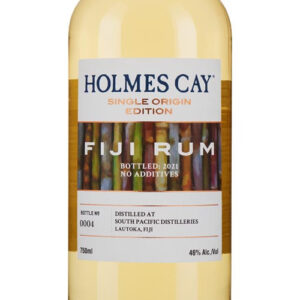
Holmes Cay Fiji Single Origin Edition Rum
Holmes Cay: Brand & Context
Before diving into the rum itself, some notes about Holmes Cay to understand where this expression comes from.
- Holmes Cay is an independent bottler / rum brand (US‑based) started by Eric Kaye. The brand focuses on sourcing interesting rums from around the world, releasing “single cask” editions as well as “single origin” blends/editions to highlight the diversity of rum flavor across origin & still type. (holmescay.com)
- Their Single Origin Editions are meant to spotlight rums from one country (or distillery) rather than multi‑country blends; often with limited release bottle counts, with minimal/no additives (no added sugar, no artificial color, no flavoring) to preserve more natural character. (holmescay.com)
- Holmes Cay had previously released more aged, cask‑strength Fiji rums (e.g. Fiji 2004 17‑Year, Fiji 2009 13‑Year, etc.) which are more premium, longer aged, higher ABV. The Single Origin edition is different: younger, more accessible, less expensive, but still aiming to show character. (holmescay.com)
What Is the “Holmes Cay Fiji Single Origin Edition Rum”
Here are the basic technical / product details about this rum:
| Attribute | Details |
|---|---|
| Origin | Fiji. Produced at South Pacific Distilleries, in Lautoka (Fiji’s only rum distillery). (holmescay.com) |
| Type / Still | Blend of lightly aged molasses‑based pot still rum and molasses‑based column still rum from the same distillery. (holmescay.com) |
| Age / Maturation | Young: lightly aged for up to about 0‑2 years (column still portion maybe 2 years) in American oak barrels (ex‑rum or ex‑bourbon type) from Fiji; pot still portion likely less or lightly aged. Overall, this is not a long‑aged rum. (Reddit) |
| ABV / Proof | 46% ABV (92 proof) for the Single Origin Edition. (holmescay.com) |
| Additives | Declared “no sugar, no color, no other flavors added” in distillation or blend. Also non‑chill filtered (in many listings) or at least minimal processing. (holmescay.com) |
| Bottles Released | 2,260 bottles for this edition. (holmescay.com) |
| Price (MSRP) | Around US$49.99 in the US (when in stock) for the 750 ml bottle. (holmescay.com) |
Tasting Notes & Sensory Profile
Based on both the official tasting notes from Holmes Cay and independent reviews / community feedback, here is a detailed tasting profile.
| Aspect | Notes & Descriptors |
|---|---|
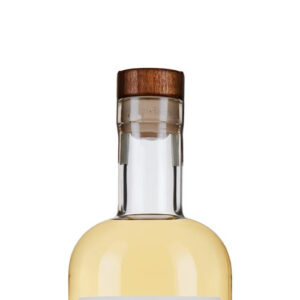
| Appearance / Color | Light straw to pale gold. Slight yellow tint from short barrel aging. It is lightly aged, so color is fairly pale compared to deep aged rums. (Paste Magazine) |
| Nose / Aroma | – Grassy, fresh cane-like notes (“grass”) — suggests vegetal fresh cane, green elements. (holmescay.com) – Citrus: lemon zest, bright citrus notes. (Paste Magazine) – Pepper and spice: white pepper, clove. (holmescay.com) – Fruit: tropical fruit (banana, possibly pineapple), vanilla, possibly overripe fruit. Some community reviews talk about banana, green banana, tropical staples. (Reddit) – Funk / “industrial” edges: Many reviewers pick up “Fiji funk” — notes of fresh paint, rubber, plasticine, glue, etc., especially after letting the rum rest in the glass. These are typical of lightly aged pot still / molasses rum from Fiji. (Reddit) |
| Palate / Taste | – Smooth to medium body. Flavor starts sweeter, with notes of vanilla, honey perhaps, floral or confectionery sweet touches. (Reddit) – Fruity elements: banana (ripe or slightly overripe), citrus, tropical fruit. (Reddit) – Spicy / herbal / vegetal: pepper, clove, some earthiness, grassiness, possibly a faint brine or saline / herbal edge. – Some industrial or funky notes: rubber / plastic / paint-like / hogo‐type esters or aroma. These are not dominant but present enough to contribute character. (Reddit) |
| Finish | – Medium length; it does not linger as long as many aged, cask‑strength rums, but leaves a nice aftertaste. – Finish shows pepper up front, then some hay / grass, mild oak / dryness, maybe a touch of vanilla or fruit returning. Some dryness/tannin but not overwhelming. – Not extremely smoky; wood influence is mild. – Slight bitter / oak edge may develop. (holmescay.com) |
What People Also Ask (FAQ) & Answers
Here are questions commonly asked (via Google / Rum‑forums) about this Holmes Cay Fiji Single Origin Edition Rum, with answers gleaned from official sources + community.
- What does “Single Origin Edition” mean for Fiji in this case?
- Answer: It means the rum is sourced from one country / distillery — in this case Fiji (South Pacific Distilleries) — and blended internally (pot + column still rums from the same distillery), rather than being a multi‑country blend. The aim is to showcase the flavor profile / terroir of Fiji’s distilling style in more accessible release. It is lightly aged (pot still portion less or similar, column still part up to ~2 years) and minimal intervention (no sugar, no color added). (holmescay.com)
- What is the proof / ABV and is it cask strength?
- Answer: The rum is bottled at 46% ABV (92 proof). It is not cask strength — it is diluted down to that proof (from whatever the barrel had). It’s a younger blend, so not designed to be cask‑strength in this version. (holmescay.com)
- How old is it (age)?
- Answer: It is young. The column still component has some light aging (about 2 years), pot still component lightly aged or possibly unaged. Overall, it is not a long‑aged rum. Some reviews say “0‑2 years.” (Reddit)
- Does it have additives (sugar, color, flavorings)?
- Answer: No. Holmes Cay clearly states there are no sugar, no color, no other flavors added in distillation or blending for this expression. This is part of the appeal. (holmescay.com)
- What is its flavor profile (taste/aroma)?
- Answer: As described above: grassy, fruity, with citrus, banana, vanilla, pepper, clove, some funk or industrial notes. Finish of hay / grass / mild dryness / pepper. Some oak influence but mild. Also, the nose is lively, expressive for its proof. Many reviews praise the nose more (for its fruit, grass, citrus) than deep wood or ageing. (Paste Magazine)
- How much does it cost and how rare is it?
- Answer: Price in U.S. around US$49.99 (MSRP) for 750 ml. The release is limited: 2,260 bottles. Depending on the retailer, stock may run out. (holmescay.com)
- Is it good for sipping or cocktails?
- Answer: Many reviewers say it works both ways: it is flavorful enough to sip neat (especially for those who enjoy tropical, fruity or grassy rums), but at 46% ABV and with reasonable body, it can also hold up in well‑made rum cocktails (especially those that benefit from rum character, not completely masked by mixers). Some see it as a good “gateway” Fijian rum for someone curious about Fiji style but not ready to pay high price for aged ones. (Reddit)
- How does this rum compare to other Fiji rums (aged) or other Holmes Cay releases?
- Answer: Compared to the older Holmes Cay Fiji releases (for example the 2004 aged ones, or single cask, 17‑year ones, etc.), this Single Origin Edition is much younger, lighter, less wood influence, less proof. It is more approachable, less intense, cheaper. Compared to aged Fiji pot still rums, it is less deep, less mature, less oak/vanilla/caramel, but offers more freshness, funk, grass, etc. It also probably has more industrial or “Fiji character” funk in some batches. For someone comparing price vs flavor, this is often seen as decent value for what it gives. (Reddit)
- What are criticisms or possible downsides?
- Answer:
- Young age / less complexity: Because it is a young rum, lacks some of the depth, length, smoothness, wood complexity that aged rums provide.
- Industrial/funky notes: For some drinkers, the “Fiji funk” (rubber/plastic/paint/glue‑like esters) is off‑putting. It can be polarizing: what some love as character, others may find harsh.
- Finish length: The finish is decent but not extremely long; some feel it fades a bit sooner than more mature or cask‑strength rums.
- Balance: Some reviews suggest that the pot still (funky) elements can dominate or become more noticeable over time (or as it sits in glass), which not all prefer.
- Answer:
- Is this a good value?
- Answer: Many seem to think yes: for a sub‑US$50 rum, it provides more flavor, more character, more originality than many low‑priced aged rums or entry rums. For those looking to explore Fiji rum or more characterful molasses rums without breaking the bank, this offers a strong entry point. Of course, expectations must be calibrated (i.e. not comparing to aged, cask‑strength, ultra‑premium bottles). The value is in its transparency (no additives), its provenance, its interesting flavor. Some think it’s “good for what it is” rather than “best overall rum.” (Reddit)
Expanded Community / Reviewer Impressions
To give more nuance, here are some impressions from rum aficionados / community / Reddit etc.:
- Many commenters note the nose is expressive, lively, with good fruit & grass & funk interplay. The “Fiji funk” is there, but moderated by the blend with column still rum. Some say it’s more banana / vanilla than heavily oak/wood. (Reddit)
- Some say it’s a great “gateway” Fiji rum: one that introduces Fijian style without going full intense. It’s not perfect for everyone but gives insight into what makes Fiji rum unique. (Reddit)
- Criticism: some find plastic / glue / rubber notes present; but mostly in small measure or as background. Not everyone finds those off‑putting; many accept them as part of the style. (Reddit)
- Also, as with many rum releases, some discuss consistency: different bottles may show slightly different levels of funk or sweetness; some find the flavor evolves after opening or over time in glass. (Reddit)
Where It Fits in the Market / Comparisons
Putting this rum into broader context of rum offerings:
- Compared to aged Holmes Cay Fiji rums: The aged ones (e.g. Fiji 17‑year, 13‑year, etc.) are much more expensive, more mature, more wood/vanilla/caramel, more proof, deeper complexity. Single Origin Edition is younger, cheaper, more upfront in flavor but less in longevity or depth.
- Compared to typical molasses rums under $50: It often shines above many mass‑market or entry‑level rums in terms of character — its mix of funk, tropical fruit, grass, spice, and absence of additives gives a more interesting sipping experience.
- Compared to agricultural / rhum agricole‑style rums: While this is not cane juice rum, its grass and vegetal notes sometimes evoke those styles. But the molasses base and pot/column blend ground it in a different tradition.
- Versus using it in cocktails: Because of its flavor profile, it works well in cocktails that allow rum character to come through (e.g., daiquiris, rum & ginger, tiki‑style drinks) but might be too characterful or funky for delicate mixers where subtle rum is better.
Technical / Production Details & Transparency
Important factors and what is known / unknown:
- Distillery: South Pacific Distilleries, Lautoka, Fiji. This is key because there are few distilleries in Fiji; character of the distillery, fermentation, yeast strains, still types are important in flavor. (holmescay.com)
- Blend composition: Blend of pot still + column still, both molasses‑based. The proportions are not fully public (i.e. how much of each), though in independent tasting some infer more column still presence. Pot still contributes the funk / heavier, esterous / industrial notes. Column still younger and lighter. (Reddit)
- Aging: Light aging, mostly in tropics (Fiji) for very short period, possibly barrel‑aging in America oak (ex‑rum or ex‑bourbon casks). The oak flavor is mild, not a major wood profile in this edition. Some finish dryness/tannin but not strong oak dominance. (Reddit)
- Bottle size / proof / release: As above: 750 ml bottle, 46% ABV, release limited to ~2260 bottles. Clear labeling of “no sugar, no color, no other flavors” for this edition. This transparency is appreciated. (holmescay.com)
- Availability: Some markets have it more than others; often sells out. Shops like Del Mesa, Aged Cork, etc., carry it when available. Pricing around US$48‑$50 when in stock in the U.S. (Del Mesa Liquor)
Strengths & Weaknesses
Here are what seem to be the strong points of this rum, and where it may have limitations.
Strengths
- Character & Uniqueness: Offers “Fiji style” rum flavor for a lower cost entry point. The funk, grass, fruit, citrus are compelling for those interested in non‑mass‑market rum.
- Transparency: No additives, clear distillery origin, modest proof, communicated aging, decent labeling. That appeals to rum enthusiasts who dislike heavy sweetening or masking.
- Versatility: Works both as a sipping rum (for those who like expressive / funky profiles) and in cocktails that benefit from rum flavor.
- Price / Value: For ~US$50, many reviewers feel you get more flavor & interest than many similarly priced rums.
- Flavor balance: While it has funk and industrial notes, many reviewers say the blend manages to keep those in check, with fruit, citrus, vanilla, and spice balancing them. Not overwhelming. Good for people who want character but not extreme intensity.
Weaknesses / Considerations
- Young / Less Mature: Because of its short aging, it lacks depth, complexity, length of finish that aged rums have. Some may find it thin compared to more mature offerings.
- Funky / Industrial Notes Might be Off‑Putting: The “Fiji funk” and elements like rubber, glue, plastic, etc., which some feel are intriguing, others find undesirable or distracting.
- Finish Length: Not as long or evolving in finish as more premium options; some suggest the finish is only medium, not lingering for many minutes.
- Variability / Expectations: Some bottles may present more funk / rough edges than others; for people expecting subtler profiles, could be surprising.
- Not as much oak / wood / sweet caramel depth: For those who prefer rum influenced by oak (vanilla, caramel, heavy barrel notes), this is not going to deliver that strongly; those wanting deep woodiness might look elsewhere.
What Makes It Special (Highlights)
Here are the standout features that give it its appeal:
- It is part of a newer “Single Origin Edition” line from Holmes Cay, aiming to bring forth more accessible, interesting rums by origin rather than only aged ones. That means more people can experience diversity of rum styles.
- The collaboration with The Rumcast podcast in selecting/blending adds a community / curation dimension. It was not just a standard commercial blend, but one formed in conversation with rum reviewers / enthusiasts. (holmescay.com)
- The absence of additives (no sugar, no color) which allows the rawer pot/column molasses character to come through. Many rums in similar price bands do include sweeteners or coloring; this one claims to avoid that. (holmescay.com)
- The flavor profile is approachable yet distinct: one can get fruit, spice, grass, funk in a relatively moderate ABV that isn’t overwhelming, which is good for both sipping and mixed use.
Where It May Be Less Ideal
For whom this rum might not hit the sweet spot:
- If one’s priority is heavy barrel aging, deep oak, caramel, vanilla, etc., those traits are light in this release.
- If someone is sensitive to funky / industrial esters or smells, the pot still / molasses portion may present flavors like rubber, plastic, glue, etc., which might be off‑putting.
- If seeking a rum with a long, evolving finish or high proof fiery experience, this is not that (finish is medium, proof is moderate).
- If collectors are looking for investment value or rare limited aged bottles, more aged / cask strength single cask editions probably have more collector appeal.
Typical Use & Serving Suggestions
- Sipping neat: Especially for enthusiasts who enjoy exploring different terroirs, this rum offers enough flavor to be sipped neat; let it breathe a bit in the glass to let funk/esters mellow and fruit/citrus emerge.
- With a little water: A few drops of water (or letting it rest in the glass) can open up aromatics, soften alcohol warmth, help bring vanilla & fruit forward.
- Cocktails: Works well in cocktails that let rum flavor shine: perhaps an old‑fashioned style rum cocktail, a rum daiquiri, Mai Tai type twist, rum & ginger / rum & cola, or in craft tiki drinks. Because of its moderate proof, mixers will mask less of its flavor than very high proof rums.
- Pairing: Goes nicely with tropical fruit desserts, banana or pineapple pies, vanilla ice cream, or spicy foods. Grass‑ and vegetable‑tinged herbal or peppery foods could complement or contrast nicely.
Summary Table: Key Facts
| Feature | Detail |
|---|---|
| Name | Holmes Cay Fiji Single Origin Edition Rum |
| Origin | Fiji (South Pacific Distilleries, Lautoka) |
| Base | Molasses‑based rums, blend of pot still & column still distillates |
| Aging | Light aging (0‑2 years for column portion; pot portion lightly aged / young) |
| ABV | 46% (92 proof) |
| Additives | None: no sugar, no coloring, no added flavor |
| Bottle count | ~2,260 bottles (limited release) |
| Price (USA) | ~US$49.99 MSRP |
| Flavor profile | Grass, citrus, pepper, clove, honey, vanilla, fruit, funk, medium finish |
| Best enjoyed | Sipped neat or lightly with water; also usable in robust cocktails |
Conclusion
Holmes Cay Fiji Single Origin Edition Rum delivers a lively, expressive, and character‑filled rum that is a great way to explore what Fiji rum can offer without entering the deep‑pocket territory of ultra‑aged, high‑proof bottles. For those interested in flavor diversity, terroir, and authenticity, this rum offers much of what many enthusiasts look for:
- It’s transparent about origin, still type, aging, additives (or lack thereof).
- It gives character: funk, fruit, grass, spice, citrus — enough intrigue.
- It is accessible in both price and proof for many people, yet not bland or mass‑market.
At the same time, it isn’t magically transformed by aging — you won’t get deep oak, caramel, long finish like you might from rums aged 10‑20+ years. If those are your priority, you’ll want to look at aged editions (Holmes Cay has those) or other brands with vintage aged Fijian pot still rums. Also, the funky / industrial edge will appeal to some, but may be a hurdle for others.
Is it worth trying? I think yes, especially if you enjoy rum and want something outside the usual Caribbean / Jamaican / Latin expressions. It’s very drinkable for what it is, intriguing, and offers a good value for its flavor profile. It is particularly good as a discovery bottle — if you like it, it may lead you to seek out more from Fiji, or more of Holmes Cay’s aged single cask offerings.
If you like, I can also compare this rum to 2‑3 other similar Single Origin or Fiji rums in the same price range, so you can see trade‑offs?


Reviews
There are no reviews yet.