DeadHead Rum

Deadhead Rum — deep dive: origins, profile, FAQs, and verdict
This article explores the Mexican rum brand Deadhead Rum: its history, production methods, flavor profile, common questions (akin to “People also ask” on Google), cultural context, strengths and criticisms — with visuals and a concluding reflection.
What is Deadhead Rum? Origins and Philosophy
🇲🇽 Roots in Mexico & the Distillery Behind It
- Deadhead Rum is produced in Mexico by Rones de México, a family-owned distillery with a long tradition. The distillery reportedly dates back to 1948. (Rum Ratings)
- According to Deadhead itself, the brand was created in 2011 to “bring deserved attention to … the storied history of rum production in México.” (deadheadrum.com)
- Despite global dominance of Caribbean and Caribbean‑style rums, Deadhead’s founding reflects a mission: to highlight Mexican rum, using local sugar‑cane resources, distillation heritage, and a distinctive identity. (deadheadrum.com)
Unique Bottle Design — Cultural & Visual Identity
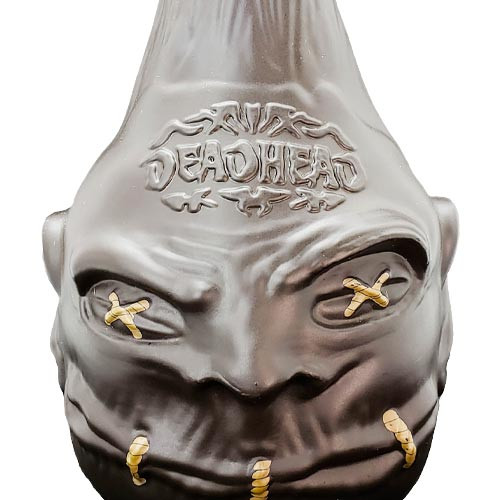
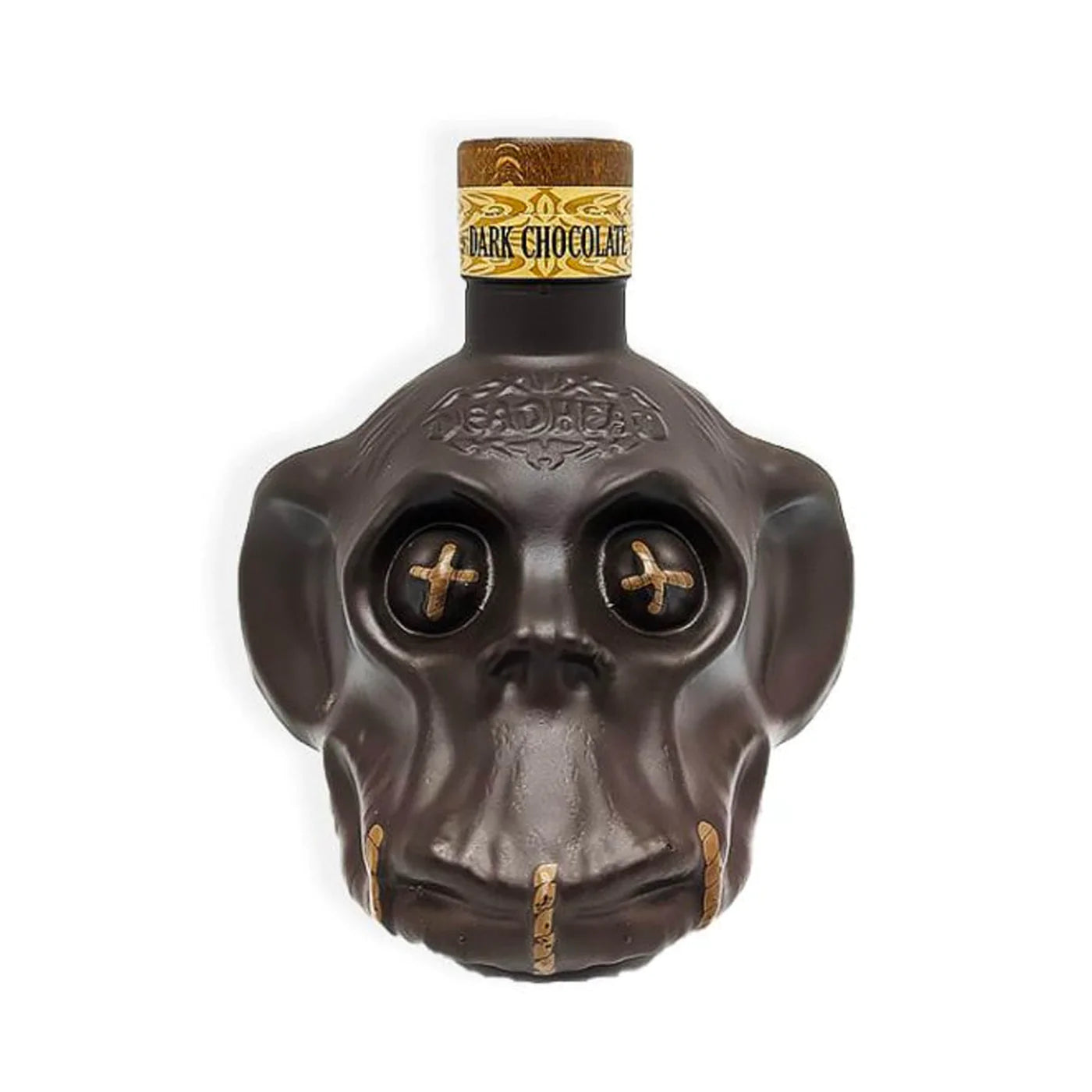
One of the most striking aspects of Deadhead Rum is its bottle design — shaped to resemble a “tsantsa” / shrunken head. (store.deadheadrum.com)
- The design pays tribute — albeit controversially from a modern perspective — to indigenous rituals associated with shrunken heads, symbolizing “honor and spiritual renewal,” referencing traditions linked to certain native groups. (store.deadheadrum.com)
- The brand explicitly says the bottle is meant to stand out, to evoke a sense of heritage and identity tied to southern Mexico / Chiapas region. (deadheadrum.com)
- For many consumers, the bottle is part of the appeal — an eye‑catching item on bottleshelves, cocktail bars, or home bars.
From the outset: Deadhead Rum is not just a taste — it is a statement, a design, a marketing of identity as much as flavour.
What Types / Variants Does Deadhead Offer
Deadhead offers several expressions, including (but not limited to):
- Aged (standard) rum, often marketed as “cask aged.” (deadheadrum.com)
- A 5‑year “Dark Chocolate Rum” — rum infused with roasted cacao after aging. (deadheadrum.com)
- Occasionally limited editions or special blends — e.g. a “10th Anniversary Limited Edition” released in 2021. (deadheadrum.com)
Thus, the brand mixes traditional rum, flavored rum (chocolate), and occasional commemorative releases — offering variety, but always under the same visual identity.
How Deadhead Rum Is Made — Raw Materials, Distillation, Aging
To appreciate what’s inside the bottle, it helps to understand how Deadhead Rum is crafted.
Sugarcane, Molasses & Cane Juice — Hybrid Base
Deadhead Rum is made from a combination of fresh sugarcane juice and molasses (a byproduct of sugar processing). (Rum Ratings)
- This hybrid base — both cane juice (agricultural rum style) and molasses — allows for complexity: some of the lighter, vegetal or “agricole‑style” notes from cane juice, along with the richness and depth typical of molasses‑based rum. (Rum Ratings)
- Using estate-grown sugarcane as part of the process roots the rum in its Mexican terroir — a point the brand highlights. (Rum Ratings)
Distillation Approach — Pot Still & Column Still
Deadhead blends different distillates: one from pot still (from cane juice) and one from column still (from molasses). (store.deadheadrum.com)
- Pot still gives richer, heavier, more aromatic distillate; column still brings cleaner, lighter distillate. The blending aims for balance: rum character + smoothness. (qantimagroup.com)
- This dual‑method distillation underlines the brand’s goal: a rum that reflects traditional roots yet is smooth, versatile, and suitable for diverse consumption.
Aging & Casks
- The standard aged rum is matured for around 5 to 7 years in oak barrels — typically a combination of toasted American oak (majority) and some Chiapas (local) oak wood (≈ 20%). (store.deadheadrum.com)
- No added sugar or artificial coloring — according to the brand, the color and flavor come naturally from aging. (store.deadheadrum.com)
- For the flavored variant (Dark Chocolate Rum), the base rum is aged and then infused with locally sourced cacao, integrating chocolate notes with the matured rum character. (OldGrogram)
Tasting Profile — What Deadhead Rum Attempts to Deliver
As with any spirit, the ultimate test lies in the glass. Below is a composite of tasting notes from sources, reviewers, and the brand’s own descriptions.
Appearance
- The aged rum pours a dark amber to mid‑amber color, with golden highlights — typical for a matured rum with oak influence. (Whiskey Caviar)
- The bottle design adds to the perception of “depth” — but that’s visual. The liquid inside has a standard aged‑rum hue.
Aroma (Nose)
According to the brand and reviewers:
- Aromas of coffee, roasted cacao, chocolate, butterscotch, caramel, baking spice (cinnamon, nutmeg), allspice— a warm, dessert‑like bouquet. (deadheadrum.com)
- Some detect lighter notes too — vanilla, maybe a hint of fruit or soft oak, when the rum opens up. (Whiskey Caviar)
Palate (Taste)
- The taste often features molasses, caramel, roasted cacao/chocolate (especially in the “Dark Chocolate” variant), clove, anise, nutmeg, subtle oak, and a certain earthy or resinous dryness, sometimes described as “smoky” or “mezcal‑like.” (Difford’s Guide)
- For the standard aged rum: sweetness from caramel/molasses, balanced by spice and a bit of oak dryness; for the chocolate‑rum variant: richer chocolate and cocoa, perhaps with a hint of cherry or dessert‑like notes. (deadheadrum.com)
Finish
- Finish tends to be spicy, slightly dry, with lingering notes of oak, spice (clove, pepper), cacao or chocolate (depending on expression), molasses or caramel sweetness. (Difford’s Guide)
- Some reviewers note a “funky” or resinous dryness, not the lush tropical‑fruit sweetness typical of Caribbean rums — giving the rum a more serious, sipping‑oriented character. (Difford’s Guide)
Versatility — Sipping and Cocktails
Deadhead positions itself as both a sipping rum and one suitable for cocktails:
- The brand suggests it works well neat or on the rocks — especially to appreciate its warming spices, cacao, and complexity. (deadheadrum.com)
- It’s also recommended for use in “classic Tiki cocktails” or other mixed drinks — its assertive aromatics and flavor profile make it adaptable. (store.deadheadrum.com)
- For example, Deadhead itself provides cocktail recipes using its rum. (deadheadrum.com)
What People Also Ask — Common Questions & Answers About Deadhead Rum
Here’s a “People‑Also‑Ask” style FAQ based on common consumer questions, with answers drawn from credible sources.
Q: Where is Deadhead Rum produced?
A: Deadhead Rum is produced in Mexico, by Rones de México. The distillery is located in Chiapas / Veracruz (depending on expression), using locally grown sugarcane and molasses. (Rum Ratings)
Q: What is the base of Deadhead Rum — molasses or cane juice?
A: It uses a blend of both cane juice and molasses. The cane-juice portion is typically pot still–distilled; the molasses portion is column‑distilled. This hybrid base aims to combine richness and purity. (Rum Ratings)
Q: How long is Deadhead Rum aged?
A: The standard (“cask‑aged”) rum is typically aged 5 to 7 years in oak barrels (mostly toasted American oak, with some local Chiapas oak). (store.deadheadrum.com)
Some variants (e.g. flavored ones) may have different aging or finishing processes. (deadheadrum.com)
Q: What is the alcohol content (ABV) of Deadhead Rum?
A: The standard Deadhead Rum is bottled at 40% ABV (80 proof). (store.deadheadrum.com)
Q: What is the significance of the bottle design — why the “shrunken head”?
A: The bottle shape evokes a tsantsa, or shrunken head — a historical artifact associated with certain indigenous communities (referencing themes of spiritual renewal, honor, victory). The design is meant as a tribute to that heritage, symbolizing the brand’s Mexican roots and cultural identity. (store.deadheadrum.com)
The bottle also serves a marketing purpose: to stand out on shelves and reflect an exotic, bold image. (deadheadrum.com)
Q: Is Deadhead Rum good for cocktails or just for neat drinking?
A: Deadhead describes itself as versatile: suitable for neat sipping, on the rocks, or as base in classic Tiki or rum‑forward cocktails. (deadheadrum.com)
Because of its bold aromatics and complex profile, it can add depth to cocktails — though purists may prefer sipping to appreciate nuances.
Q: Does Deadhead add sugars or flavorings?
A: According to the brand’s description of its “cask aged” rum: no sugar added, no color added; the color and flavor come naturally from the barrel-aging process. (store.deadheadrum.com)
However — note that some variants (e.g. “Dark Chocolate Rum”) are indeed flavored — infused with cacao after aging. (deadheadrum.com)
Q: What kind of flavor profile can I expect (taste, aroma)?
A: Expect a rich, spiced, slightly dark/roasty, and somewhat dry profile: notes of caramel, molasses, roasted cacao/chocolate, coffee, baking spice (nutmeg, clove, cinnamon), perhaps hints of anise or allspice, and oak/resin/oak‑tar or resinous dryness. (Difford’s Guide)
With flavored expressions (e.g. chocolate‑infused), additional notes of dark chocolate, cocoa, dessert‑like sweetness may emerge. (OldGrogram)
Q: What makes Deadhead Rum different from Caribbean or Jamaican rums?
A: Several aspects:
- It comes from Mexico — not the usual Caribbean rum countries. That gives it different terroir, raw materials (Mexican cane, molasses), and distillation heritage.
- The base blends sugarcane juice + molasses, and distillation uses both pot still and column still — a hybrid approach not always common in older Caribbean traditions.
- The flavor profile leans more on oak, spice, roasted notes, and less on tropical fruit‑forward profiles or heavy ester-driven “funk” typical of many Jamaican or Demerara rums.
- The visual identity (tsantsa bottle) is distinctive — the brand uses design, culture, and packaging intentionally as part of its differentiation.
Q: Is Deadhead Rum considered premium / high‑end?
A: Deadhead markets itself as artisanal / small‑batch, crafted with care, and has won several tasting and design awards. (store.deadheadrum.com)
But among rum aficionados, opinions are mixed — some appreciate it for novelty and boldness, others criticize it for taste or consider it more “novelty” than “premium.” (More below.)
Cultural & Historical Context — Why Deadhead Is More Than Just a Bottle
Understanding Deadhead Rum means acknowledging its attempt to place Mexican rum on global map — challenging the rum world’s preconceptions, and blending heritage, design, and liquidity.
A Mexican Response to a Caribbean‑Dominated Market
- Rum from Mexico is historically overshadowed by globally famous rum‑producing nations (Jamaica, Barbados, Cuba, etc.). Deadhead’s 2011 foundation was explicitly motivated by this — to call attention to Mexico’s sugarcane and rum‑making potential. (deadheadrum.com)
- The distillery’s heritage (since 1948) and expertise — especially under its master blender — give Deadhead a foundation of tradition and craft, even if the brand is modern. (Rum Ratings)
Identity, Storytelling & Packaging
- The use of tsantsa‑style bottle design draws from indigenous-cultural imagery. For some, it’s bold, provocative, exotic, and memorable — a way to tell a story, evoke a sense of place and tradition. For others, it may raise questions: about cultural appropriation, sensibilities, or the ethics of using human‑ritual symbolism for commercial packaging.
- Deadhead’s marketing mixes heritage (sugarcane, distillery, craftsmanship) with visual flair — aiming at consumers who appreciate both story and aesthetics, not just taste.
Awards & Recognition — Attempts at Legitimacy
Deadhead Rum has reportedly won multiple international awards for taste and bottle design. (store.deadheadrum.com)
These accolades illustrate the brand’s ambition — to be taken seriously not just as gimmick, but as a globally competitive rum.
Criticisms, Controversies, and Mixed Perceptions
As with many rums that rely heavily on packaging, marketing, and hybrid production, Deadhead Rum attracts both fans and critics. It’s important to acknowledge the more skeptical views — especially if you consider buying or tasting it.
Mixed Reviews from Consumers & Enthusiasts
Based on forum discussions and community reviews:
- Some believe the rum is “mostly for the bottle.” From one Reddit thread:
“Cool ass bottle. Would buy it if it was cheap and use it for mixed drinks.” (Reddit)
- Others are harsher:
“Not good… the bottle looks cool … but the rum is gross.” (Reddit)
Another comment:
“the matured Oak taste seemed to overwhelm everything else.” (Reddit)
- Some users describe the rum as over‑hyped, with weak flavor depth relative to the bottle’s price or reputation. (Reddit)
Thus, while some enjoy it (especially for cocktails or as a novelty), others find it lacking compared to rums from traditional rum regions or more “serious” aged rums.
Flavor Profile ≠ Traditional Caribbean Rum
- Because Deadhead’s profile leans on oak, spice, and sometimes “dryness” or “resin/tar” — rather than tropical fruit, ester-driven funk, or molasses sweetness — it may not satisfy those who prefer the classic “Caribbean” rum style. Some reviewers describe it as “smoky,” “tar‑like,” or even having a “mezcal vibe.” (Difford’s Guide)
- For a rum positioned as “premium / small‑batch / sipping,” some find the finish or balance mediocre: a bit harsh, more “oak/spice” than “rum richness.” (Reddit)
Novelty vs Substance — Bottle vs Content
A recurring complaint: Deadhead might rely heavily on packaging, branding, and visual identity — with the rum inside not always matching expectations. As one comment put it:
“Big gimmick.” (Reddit)
For consumers primarily interested in taste, aroma complexity, or “real rum character,” Deadhead sometimes disappoints — especially compared to well-aged rums from rum‑centric regions.
Cultural Sensitivity Considerations
The use of “tsantsa / shrunken-head” imagery: while evocative, some may view it as appropriative, exoticizing indigenous cultures for commercial appeal. The brand frames it as homage, but perceptions vary. It’s a point to consider depending on personal values.
“People Also Ask” — Comprehensive FAQ for Deadhead Rum
Here’s a summarised FAQ covering most of the common concerns, curiosities, and practical questions about Deadhead Rum.
| Question | Answer |
|---|---|
| What is Deadhead Rum and where is it from? | Deadhead Rum is a Mexican rum, produced by Rones de México (since 1948), originally created in 2011 to spotlight Mexican rum tradition. (Rum Ratings) |
| What is the base of the rum (molasses or cane juice)? | It’s made from a blend: both fresh sugarcane juice (agricole‑style) and molasses. (Rum Ratings) |
| What distillation methods are used? | A combination: pot still (for cane juice) and column still (for molasses-derived distillate). (store.deadheadrum.com) |
| How long is it aged / in what casks? | The standard aged expressions are matured about 5–7 years in toasted American oak (majority) and some local Chiapas oak wood. (store.deadheadrum.com) |
| What is its ABV (alcohol percentage)? | 40% ABV (80 proof). (store.deadheadrum.com) |
| Does it contain added sugar or colouring? | For the cask‑aged rum: no added sugar or color — the flavors and hue come from natural aging. (store.deadheadrum.com) |
| What does it taste like? What are the tasting notes? | Expect a profile with caramel/molasses sweetness, roasted cacao or chocolate (especially in the chocolate variant), coffee, baking spices (cinnamon, nutmeg, clove), and oak/resin/dry woodiness; finish tends to be spicy, slightly dry, with lingering oak/spice or cacao notes. (Difford’s Guide) |
| Is it best for sipping or mixing? | Both — the brand markets it as suitable for sipping neat or on ice, and also as a base for cocktails (especially rum‑forward or tiki drinks). (deadheadrum.com) |
| What makes Deadhead Rum different from Caribbean rums? | Its Mexican origin, hybrid cane‑juice + molasses base, dual distillation method, and flavor leaning toward oak/spice/roast rather than tropical fruit / heavy “funk.” Also, its distinctive bottle design and branding give it a unique identity. |
| Is Deadhead considered a “premium” rum? | The brand aspires to premium status: small‑batch, handcrafted, aged rum, with awards and blending care. However, among rum aficionados, opinions diverge: some like it as a novelty or casual mixer, others criticize it for taste or over‑hyped presentation. |
For Whom (and for What) Deadhead Rum Works — Use Cases & Best Situations
Based on its profile, history, and reception, Deadhead Rum is best suited for certain contexts and types of drinkers.
✅ Good for:
- Casual drinkers or newcomers who appreciate a bold, accessible rum for mixing or cocktails — the sweetness, spice, and roasty notes can work well in drinks.
- Home bars where aesthetics matter — the bottle design makes for a conversation starter, a bar display piece, or a novelty gift.
- Tiki-style cocktails or rum‑forward drinks — where the rum’s spice, cacao or molasses depth, and 40% ABV can add character.
- Occasional sipping — neat or on the rocks when you want something different, especially if you enjoy more resinous, woody, chocolatey rums rather than tropical‑fruity or ester-heavy ones.
⚠️ Less ideal for:
- Rum purists / aficionados seeking “authentic Caribbean character” (heavy esters, funk, tropical fruit, heavy molasses) — Deadhead’s profile leans more toward oak, spice, dryness, and sometimes a “mezcal‑like” or resinous vibe.
- Collectors of fine aged rums — Deadhead is not positioned as a long‑aged premium rum (5–7 years aging), nor as a limited ultra‑aged expression, so for those seeking rarity or depth of aging, there may be better options.
- Drinking neat for subtlety and refinement — the boldness, spice, and oak can overshadow subtle notes; some critics find it more “rough” than refined.
Strengths & What Deadhead Does Well
- Distinct identity & strong branding — the tsantsa / shrunken‑head bottle is memorable, iconic, and helps the rum stand out in a crowded market.
- Hybrid base + balanced distillation — use of both cane juice and molasses, pot still and column still, gives the rum a balance between richness, rum‑character, and drinkability.
- Approachable ABV and flavor profile — 40% ABV, spice, caramel, chocolate, oak make it broadly accessible.
- Versatility — usable neat, on ice, or in cocktails — makes it flexible for different drinkers and occasions.
- Bringing attention to Mexican rum — helping expand perceptions of rum beyond traditional Caribbean/Caribbean‑island sources.
Weaknesses, Criticisms & What to Be Mindful Of
- Inconsistent or divisive flavor profile — some drinkers find it too “dry,” “oak‑heavy,” “resinous,” or “smoky,” lacking the tropical sweetness or fruity funk many expect from rum.
- Bottle over substance concern — some reviews suggest the rum’s reputation rests more on its novel bottle than on liquid quality.
- Not a premium aged rum — for those seeking long‑aged complexity (12 yrs, 15 yrs, 20 yrs, etc.), Deadhead’s 5–7 yr aging may feel modest.
- Mixed community reception — while some enjoy it for cocktails or novelty, others call it overrated or “trash tier” for sipping. (Reddit)
- Cultural sensitivity risk — the bottle’s “shrunken head” design might raise ethical or cultural appropriation concerns, depending on perspective.
Conclusion — What Deadhead Rum Represents, and Whether It’s Worth Trying
Deadhead Rum is more than just a spirit: it’s a statement — of identity, design, ambition, and the drive to put Mexican rum on the global map. With its hybrid production (cane juice + molasses), dual distillation, moderate aging, and bold packaging, it attempts to bridge craftsmanship and marketing, tradition and novelty, accessibility and exoticism.
For someone exploring rum casually, building a home bar, enjoying cocktails, or open to unusual styles — Deadhead can be fun, interesting, and versatile. Its spiced, roasty, sometimes dark‑chocolate‑tinged profile, combined with its 40% ABV, can make it an approachable yet distinctive rum.
However — if you’re seeking the depth, complexity, and finesse often associated with aged Caribbean rums or other legacy spirits — Deadhead is unlikely to satisfy fully. Many in the rum community see it more as novelty than as “serious rum.”
In short: Deadhead Rum is best appreciated on its own terms — as a Mexican‑made, boldly‑branded, hybrid rum good for mixing, casual sipping, or bar display — rather than as a benchmark for the best aged rum. Think of it as a flavorful, character‑filled, somewhat unconventional rum. If you approach it with open expectations (not as a top‑tier sipping rum), you may well enjoy it; but if you’re a rum purist, view it as a curious detour — not a destination.
If you want — I can compare 5–10 other Mexican or Latin‑American rums with Deadhead (taste, price, style) to help you see where it stands globally.
Would you like me to build that comparison for you now?




Reviews
There are no reviews yet.