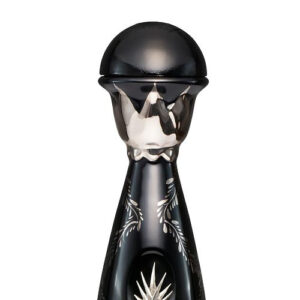
Clase Azul Ultra Extra Añejo Tequila

Clase Azul Ultra Extra Añejo Tequila — In-Depth Profile, FAQs & Meaning
Introduction
Clase Azul Ultra Extra Añejo Tequila is widely regarded as the flagship — and most luxurious — expression from the Mexican tequila house Clase Azul. It combines meticulous craftsmanship, traditional tequila-making methods, extended aging, and artisanal bottle design, to deliver not only a high-end spirit, but also a collector’s item. The result: a tequila that commands attention, admiration — and a steep price. In this article, we examine what makes Clase Azul Ultra special, what it tastes like, how it’s made, how much it costs, and we answer many of the common questions people ask online. We conclude with a balanced look at its strengths and controversies.
What is Clase Azul Ultra — Origins, Production & Bottle
🍃 Origins & Agave
- Agave type & origin: Clase Azul Ultra is made from 100% Blue Weber agave (Tequilana Weber), cultivated in the highlands (Los Altos) of Jalisco, Mexico. (agavematchmaker.com)
- The agaves are hand-harvested when mature (reports suggest a maturation period of many years before harvest). (Vin Malin)
🧪 Production & Distillation
- After harvest, the agave hearts are slow-cooked (often in traditional ovens) to develop depth and richness — a typical process for high-end tequilas. (akros.gr)
- The tequila is double distilled (in copper stills), a common practice that helps ensure smoothness and purity of spirit. (Tequila Matchmaker)
🛢️ Aging Process
- The distinctive character of Clase Azul Ultra comes from its extended aging: the spirit is aged for five years. (claseazul.com)
- The aging regimen is dual: first in American whiskey barrels, then finished in Spanish sherry casks (often ex-sherry barrels from sherry producers in Spain). (claseazultequila.store)
- This sequential cask aging — from whiskey barrels to sherry casks — contributes to a complex maturation profile, yielding deep flavors, nuanced aromas, and a smoother, richer spirit. (claseazul.com)
🏺 The Decanter: Art + Luxury
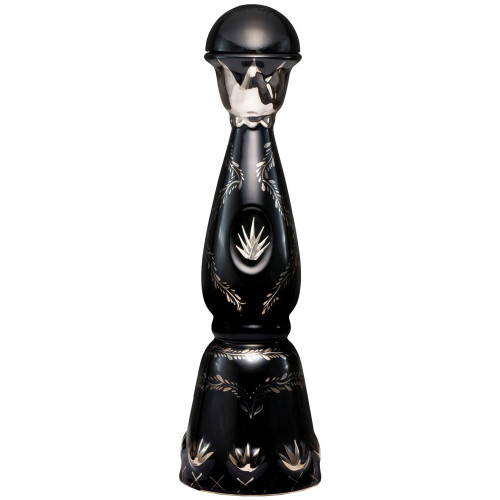
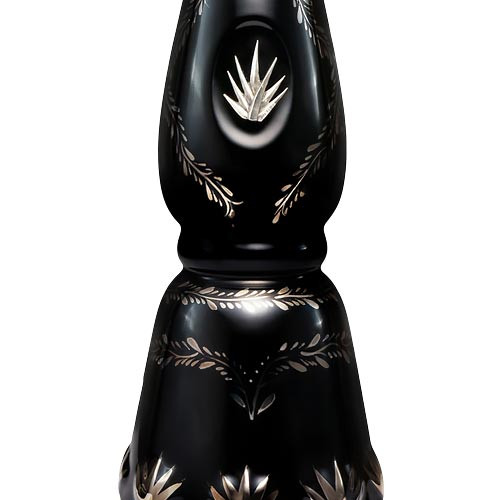
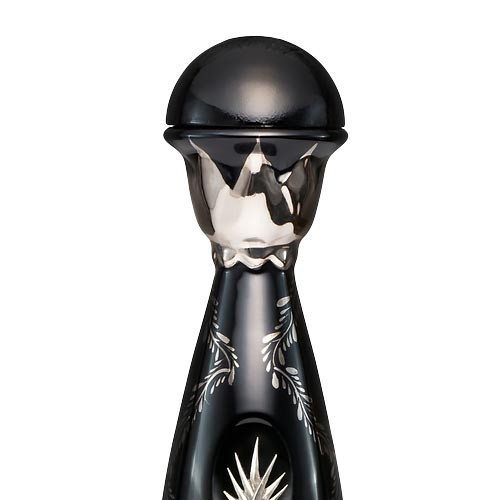
- Each bottle of Clase Azul Ultra is presented in a hand-crafted ceramic decanter, not just a typical liquor bottle. The decanter is adorned with platinum, sterling silver, and 24-karat gold accents. (akros.gr)
- The decorative process is artisanal: skilled artisans paint and finish each decanter by hand, often applying metallic brushstrokes from memory — the platinum only becomes visible after the ceramic firing process. (claseazul.com)
- Because of this unique craftsmanship, the bottle itself is often considered a collectors’ piece — many buyers prize the decanter as much as the tequila inside. (MyKitchenGallery)
📦 Limited Production & Exclusivity
- Clase Azul Ultra is not mass-produced. The brand deliberately limits production — only a small number of bottles are released annually. (hopkinsliquorcollection.com)
- This scarcity — along with the handcrafted bottle and lengthy aging — contributes heavily to its reputation as a high-end, collectible spirit. (MyKitchenGallery)
Tasting Profile — What to Expect
Here’s how Clase Azul Ultra typically presents itself in terms of color, aroma, palate, and mouthfeel. Expectations may vary somewhat by batch and by individual palate, but the descriptions below capture the commonly cited flavor profile.
🌈 Appearance
- Color: Deep amber with copper highlights. (Khalaf Wines)
- Body: Full, rich, and silky. A heavy-bodied tequila rather than a light, crisp one. (claseazul.com)
👃 Aroma (Nose)
Clase Azul Ultra opens with a sophisticated bouquet:
- Sherry, oak, dried fruits — like dried plum, dried apricot — and raisin. (claseazul.com)
- Supporting notes of brown sugar, maple syrup, hazelnut, and sometimes chocolate or cacao. (claseazultequila.store)
- Hints of spice, such as cinnamon, clove, perhaps a touch of tobacco, showing the depth imparted by long cask aging. (claseazul.com)
👅 Palate (Taste) & Finish
On the palate, drinkers often note:
- Dried fruits: dried plum or prune, apricot, sometimes cherry. (GotoLiquorStore)
- Sweetness & richness: crème caramel, vanilla, caramel, butterscotch — balancing the wood and spice. (akros.gr)
- Spice & warmth: gentle cinnamon, clove, sometimes a subtle ginger or nutmeg undertone. (Vin Malin)
- Oak and earthy depth, derived from the extended aging, giving complexity beyond obvious sweetness. (claseazul.com)
- Finish: Long and lingering — often described as rich but smooth, with lingering notes of dried fruit, oak, caramel, and sometimes a slight tobacco or nutty aftertaste. (bestbottlesclub.shop)
🧀 Serving & Pairing Suggestions
While some may treat it simply as a sipping tequila, connoisseurs often pair it with specific foods to highlight its complexity:
- Smoked or braised meats — brisket, ribs, meats with rich sauces. (Also Tequila)
- Semi-mature cheeses, cured meats or charcuterie. (Also Tequila)
- Dark or bitter chocolate, and desserts that are not overly sweet — to match the depth and subtle sweetness of the tequila. (Also Tequila)
Many suggest drinking it neat or with a single ice cube (to slightly chill without diluting), to preserve the nuanced flavors and aromas. (bestbottlesclub.shop)
Price, Availability & Collector Status
- The retail price of Clase Azul Ultra Extra Añejo Tequila typically hovers around USD $1,900 to $2,500 per 70 cl bottle (depending on region and retailer). (agavematchmaker.com)
- The high price reflects not only the liquid inside, but also the hand-crafted decanter, limited production, and the brand’s positioning as luxury / collector’s item. (MyKitchenGallery)
- Because of limited supply — the brand reportedly releases only a small number of bottles annually — the tequila often sells out quickly, and can become a sought-after item among collectors. (hopkinsliquorcollection.com)
- Many buyers view the decanter as a display piece (not only a container): for some, the value lies as much in the art and craftsmanship as in the spirit itself. (Khalaf Wines)
🧭 People Also Ask — FAQ about Clase Azul Ultra
Here are several of the top questions people search for about Clase Azul Ultra, along with concise answers derived from sources across the web.
1. What is the alcohol content of Clase Azul Ultra?
Clase Azul Ultra is bottled at 40% ABV (80 proof), which is typical for premium tequilas. (Also Tequila)
2. Where does Clase Azul Ultra come from?
It originates from Jalisco, Mexico — specifically the highland region (Los Altos), where Blue Weber agave is grown. (agavematchmaker.com)
3. How long is Clase Azul Ultra aged?
Clase Azul Ultra undergoes a minimum of five years aging, first in American whiskey barrels, then in Spanish sherry casks. (claseazul.com)
4. What does Clase Azul Ultra taste like?
Expect a complex tasting profile: rich dried fruits (plum, apricot, raisin), oak, caramel/vanilla, spices (cinnamon, clove, sometimes nutmeg or ginger), and sweet-earthy depth — with a smooth, long finish. (GotoLiquorStore)
5. Why is Clase Azul Ultra so expensive?
Several factors contribute:
- Long, careful aging in multiple casks. (excellencerhum.com)
- Use of 100% Blue Weber agave, grown and harvested with care. (agavematchmaker.com)
- Limited production (small batch, few bottles per run). (hopkinsliquorcollection.com)
- Hand-crafted ceramic decanter made by skilled artisans, adorned with platinum, silver, and 24-karat gold — more akin to a piece of art than a standard bottle. (akros.gr)
6. Is Clase Azul Ultra a good tequila for sipping or mixing?
Clase Azul Ultra is best appreciated neat or with minimal dilution (e.g. one ice cube), to savor its aromatics and complexity. Mixing it with strong flavors would likely mask the subtleties. Its richness, aroma, and long finish make it more suitable for sipping and savoring, especially paired with foods like smoked meats, aged cheeses, or dark chocolate. (Also Tequila)
7. Can Clase Azul Ultra be considered a collectible?
Yes. Given its limited production, artisanal decanter, and status as a “luxury tequila”, many buyers treat Clase Azul Ultra as a collectible item — not just a drink. Some bottles remain unopened for display, or are purchased by collectors for their craftsmanship. (MyKitchenGallery)
8. How many bottles of Clase Azul Ultra are produced?
Exact numbers are not always disclosed, but multiple sources indicate that the production is very limited, often described as “small batches” or “only a few hundred bottles annually” — with some reports suggesting as few as ~100 bottles per release / batch. (Vin Malin)
✨ The Allure (and Criticisms) — Why Clase Azul Ultra Is Celebrated andDebated
✅ What Clase Azul Ultra Does Well
- Complex, layered flavor profile — The dual cask-aging (whiskey then sherry) brings remarkable depth: fruit, oak, spice, sweetness, and subtle savory/earthy notes. This makes it more than just a “sweet tequila,” giving it the character of a fine spirit meant for slow sipping.
- Craftsmanship & presentation — The hand-crafted, hand-painted decanter (with precious metals) elevates the bottle to a work of art. Many bottles become heirlooms, gifts, or display pieces.
- Rarity & exclusivity — Because production is limited and it’s not mass-market, owning a bottle gives a sense of exclusivity. For collectors and connoisseurs, that adds intangible value.
- Sipping experience over party shot — It’s not a typical “party tequila.” Instead, it’s designed for moments of reflection, fine dining, or celebration — where one can appreciate subtle aromas, finish, and pairings.
⚠️ Common Criticisms & Considerations
- Price vs. value debate: At around $2,000+ per bottle, many ask whether the liquid inside justifies that price — or whether one pays mostly for the bottle. Some critics argue that while the tequila is good, it may not be dramatically more refined than other high-quality tequilas, especially for the price premium.
- Sweetness and style bias: Some tequila purists prefer more traditional, agave-forward, less-aged, or less “barrel-influenced” tequilas. For them, the heavy wood/spice/sweetness of a 5-year extra-añejo may mask the agave’s original character.
- Availability and resale markup: Because of scarcity, secondary market prices (reselling unopened bottles) often inject a markup — which for some buyers makes it more collectible than drinkable.
- Not ideal for cocktails: Given its high price and delicate complexity, using Ultra in mixed cocktails may be seen as “wasting” the craftsmanship — mixing may mask nuance and undermine the value of the spirit.
Conclusion — Is Clase Azul Ultra Worth It?
Clase Azul Ultra Extra Añejo Tequila occupies a special place in the world of luxury spirits. It is not simply tequila — it is a confluence of heritage, artistry, patience, and ambition. The meticulous process that begins in the agave fields of Jalisco, continues through slow cooking, careful distillation, double cask aging, and ends with a beautifully handcrafted decanter — is designed to offer a sipping experience, not a party drink.
For someone who appreciates nuanced spirits, fine dining, collectible bottles, or who wants a “centerpiece” for a celebration — Ultra can absolutely deliver. Its deep flavor profile, long finish, and artisanal bottle make it a strong candidate for those who view tequila as more than just a spirit: an experience.
On the other hand — the high price, limited availability, and premium packaging means it may not offer the best “bang for buck” if your goal is simply to enjoy a good drink. For cocktail making, or for someone who prioritizes agave purity over barrel influence, there may be more value-for-money tequilas available.
Verdict: Clase Azul Ultra is worth it — if your goal is luxury, ceremony, collection, and savoring complexity. It is less compelling if you simply want a good tequila to drink regularly or mix.
If you like — I can also produce a full tasting review of Clase Azul Ultra: what you might expect glass-by-glass, how its aroma / taste evolves over time (first pour, mid-drink, finish), and ideal serving methods.
Do you want me to build that tasting-review for you now?





Reviews
There are no reviews yet.