Clase Azul Guerrero Mezcal


Clase Azul Mezcal “Clase Azul Mezcal Guerrero” — Deep Dive & What People Also Ask
Introduction — What Is Clase Azul Mezcal Guerrero
Clase Azul Mezcal Guerrero is a mezcal offering from Clase Azul, crafted in the southern Mexican state of Guerrero. Unlike many mass-produced spirits, this mezcal aims to highlight the unique terroir, wild agave species, artisanal distillation and the cultural heritage of Guerrero. The spirit is made from 100% wild agave — specifically Papalote agave (Agave cupreata), native to the humid highlands of Guerrero. (claseazul.com)
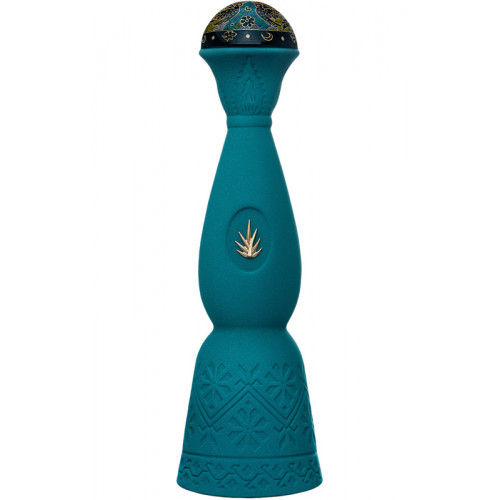
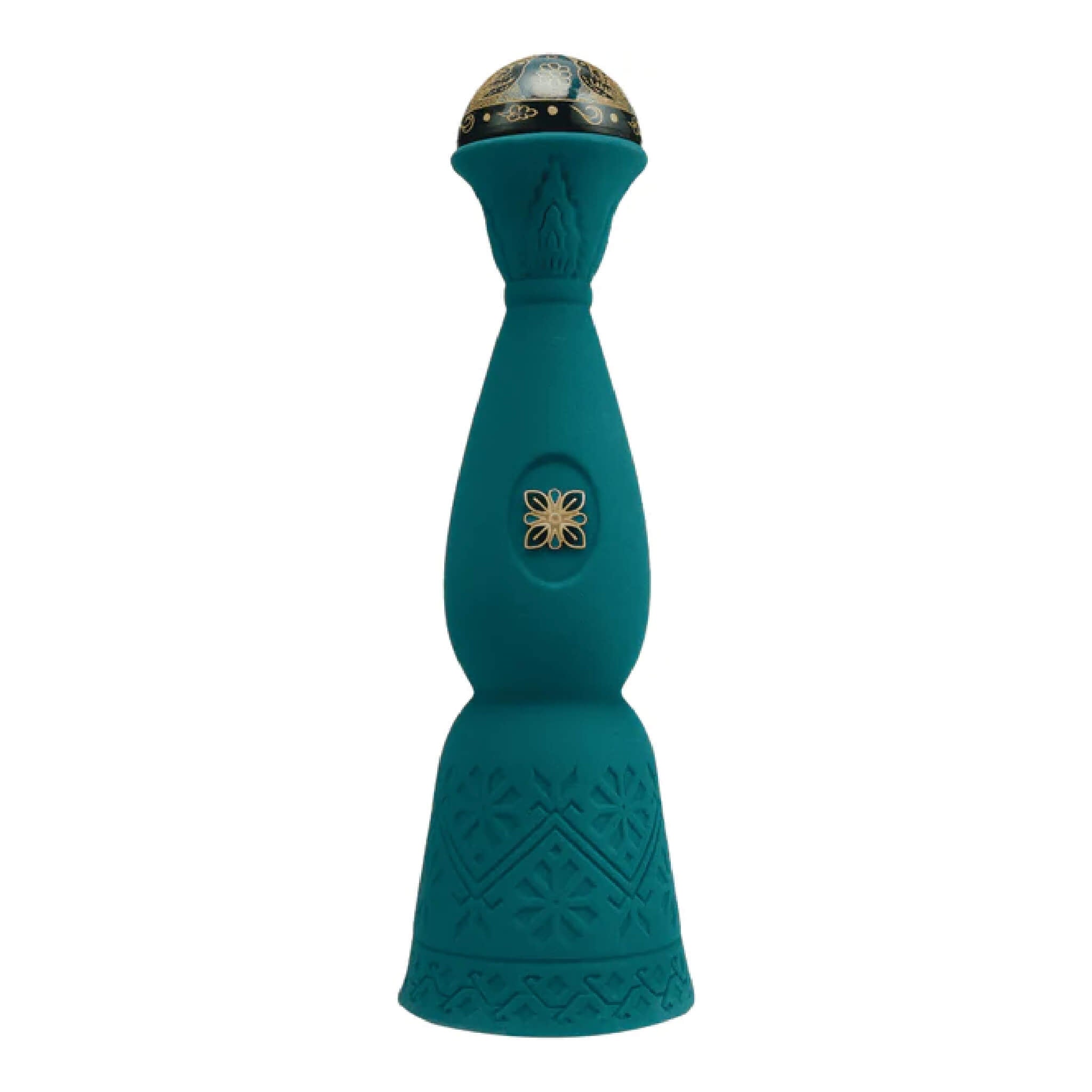
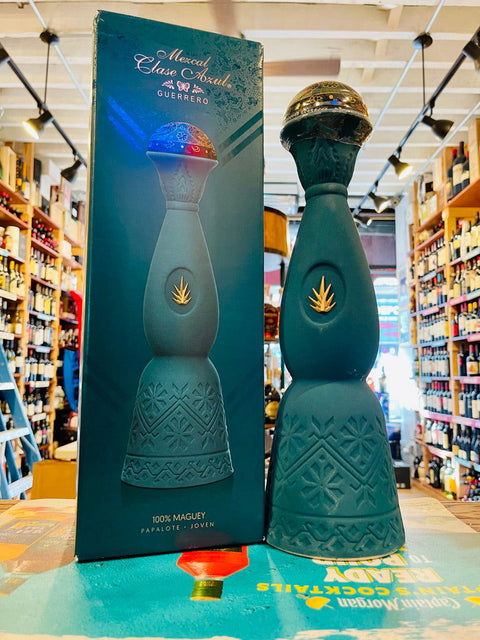
Clase Azul positions Guerrero Mezcal not only as a drink but as a cultural tribute: the bottle’s decanter is handcrafted, with design elements meant to reflect the artisanal heritage and mysticism of Guerrero. (claseazul.com)
In the sections below, we’ll explore how it’s made, how it tastes, what people commonly ask about it (and answers), what it’s good for — and a balanced conclusion about its strengths and caveats.
Origins & How It’s Made — From Papalote Agave to Bottle
🌱 Agave Source & Region
- Agave variety: Papalote agave (Agave cupreata), a wild-growing species rather than commonly cultivated commercial agave. Clase Azul Mezcal Guerrero uses 100% Papalote. (huntbourbon.com)
- Growing conditions: The agave grows in the mountainous regions of Guerrero, where a mix of forested highlands and coastal-influenced climate contribute to its terroir. This unique environment supposedly brings both forest-earthiness and subtle marine/coastal nuance to the agave’s character. (huntbourbon.com)
🔥 Traditional, Artisanal Production
Clase Azul reports that Mezcal Guerrero is produced using traditional artisanal methods, rather than industrial shortcuts: the agaves are cooked in a pit (a common traditional method) over firewood (from local woods such as Guamúchil), then milled and fermented before distillation. The distillation is done in small batches using a copper still. (huntbourbon.com)
This approach contrasts with mass-produced mezcal/tequila which may use fast, industrial ovens or automated milling — so Guerrero aims to stay faithful to ancestral mezcal techniques. (Whisky Gallery Global)
🍾 Packaging & Cultural Significance
- The bottle is more than a container — it’s described as a “decanter” that embodies the artisanal heritage of Guerrero. The decanter’s design — handcrafted, often with handcrafted cap — is intended to represent regional craftsmanship and cultural elements: local artistry, symbolism tied to Guerrero’s history, landscape, and people. (claseazul.com)
- As such, the purchase of Clase Azul Mezcal Guerrero is partly about the liquid inside — and partly about owning a piece of cultural-artistic expression. This contributes to its positioning as a premium, luxury mezcal rather than a simple everyday spirit. (vinosbaco.com)
Tasting Profile — What Does Clase Azul Mezcal Guerrero Taste and Smell Like?
Understanding the flavor profile of Mezcal Guerrero helps situate where it falls in the spectrum of mezcals (from vegetal/earthy/traditional to smooth/polished/modern).
Based on tasting notes from producers, retailers, and independent reviews, here is a breakdown of what you can expect from this mezcal.
👃 Aroma / Nose
Typical aroma characteristics reported:
- Grapefruit zest / citrus peel — bright citrus notes, bringing freshness. (claseazul.com)
- Freshly cut wood / forest-wood / green wood — a vegetal, woody undertone that evokes the forested environment where the agave grows. (claseazul.com)
- Herbal notes — rosemary, wild herbs — some herbal complexity, adding depth beyond just fruit or wood. (claseazul.com)
- Toasted peanuts / nutty or peanut-oil undertones — adding an interesting nutty or slightly fatty aroma that may reflect certain compounds carried through distillation. (claseazul.com)
- Subtle floral / butter / delicate flower hints — some lighter, delicate notes like daisies or soft floral tones, per the producer’s tasting notes. (claseazul.com)
Together, the nose suggests a mezcal that blends vegetal, herbal, citrus, wood, and nutty/floral complexity — more layered than many basic mezcals.
🥃 Palate / Taste & Body
Upon tasting, the following flavor and texture notes are commonly described for Mezcal Guerrero:
- Body: Full-bodied — the mezcal has weight and presence, not a thin or weak spirit. (claseazul.com)
- Fresh wood, vegetal and forest-like character: Echoing the nose, you may taste “fresh wood” or “green agave/forest floor” sensations — a connection to the wild agave source and natural environment. (huntbourbon.com)
- Saline / sea-breeze or marine-coastal notes: Some describe subtle salinity or sea-influenced mineral notes (seaweed, coastal herb), reflecting the coastal-forest geography of Guerrero. (huntbourbon.com)
- Citrus & fruit undertones — lemon or grapefruit, citrus zest: Bright citrus emerges (lemon / grapefruit / citrus zest) which adds freshness and liveliness. (huntbourbon.com)
- Pepper, slight spice, subtle tobacco or smoke: On the palate (or finish) some pepperiness or mild smoke / earthy tobacco-like notes can show up, giving depth beyond simple sweetness or fruit. (huntbourbon.com)
- Finish: Many describe a long, layered finish — vegetal / wood / mineral / salty-seaweed notes, subtle bitterness or brine, and lingering herbal/spice echoes. (Falstaff)
Overall: Mezcal Guerrero is often described as complex, layered, fresh-yet-earthy, with a mix of herbal, wood, citrus, mineral, and gentle smoky/spicy character — making it stand out among many more straightforward or heavily smokey mezcals.
⭐ Critical Acclaim — Recognition
- In a recent 2024 review by a major spirits magazine, Clase Azul Mezcal Guerrero scored 95 / 100 points. The tasting notes highlighted a “demanding, complex bouquet with hints of steamed vegetables, pepper brine and a hint of smoke,” and praised its “enormous length and complexity on the finish.” (Falstaff)
- User and retailer reviews often highlight its “full body,” “fresh and vibrant character,” and “rare agave + terroir-driven complexity.” (Broadway Wine N Liquor)
That said — like many premium mezcals — it tends to polarize opinions: some appreciate the refinement and subtleties; others criticize perceived overpricing or compare the value of the bottle vs contents. (Reddit)
“People Also Ask” — Common Questions About Clase Azul Mezcal Guerrero (And Answers)
Here is a roundup of frequently searched or common questions about this mezcal — along with answers based on publicly available information from producers, retailers, and reviews.
Q: What agave is used in Clase Azul Mezcal Guerrero?
A: It is made from 100% wild Papalote agave (Agave cupreata), native to Guerrero’s mountainous, forested terrain. (huntbourbon.com)
Q: Where is Mezcal Guerrero produced (region)?
A: In the state of Guerrero, Mexico — using agave wild-grown in the hills of Guerrero, where both forested highlands and coastal influence may shape the terroir. (huntbourbon.com)
Q: What is the alcohol by volume (ABV) of Clase Azul Mezcal Guerrero?
A: The mezcal is bottled at 42% ABV. (mezcalreviews.com)
Q: What does it taste like — what are the characteristic flavor/aroma notes?
A: As mentioned above: on the nose — grapefruit zest, fresh wood, herbs (e.g. rosemary), toasted nuts; on the palate — fresh wood, coastal/mineral (seaweed/salt), citrus (lemon/bergamot/zest), pepperiness, subtle smoke or tobacco, vegetal-forest influences; with a long, complex, slightly smoky / mineral / herbal finish. (claseazul.com)
Q: Is Clase Azul Mezcal Guerrero aged or unaged?
A: It is a joven / joven-style artesanal mezcal — that is, unaged (or only minimally aged, if at all), reflecting traditional mezcal style more than aged spirits like reposado or añejo tequila. According to one retailer’s listing, it is “Young, Artisanal Mezcal” with no wood-aging after distillation. (vilaviniteca.es)
Q: How is Clase Azul Mezcal Guerrero best served?
A: Many suggest drinking it neat (at room temperature) to appreciate its complexity — in a traditional clay copita or mezcal glass. (Liquor Royale)
It can also be appreciated “on the rocks,” or paired with food: for example, fresh seafood, ceviche, mild cheeses, fresh goat cheese, or tapas — which complement citrus, mineral, herbal and wood notes. (Broadway Wine N Liquor)
Q: What makes Guerrero different from other mezcals or other plantations by Clase Azul?
A: Several factors:
- The use of wild Papalote agave, rather than common cultivated agave varieties. (mezcalreviews.com)
- The terroir: Guerrero’s humid mountainous + coastal-forest environment — which may impart unique mineral/sea-influenced and forest-herbal notes. (huntbourbon.com)
- Artisanal production: cooked in traditional pit oven over firewood, small-batch copper still distillation, minimal industrial intervention. (huntbourbon.com)
- Cultural and artistic presentation: the handcrafted decanter and symbolic design connect the spirit to Guerrero’s culture and craftsmanship. (claseazul.com)
Q: Is Clase Azul Mezcal Guerrero worth its price / is it premium?
A: It’s marketed as a premium mezcal: the rarity of Papalote agave, wild-harvest, artisanal distillation, and handcrafted decanter contribute to higher cost. Many reviewers value its unique flavor profile, complexity, and cultural packaging, considering it one of the more refined mezcals on the market — especially for sipping. (Falstaff)
However, some critics (especially among mezcal purists or budget-conscious buyers) question the markup: they argue you may pay as much for the bottle and brand as for the liquid itself. (Reddit)
Reception, Strengths & Criticisms — Balanced View of What People Like and Don’t Like
No spirit — especially premium mezcal — is universally loved. Here’s a breakdown of what tends to stand out for fans of Mezcal Guerrero, and what tends to draw criticism.
✅ Strengths & What People Praise
- Unique taste and complexity: Many appreciate the layered sensory profile — herbal, woody, coastal minerals, citrus, subtle smoke — which sets it apart from more typical mezcal profiles. The 2024 95-point rating from a respected reviewer is a strong testament. (Falstaff)
- Artisanal, terroir-driven production: Use of wild Papalote agave, traditional cooking and distillation, small-batch artistry — for many, this authentic approach translates into a richer, more “real” mezcal experience than mass-market alternatives. (huntbourbon.com)
- Beautiful, collectible packaging: The handcrafted decanter reflects Mexican artisan heritage; many buyers value this as an art object / collectible, beyond its function as a bottle. (claseazul.com)
- Versatility — sipping & pairing: Its profile — citrusy, herbal, mineral, and fresh yet complex — makes it suitable not only for neat sipping but also food pairings (seafood, light cheeses, tapas), where gin or whiskey might feel heavy. (Broadway Wine N Liquor)
- Gateway mezcal for newcomers: For people new to mezcal — who might find smoke-heavy, traditional mezcals challenging — Guerrero offers a more balanced, approachable, yet still artisanal, entry point. Its smoothness and clarity can be more welcoming than harsh mezcal or mezcal-heavy smoke profiles.
⚠️ Criticisms, Limitations & What Some Drinkers Don’t Like
- Price vs content debate: A recurring critique is that a big part of what you pay for is the bottle, branding, and marketing — not necessarily the liquid. Some mezcal aficionados on forums say there are better-quality mezcals at lower price points. For example:
“There are countless mezcals that blow Clase Azul out of the water for a fraction of the cost.” (Reddit)
or
“…you are mostly paying for the bottle.” (Reddit) - Less “traditional mezcal grit”: For purists who love heavy smokiness, strong vegetal or agave-forward character, or wild-fermented funk, Guerrero may seem too polished or refined — lacking the raw, rustic character many associate with traditional mezcal.
- Potential over-expectation: Because of high score reviews, premium price and beautiful packaging, expectations might be very high; some drinkers may be disappointed if they expect exotic extremes rather than balanced subtlety.
- Scarcity and high mark-up in many markets: Given its reputation and demand, supplies may be limited — which can drive up price, making it even more premium and less accessible, especially outside Mexico. (hsmswc.com)
- Inconsistent perception among reviewers: While many praise its complexity and balance, others find its aromas/flavors too soft or feel that it doesn’t stand out compared to other high-quality mezcals — suggesting that personal taste and expectations play a big role.
In sum: Mezcal Guerrero tends to divide opinions — a “love it” among those valuing craftsmanship, elegance, and balanced flavor; a “why pay that much” among traditionalists or value-focused drinkers.
Serving, Pairing & Best Use Cases — How to Enjoy Mezcal Guerrero
Given its profile and character, here are recommended ways to drink and enjoy Clase Azul Mezcal Guerrero to get the most out of it:
🥃 Best Serve: Neat or Slightly Chilled
- Neat, at room temperature, in a traditional mezcal glass (copita) — allows aroma and complexity to open up, letting you appreciate the botanicals, wood, citrus and mineral notes fully.
- Slightly chilled / with a few drops of water or ice — can soften the alcohol, open up herbal and mineral notes — beneficial for those new to mezcal or preferring smoother sips.
🍽️ Pairings
Because of its herbal-citrus-wood-mineral profile, Guerrero pairs well with:
- Seafood / Shellfish — oysters, ceviche, grilled shrimp: the mezcal’s subtle salinity, citrus and herbal notes match well with seafood freshness. (Broadway Wine N Liquor)
- Light cheeses (e.g., fresh goat cheese), mild tapas, olives, citrus-based dishes — bringing out the mezcal’s wood, herb and citrus aspects while complementing mild, savory or tangy flavors. (claseazul.com)
- Fresh fruit, light desserts (citrus, tropical fruit, light creams) — citrus, herb and mineral tones can harmonize with fruit acidity or creams/desserts’ sweetness. (huntbourbon.com)
🍸 Cocktail Use (With Caution)
- Because it’s a relatively refined, balanced mezcal — it can work in cocktails, especially ones designed to highlight herbal, mineral or citrus flavors (e.g., mezcal-gin highball, mezcal-citrus spritz, upscale margaritas). Some retailers mention its suitability as a cocktail base. (Liquor Royale)
- But — many enthusiasts suggest that because of its complexity and premium nature, neat or simple serve is the best way to appreciate it. Heavy mixers or sugary cocktails may mask its subtleties.
Why Clase Azul Mezcal Guerrero Matters — Its Place in the Mezcal & Spirits Landscape
Clase Azul Mezcal Guerrero holds a special place among modern mezcals for several reasons:
- Representation of under-recognized terroir: Guerrero is not among the most globally famous mezcal regions. By sourcing Papalote agave from Guerrero’s wild highlands, this mezcal brings attention to a less-exported, culturally rich and ecologically diverse region — broadening the global conversation about mezcal diversity.
- Blending tradition with modern premium positioning: While staying true to artisanal distillation techniques, the product is packaged elegantly, appealing to global luxury-spirits consumers. This helps present mezcal not just as rustic liquor but as a refined, collectible spirit — possibly attracting new audiences beyond traditional mezcal drinkers.
- Showcasing diversity of agave species and flavor profiles: Many mezcals rely on common agave species (e.g., Espadín). Papalote is rarer, wild, and less used in mass production. Guerrero demonstrates what lesser-known maguey can deliver — complexity, forest/coastal minerality, herbal and wood interplay — expanding the perception of what mezcal can taste like.
- Stimulating conversation about value, craftsmanship, and packaging vs liquid content: As a premium-priced mezcal with high-end bottle design, Guerrero provokes debate about the balance between liquid quality, cultural/artistic packaging, and marketing. This applies broadly to spirits culture (not only mezcal), prompting reflection on what one values: taste, heritage, aesthetics, or status.
Thus, Mezcal Guerrero is more than a drink — it’s a statement about cultural heritage, biodiversity, artisanal craft, and the evolving global identity of mezcal.
Critical Reflection — Strengths, Trade-offs, and What to Keep in Mind
As with any high-end or artisanal spirit, enjoying Mezcal Guerrero requires balancing expectations and understanding trade-offs. Here’s a nuanced take:
✅ Strengths
- Authentic, artisanal production using wild Papalote agave — preserving terroir-driven character.
- Complex, layered flavor — citrus, herb, wood, mineral, vegetal, occasional smoke — that evolves over time.
- Beautiful, handcrafted decanter — appealing for collectors, as a gift, or statement piece.
- Versatility — works neat, possibly on ice, pairs with food, and can (with caution) serve as cocktail base.
- Acts as a bridge: more approachable than heavily smoky traditional mezcals; more characterful than generic mass-market spirits — good for newcomers and experienced drinkers.
⚠️ Trade-offs & Possible Downsides
- High price — premium positioning and packaging inflate cost compared to simpler mezcal or traditional spirits.
- Some critics argue the value is uneven — you may pay a lot for the bottle/design rather than superior liquid.
- Because of its refinement, may lack the intense smokiness or raw agave “bite” traditional mezcal fans appreciate.
- Rarity and demand can make availability limited, especially outside Mexico — potentially making it expensive or hard to find.
- Personal taste dependency — its herbal, mineral, citrus, woody profile may not appeal to those expecting heavy smoke or sweeter mezcal.
“People Also Ask” — Recap of Key FAQs & Their Answers
| Question | Answer |
|---|---|
| What agave is used? | 100% wild Papalote agave (Agave cupreata), from Guerrero. (claseazul.com) |
| Where is it made? | State of Guerrero, Mexico — using agave wild-harvested in its mountainous, forested/coastal terrain. (huntbourbon.com) |
| What is its ABV? | 42% alcohol by volume. (mezcalreviews.com) |
| Is it aged or a joven mezcal? | It is classified as a joven / artisanal mezcal — there is no significant wood-aging after distillation. (Vinosylicores.com) |
| What does it taste like? | Complex bouquet: citrus (grapefruit, lemon), fresh wood/forest, herbs (rosemary, wild herbs), toasted nuts; palate: wood, mineral/seaweed-like salts, citrus zest, pepper, subtle smoke or tobacco; finish: long, herbal-mineral-wood balanced. (claseazul.com) |
| How should it be consumed? | Best neat, perhaps slightly chilled. It pairs well with seafood, fresh cheese, mild tapas, and can be served in a mezcal copita or simple glass. It can also — with caution — be used in cocktails. |
| What makes it different from other mezcals? | The use of wild Papalote agave, Guerrero terroir (mountain + forest + coastal influences), traditional artisanal process, and handcrafted decanter distinguish it from mass-market mezcal or tequila-based spirits. (huntbourbon.com) |
| Is it worth the premium price? | For those who value craftsmanship, uniqueness, bottle as art, and nuanced mezcal flavor — many think yes. For budget-conscious drinkers or those seeking heavy smoke or simpler mezcal — maybe not. |
Conclusion — Final Thoughts on Clase Azul Mezcal Guerrero
Clase Azul Mezcal Guerrero is a distinctive, ambitious spirit that aims to represent the terroir, tradition, and artisanal craft of Guerrero, Mexico — delivering a mezcal that is as much about cultural storytelling and aesthetics as about the liquid itself. Its use of rare Papalote agave, traditional processing, forest/coastal-influenced terroir, and handcrafted decanter make it stand out among many mass-market or generic mezcals.
For many drinkers — especially those open to nuance, complexity, and subtlety — Guerrero offers a rich, layered, and elegant mezcal: herbal and woody, mineral and vegetal, with bright citrus and a long, complex finish. It’s a mezcal that rewards slow sipping, contemplation, and pairing with food.
That said, its premium price, luxury packaging, and refined style make it a statement bottle — best suited for special occasions, gifting, or as a centerpiece on a spirits shelf, rather than an everyday mixer. For traditional mezcal aficionados who prefer raw, smoky, rustic, or simpler maguey-forward expressions, Guerrero might feel too polished or expensive for what it delivers.
In my view: Mezcal Guerrero is worth trying, especially if you appreciate craft spirits, want to explore diverse agave species, or value cultural-artistic presentation along with taste. It’s not “the only mezcal to drink” — but it’s a strong example of what modern, terroir-driven, artisanal mezcal can offer: complexity, character, and story.
If you like — I can build a comparison table of 5–10 other high-quality mezcals (with different agave types, regions, and styles) to help you compare with Mezcal Guerrero — maybe that helps you find what suits YOUR palate best. Do you want me to create that table for you now?

Aviation Old Tom Gin
Hibiki Japanese Harmony Whisky
Belvedere Ginger Vodka 


Reviews
There are no reviews yet.