Clase Azul Día de Muertos Colores 2022 Edition Tequila
Overview: What Is Clase Azul Día de Muertos Colores 2022
“Día de Muertos Colores 2022” is a limited‑edition tequila release by Clase Azul (now Clase Azul México), part of their annual Día de Muertos (Day of the Dead) series. The 2022 edition is called Colores (“colors”), meant to evoke the vivid, bright decorations, sugar skulls, marigolds, papel picado and other artistry around that holiday. (Modern Luxury)
Key high‑level facts:
- It is an añejo tequila. (Lavo Wine)
- ABV: 40% (80 proof). (Lavo Wine)
- Bottle size: 1 liter decanter. (Lavo Wine)
- Global production is limited to about 6,500 decanters. (Lavo Wine)
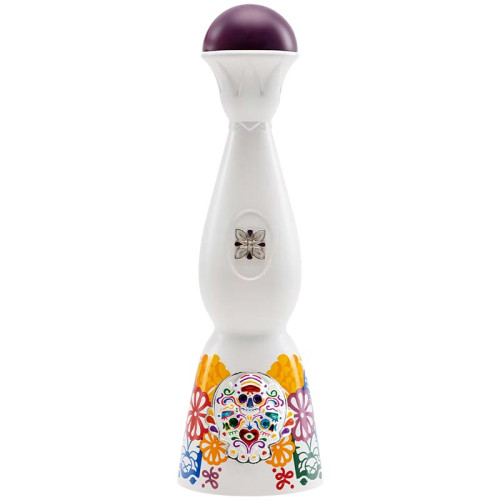
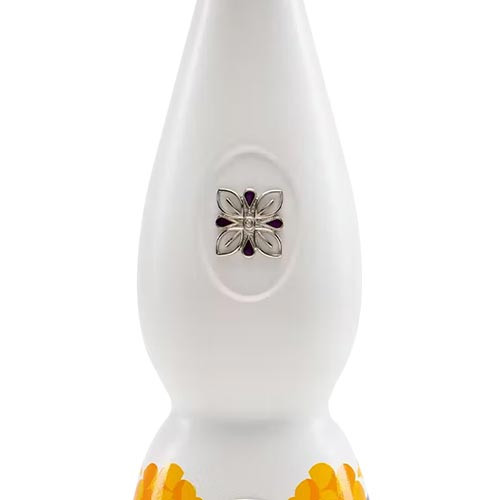
- Aesthetics: handmade, ceramic decanter, white‑glazed exterior, ornamented with silver/silver‑plated ornament handmade by Mexican artisans (about 12 days of work). The design features Día de Muertos iconography: marigold flowers (cempasúchil), sugar skulls (“calaveritas”), papel picado, alfeñiques (sugar confections) etc. (Lavo Wine)
- Aging / finish: The tequila is aged for 28 months: 22 months in American whiskey casks, then finished for ~6 months in rum casks (specifically rhum agricole from Martinique). (Lavo Wine)
So it is a fairly long‑aged añejo (28 months) with a rum cask finish, designed to be a collector’s piece: both beautiful in bottle and rich in flavor.
Production & Craftsmanship: How It’s Made
To appreciate what makes Colores 2022 special, here’s a look at production steps and craftsmanship:
- Agave Source
Uses 100% Blue Weber agave. Grown in the Jalisco Highlands (Altos de Jalisco), notably around Jesús María in Arandas. (Caskers) - Distillation & Tequila Base
The base is an añejo tequila, meaning after distillation it was aged. Clase Azul’s products are typically double‑distilled. Although precise details of cooking (brick oven vs autoclave etc.) for this edition are not always disclosed in all sources, the aging regime is clearly stated. (Caskers) - Aging
- First stage: ~22 months in American whiskey casks. (Lavo Wine)
- Second stage: finishing in rum casks from Martinique for ~6 months. The rum casks are “rhum agricole,” which are made from sugarcane juice, unlike molasses‑based rums, giving more of a grassy / fresh sugarcane influence. This finishing imparts additional flavor layers. (Lavo Wine)
- Bottle / Decanter Artistry
- The decanter is ceramic, white glazed. (Modern Luxury)
- Ornament: silver‑plated ornament handmade by Mexican artisans (~12 days work). (Lavo Wine)
- Exterior design: colorful illustrations of marigolds, sugar skulls, papel picado, alfeñiques, symbolic representational art of Día de Muertos traditions. (Lavo Wine)
- Limitedness
- Only 6,500 decanters globally. (Lavo Wine)
- Once sold, relatively rare; prices in many places indicate collectors paying much more. (classicliquorshop.com)
So the product is made with care both in liquid aging and in presentation, with deliberate finishing steps to elevate flavor.
Tasting Profile: What It Smells, Tastes, Feels Like
Here’s a synthesis of tasting notes from multiple sources: nose, palate, finish, mouthfeel.
| Aspect | Notes / Characteristics |
|---|---|
| Color / Appearance | Amber, with golden highlights. Rich hue associated with longer aging and finish. (Lavo Wine) |
| Nose / Aroma | Sugarcane juice; quince marmalade; dried fruits; toasted walnut; almond; also notes of vanilla, possibly gentle rum influence, maybe spice from finish. (classicliquorshop.com) |
| Palate / Taste | Candied orange peel; clove; walnut; cacao; rich sweetness; smooth oak; subtle rum finish flavors (likely vanilla, sugar cane, exotic fruit notes depending on rum casks). (Lavo Wine) |
| Finish | Long, sumptuous; lingering sugarcane juice; toasted oak; warmth and depth; the rum cask finish adds a softness, maybe spice, and complexity. (Lavo Wine) |
| Mouthfeel & Body | Full body; rich, smooth; silkier than many younger tequilas; designed for sipping and contemplation. (Lavo Wine) |
If you sip it neat (which many reviewers suggest), it reveals layers: the base aged tequila, then rum finish, oak, nuts, dried fruit, sweet spice. It’s not an agressive tequila; it leans luxurious.
“People Also Ask” ‑ Style Questions & Answers
Here are many of the common questions people search about this edition, with answers and caveats.
- What does “Colores” mean for this edition?
Answer: “Colores” means “colors” in Spanish. In this context, it refers to the vibrant, multicolored decorations, sugar skulls, papel picado, marigolds and alfeñiques typical of Día de Muertos. The decanter artwork, ornament, and design are very colorful, meant to evoke festival vibrancy. (classicliquorshop.com) - Is it an añejo or joven or other type?
Answer: It is añejo tequila. It is aged (22 months in whiskey casks + 6 months in rum casks), not joven or joven blend. (Lavo Wine) - What is its proof / ABV?
Answer: 40% ABV, which is standard for many premium tequila special editions. (Lavo Wine) - How many bottles were made?
Answer: Approximately 6,500 decanters globally. (Lavo Wine) - What is the aging and finishing process?
Answer: 28 months in total: 22 months in American whiskey barrels, then finishing for ~6 months in rum casks from Martinique (rhum agricole). The rum finish contributes nuance: sweetness, sugarcane notes, perhaps floral or fruitiness depending on the barrel. (Lavo Wine) - What are the tasting notes?
Answer:- Nose: sugarcane juice, quince marmalade, dried fruit, toasted walnut, almond. (classicliquorshop.com)
- Palate: candied orange peel, clove, walnut, cacao; rich oak influence. (classicliquorshop.com)
- Finish: long and sumptuous; lingering sugarcane juice and toasted oak. (classicliquorshop.com)
- What is the decanter / packaging like?
Answer: The decanter is large (1 L), ceramic, white‑glazed, with ornate and colorful artwork: sugar skull motif, marigold (cempasúchil), papel picado, alfeñiques, etc. There is a silver or silver‑plated ornament element that is handmade and takes ~12 days to complete. Each decanter is a piece of artisan work. (Lavo Wine) - What is the origin / distillery / terroir?
Answer: Produced by Clase Azul (Productos Finos de Agave), NOM 1416. Agaves are Blue Weber, grown in the Highlands (Los Altos) of Jalisco (Jesus María region). (Caskers) - How expensive is it / was its launch price?
Answer: According to sources, the launch/retail price was about US$1,050 for the bottle. (Modern Luxury) But many retailers now list it at much higher prices, often far above that, due to collector demand. (Liquor Stars) - Is it good value?
Answer: That depends on what you value:
- If you value aesthetics, craftsmanship, rarity, and enjoy sipping tequila slowly, with nuance, then many would argue yes; this is a premium piece both in liquored content and design.
- If you are comparing purely on flavor‑per‑dollar or want a tequila for mixing, you may find less expensive añejo tequilas that deliver strong flavor without the high premium.
- Is the finish in rum casks significant?
Answer: Yes: finishing in rum casks (especially rhum agricole) adds layers of flavor: sugarcane/vegetal sugar, possibly tropical fruit or sugarcane sweetness, added complexity. It softens harshness, adds aroma/flavor nuance beyond the base aged tequila. In this edition it is quite important to its character. (Lavo Wine) - How should one drink it / what pairings are good?
Answer: Best sipped neat in a spirits or tequila tasting glass (tulip, Glencairn, etc.) at a calm temperature, so aroma opens. Maybe paired with desserts that complement dried fruit, nuts, cacao. Pair with dark chocolate, perhaps citrus zests or nutty desserts. Avoid heavy mixers which might mask the finishing nuance. - What are criticisms or downsides people mention?
Answer: Some notes from community feedback:
- Very high price, especially on secondary market. For some, cost is much more than flavor alone justifies.
- Some might prefer more transparency of production steps (more detail about barrel char, etc.).
- Some people view Clase Azul’s special editions as more about the bottle / art than about liquid innovation.
- Some in tequila‑enthusiast communities express concern over consistency or whether the rum finish masks tequila character.
- Is this tequila additive‑free / natural?
Answer: I did not find a reliable source explicitly stating that this edition is additive‑free (in terms of colorants, sweeteners, etc.). Many tequila purists ask this question, but the official product descriptions emphasize “premium”, “100% Blue Weber agave”, etc., but don’t always explicitly mention “no additives”. So unless the bottle label or brand makes that claim, one cannot assume.
Criticisms & Community Views
As with many high‑end tequila limited releases, there is a mix of admiration and skepticism. Some recurring criticisms or caveats from reviewers / tequila enthusiasts:
- Price vs Liquid: Many people feel the bottle price is very high, and while the flavor is good, you are largely paying for packaging, artistry, branding, and limitedness rather than radically better tequila than lower‑cost, well‑made añejos.
- Bottle as Showpiece: Some buyers are more interested in the decanter as art/display than in consuming the tequila. For those, taste may be secondary.
- Consistency & Flavor Variation: Some mention that Clase Azul’s special editions across years can feel somewhat similar, in terms of vanilla, oak, sweetness, rather than groundbreaking difference. For collectors, uniqueness works; for flavor seekers, expectations must be moderated.
- Rum Finish as a Double‑Edged Sword: While rum cask finishing adds complexity, it can also pull flavor away from pure agave/tequila character for those who prefer a more “classic” añejo profile. Some drinkers may feel the rum notes are too strong.
- Value for Your Market: In markets with high import taxes, duty, or where the bottle is hard to find, the cost you pay may be hugely inflated; in those cases, value may decline relative to what you could pay for other premium tequilas.
Comparisons: How It Stacks Up vs Other Clase Azul Editions and Other Premium Añejo Tequilas
Here are some comparisons to help you gauge where Colores 2022 fits and when someone might prefer it vs alternatives.
| Comparator | Differences / Advantages for Colores 2022 | Disadvantages / Where Others May Prevail |
|---|---|---|
| Versus standard Clase Azul Añejo | Colores has more aging (28 months vs ~24+?), rum finish adds flavor nuance; packaging is special collector edition. | Standard Añejo is cheaper, more available; less premium packaging; less collectible. |
| Versus other Día de Muertos editions | As Colores is the “Colores” theme, it emphasizes decorative color, rum finishing, long aging; possibly richer/more complex than some earlier editions. | Earlier editions like “Sabores” may have flavor themes some prefer; prior bottles may be priced lower now. |
| Versus other premium añejo tequilas (non‑Clase Azul) | Good finish, complex aging, design, availability in limited runs; for lovers of rum finish and rich oak this is interesting. | Some other brands may offer similar or greater age, higher proof, more agave purity; or more transparent production; sometimes better value in liquid vs cost. |
| Collectors vs drinkers | For collectors, the decanter and limited run make it attractive; display value is high. | For drinkers who want flavor above prestige, much of what you pay is for the bottle (ceramics, ornamentation) rather than just the spirit inside. |
Pricing & Availability
- Launched price (official) ~ US$1,050 for the bottle. (Modern Luxury)
- Many retailers now list much higher prices due to scarcity and demand. Some sites show prices in the thousands of USD (or local equivalent). (Liquor Stars)
- Bottle is 1 L; ABV 40% everywhere. (Lavo Wine)
- Limited to 6,500 decanters globally. (Lavo Wine)
- Availability is often via specialty liquor stores, Clase Azul boutiques, online resellers, etc. Because of limitedness, many listings are out of stock or priced high.
What to Expect / Who It’s For
From combining all that, here’s who this tequila is likely to appeal to, and when it might be worth acquiring.
Strengths & Appeal
- Beautiful design & craftsmanship: for those who value art, tradition, presentation, and want a bottle that is striking.
- Rich, complex flavor: the aging + rum finish give layers of oak, fruit, dried fruit, sugarcane, spice, nuts. Good for sipping.
- Collectibility: limited run, nice decanter, annual series, cultural symbolism around Día de Muertos adds emotional/cultural value.
- Gift‑worthiness: presentation makes it an impressive gift.
Potential Drawbacks
- High price: especially after markups or when bought outside a country where it’s available more directly.
- Flavor profile may be sweeter / more oak / more finish than some prefer — those wanting a more “raw agave” or less wood‑forward profile might find it less aligned.
- The bottle is heavy/fragile (ceramic, ornament) which makes shipping difficult / expensive.
- Not ideal for mixing; this is a sipper.
FAQs & Clarifications (“People Also Ask”)
Here’s a refined list of FAQs people often search, with answers and caveats:
- Is Clase Azul Día de Muertos Colores 2022 a rum finish tequila?
Answer: Yes — it is aged 22 months in American whiskey barrels, then finished for ~6 months in rum casks (rhum agricole) from Martinique. This rum finish is an important part of its flavor profile. (Lavo Wine) - How long is the tequila aged?
Answer: About 28 months total (22 months in whiskey casks, 6 months finish in rum casks). (Modern Luxury) - What is the difference between this and younger Clase Azul tequilas?
Answer: The additional aging and rum cask finishing give deeper oak, dried fruit, sugarcane‑related sweetness, spice complexity versus younger reposado or joven bottles. Also, the bottle art in this edition is more elaborate, the production smaller and more collector oriented. - Is it still produced or sold widely?
Answer: Because it is limited, it is not produced continuously. Many places are sold out; availability tends to be through premium/reseller channels. If you find it, oftentimes price is much higher than original. - Is the Colores 2022 edition additive‑free?
Answer: No official, reliable source states definitively that it is additive‑free; the descriptions focus on agave purity (100% blue Weber) but do not always mention no flavor additives or color adjustments. If that’s important, check the bottle label or with vendor. - How should I taste or serve it?
Answer: Neat is best — use a tulip or snifter glass; let it breathe a bit. Pair with dessert/dark chocolate, dried fruit, nuts for complementary flavor. Avoid heavy mixers. - What does “Nuestros Recuerdos” mean, in context of the series?
Answer: “Nuestros Recuerdos” means “Our Memories”. It’s the name of the sub‑series of Clase Azul’s Día de Muertos editions. Colores 2022 is part of Nuestros Recuerdos. In 2021 the edition was Sabores. These editions aim to evoke senses/memories associated with Día de Muertos: taste, color, aroma, etc. (Modern Luxury) - What is the symbolism of the design & ornament?
Answer: The decoration (calaveritas, marigolds, papel picado, sugar skulls, alfeñiques) is deeply tied to Día de Muertos: honoring those who passed, celebrating color and memory. The silver‑plated ornament and hand‑painting is intended to highlight artisan craftsmanship and Mexican cultural arts. Each ornament takes ~12 days to make. (Lavo Wine) - What is the price when launched vs what it is now?
Answer: Launch price ~ US$1,050. Now many retailers list much higher prices (due to rarity, collector demand, import/duty). The current street/resale price can vary widely. - Where is this tequila best purchased (to ensure authenticity)?
Answer: Official Clase Azul boutiques, reputable liquor specialty stores, and trusted online retailers. For collectible special editions, vet authenticity: check decanter quality, ornament, labeling, serial numbers if any, condition; avoid dubious online auctions where counterfeits may exist.
Critical Perspective: What to Watch Out For
While Colores 2022 is very well regarded among certain circles, here are more critical observations or things one should consider carefully.
- Premium for packaging/art: The bottle and design command a large portion of the price. For someone concerned mostly with liquid, this may feel like paying a big premium for decorative decanter rather than pure flavor.
- Rum finish vs traditional añejo character: For purists who prefer a more “straight” oak/tequila traditional añejo, the rum finish can alter flavor in ways not always preferred (maybe more sweetness, more rum character).
- Availability & markups: Rare bottles get resold, prices rise, sometimes beyond what some would consider reasonable. So actual cost (with shipping/import/taxes) in many countries may make it quite an expensive drink.
- Consistency concerns: Variability from bottle to bottle is possible—though this is true of many high‑end spirits—and with ornament/hands‑on production, quality control matters.
- Taste subjectivity: Some may find it overly sweet, or desire more agave freshness; others may find oak, wood, or spice too dominant. It depends on palate.
Conclusion
Clase Azul Día de Muertos Colores 2022 is a luxury, collector‑oriented tequila that delivers both in liquid and in presentation. Its long aging, two‑stage finish (whiskey → rum), beautiful artisan decanter, cultural symbolism, limited production, and sensory complexity make it a standout in Clase Azul’s series and among premium añejo tequilas in general.
If I were advising someone considering whether to buy it, here’s how I’d think:
- If you enjoy sipping, slow tasting, appreciating nuances (oak, dried fruit, spice, sugarcane sweetness, rum finish), and you value presentation/artistry, then this bottle is likely to give you pleasure well beyond what many basic tequilas offer. It can be both a showpiece and a tasting experience.
- If budget is a serious concern, or you want good tequila for daily sipping, there are other options that deliver excellent añejo flavor for less; the value of Colores is more in the full package (liquid + art + limitedness + story).
- If importing or buying at a mark‑up, you should calculate whether the extra cost is worth it for you personally: how much of your enjoyment comes from flavor vs bottle vs prestige.
Final verdict: For those who collect, savor, and appreciate tequila as something more than just alcohol, Colores 2022 is a worthy acquisition. For others who value flavor first, price second, it will still be enjoyable—but the decision may lean more heavily on what you are willing to spend and whether you value the artistic elements.



Reviews
There are no reviews yet.