Casa Dragones Joven Tequila
Here’s a full-featured deep dive into Casa Dragones Joven Tequila, covering what people “also ask” on Google, production, tasting notes, pros and cons, and a conclusion. If you want, I can also pull up specific recent reviews or video tastings.
Casa Dragones Joven Tequila — A Complete Guide
1. What is Casa Dragones Joven?
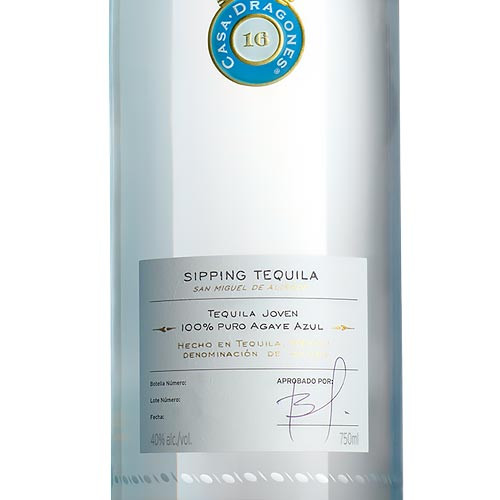
- Definition / Classification: Casa Dragones Joven is a “joven” sipping tequila, meaning it is a blend of silver (blanco) tequila with extra‑añejo aged tequila. It is crafted for sipping rather than mixing. (Casa Dragones)
- Agave: Made from 100% Blue Weber agave. (Casa Dragones)
- Aging / Blend: It combines a platinum (silver) tequila with extra‑añejo tequila aged in new American oak barrels (for about 5 years for the aged component) to create this blend. (Casa Dragones)
- Alcohol volume (ABV): 40%. (Siradis)
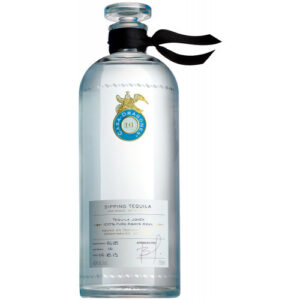
- Bottling & Packaging: Each bottle is handcrafted, lead‑free crystal, hand‑engraved using the traditional Mexican “pepita” technique, hand‑numbered, signed. Every bottle is unique. (Casa Dragones)
2. “People Also Ask” — Common Questions & Answers
Here are some of the most frequent questions people ask about Casa Dragones Joven, with what can be found online:
| Question | Answer |
|---|---|
| What does “Joven” mean in tequila terms? | Joven (Spanish for “young”) in this context refers to a blend: a joven tequila is one that combines unaged (or minimally aged) tequila with aged tequila (in this case extra‑añejo) and often is filtered to be clear, giving a crystal‑clear look though it has aged components. Casa Dragones Joven is such a blend of platinum/silver + extra añejo. (Tequila.net) |
| How is Casa Dragones Joven made / what is special about its production? | Some key features: Handcrafted in small batches, attention to detail; blending silver and extra‑añejo; aging the extra‑añejo portion in new American oak; bottle craftsmanship (lead‑free crystal, hand engraving, numbering) (Casa Dragones). Also there are methods claimed to remove impurities via filtration to give a “platinum” clarity. (Tequila.net) |
| What are its tasting notes (appearance, aroma, taste, finish)? | Appearance: crystal clear (“platinum hues”), rich silky body, long legs. (Casa Dragones) Aroma: fresh floral, citrus, sweet roasted agave. Taste: soft, smooth; notes of vanilla, spice, delicate pear, roasted or cooked agave. Finish: clean, warm, with hazelnut notes, and an open aftertaste. (Casa Dragones) |
| Is Casa Dragones Joven good neat, or should it be mixed? | It is meant for sipping neat or with food pairings. The design / product positioning is for savoring on its own rather than in cocktails. (Casa Dragones) |
| What is the price / how exclusive is it? | It is a premium tequila with significant cost. Prices vary by market; it’s considered a luxury sipping tequila. Also, the craftsmanship, limited batches, personalized bottles make it more exclusive. (Exact price depends on country, taxes, etc.) (Casa Dragones) |
| What is the bottle like / packaging? | Lead‑free crystal decanter, hand‑engraved by pepita technique, individually numbered and signed, often sold with elegant gift packaging. (Casa Dragones) |
| What are suitable food pairings or serving suggestions? | Guides suggest serving it neat, with a champagne flute or Sherry copita; pairing with Mexican cuisine, especially nixtamalised corn dishes, tacos, even mole; also with desserts or on its own. Ideal serving temperature about 17‑20°C. (Casa Dragones) |
| Does the joven style means it has additives / is it “blanco with oak flavor”? | Some critics/speculators online suggest this; however official sources emphasize it’s made from 100% Blue Agave, with aging for the extra‑añejo portion, and craftsmanship. Whether people think additives are used is discussed in reviews / forums, but the brand claims purity and quality. (Tequila.net) |
3. History & Brand Background
- Casa Dragones was founded in 2008, co‑founded by Bertha González Nieves (Mexico’s first certified Female Maestra Tequilera) and Bob Pittman. Their goal was to produce exceptional sipping tequilas. (Tequila.net)
- The name Casa Dragones refers to the Dragones of San Miguel de Allende, a cavalry that played a role in Mexico’s independence. The brand draws inspiration from that history and from San Miguel de Allende’s cultural and artistic heritage. (Casa Dragones)
- The brand positions itself in the luxury / premium tequila market, emphasizing artisan craftsmanship, presentation, and the sipping‑experience. (Casa Dragones)
4. Production & Ingredients
- Agave sourcing: 100% Blue Weber agave. The region includes Jalisco, Mexico (lowlands / plains) for the tequila. (Casa Dragones)
- Distillation: Multiple distillation with pure spring water, filtration to a “platinum” clarity. (Tequila.net)
- Aging / Blending: The extra‑añejo component is aged ~5 years in new American oak barrels. Then blended with the silver/platinum tequila to achieve the final young (“joven”) sipping tequila. (Casa Dragones)
- Bottling: Hand decanters, lead‑free crystal; each bottle is individually engraved and signed; traditional “pepita” engraving on glass; numbering. (Casa Dragones)
5. Tasting Notes & Sensory Profile
Putting together what’s reported and what critics say, here are detailed tasting notes.
| Sense | What you’ll likely detect |
|---|---|
| Appearance / Body | Crystal clear (platinum hues), heavy gloss/legs, silky body, long “legs” on the glass indicating richness. (Casa Dragones) |
| Aroma (Nose) | Fresh citrus (lemon, perhaps lime or citrus blossoms), floral notes, roasted agave sweetness, subtle vanilla, some herbs or spice, possibly a hint of oak (from the extra‑añejo) even if the tequila looks clear. (Casa Dragones) |
| Taste / Palate | Smooth, soft entry; cooked or roasted agave; undertones of vanilla, pear, mild spice; some warmth; hints of roasted sweetness. Some describe creamy texture, richness. (Casa Dragones) |
| Finish | Clean finish with warmth; notes of hazelnut; open aftertaste; lingering sweetness or roasted agave; not overly long burn, balanced with warmth. (Casa Dragones) |
6. Price, Availability & Packaging
- ABV: 40%. (Siradis)
- Bottle size: Usually 700‑750 ml (varies by market). (Siradis)
- Packaging: Premium crystal decanter, hand‑engraved, individually numbered & signed. Some editions or gift sets include special packaging or glassware. (Casa Dragones)
- Price: This is a high‑end tequila. Prices depend a lot on country, import duties, taxes, retailer. In some markets, it’s several hundreds of dollars (e.g. CHF 400+ in Switzerland etc.). (Cave Royale –)
- Exclusivity / limit: While exact production volumes are not always public, the handcrafted nature and luxury positioning suggest relatively small batches. Each bottle’s uniqueness (engraving, numbering) adds to exclusivity. (Casa Dragones)
7. Pros & Cons / Criticisms
Like any premium spirit, Casa Dragones Joven has strong praise and also some criticisms. Here’s a balanced view.
Pros
- Very smooth sipping experience; elegant, balanced flavor profile combining sweet agave, oak influences without heavy wood or overpowering smoke.
- High craftsmanship in packaging; the hand‑engraved bottles, crystal decanter, and presentation make it a luxury object and a gift item.
- Unique style: joven blurring between blanco freshness + aged tequila complexity. For people who like delicate, refined tequila, this fills a niche.
- Food pairing flexibility: it works well with fine cuisine and delicate flavours.
Cons / Criticisms
- Price is very high; many feel the cost is more for brand, packaging, prestige than for raw value relative to more traditionally made tequilas.
- Some tequila enthusiasts criticize its production methods (use of diffusers or filtration) as making the product less “traditional” or as reducing or altering natural flavor. There are online discussions claiming that it lacks strong agave presence or has too milky or filtered taste. (Reddit)
- Because it is such a refined / subtle tequila, for people who prefer bold smoky, intense, or heavily aged tequilas, this might seem light or underwhelming.
- Some perceive that the “joven” style and clarity might hide the aged component, or that blending and filtering reduce some of the depth.
8. How It Compares to Other Tequilas
To understand its place, here are comparisons / context:
- Compared to straight blancos: You get more complexity due to the extra‑añejo component; but you lose some raw vegetal/agave intensity you get in full blancos.
- Compared to reposados / añejos: Casa Dragones Joven is lighter than many añejos (because large portion is unaged/platinum), so it’s more delicate; but some aged tequilas with heavy oak might have more pronounced wood / caramel / dark flavours.
- Compared to other joven / cristalino tequilas: It tends to be more luxury‑positioned, more focused on elegance and presentation; others may offer bolder flavour, cheaper price or less refined bottle.
9. Serving, Pairings, Best Ways to Taste
- Serving temperature: Best at room temperature or slightly cooler; some sources say around 17‑20°C. (Casa Dragones)
- Glassware: Use sipping glasses or aromas‑friendly glasses, such as a Sherry copita or even a champagne flute, to concentrate aroma. (Harvey Nichols)
- Neat vs Ice / Mixers: Best neat. Ice or heavy mixers may mute the delicate florals, the subtle sweetness, and craftsmanship.
- Food Pairings: Pairs well with Mexican cuisine, especially dishes with nixtamalised corn, subtle mole, seafood, light sauces, fruits, delicate meats. Also fine with desserts or cheeses that don’t overpower. Some recommend pairing with toasted nuts. (Harvey Nichols)
10. What “People Also Ask” Might Include & Answered
Below are likely “People Also Ask” questions beyond those above, with answers.
- Does Casa Dragones Joven have additives?
According to the brand, no: they emphasize “100% Blue Agave”, natural aging, craftsmanship. However, due to the blending and polishing / filtration, there is debate whether some flavor enhancements are used. Some critics allege that it is produced via diffuser systems, which can change flavor profiles. Brand’s claims emphasize purity. (Tequila.net) - Is Casa Dragones Joven the same as a cristalino tequila?
Not exactly. While both joven and cristalino may involve blending / filtering, “cristalino” generally refers to aged tequila that has been charcoal filtered to remove color, resulting in a clear appearance. Joven is a broader category, usually includes blending of unaged & aged tequila; Casa Dragones Joven is not labeled cristalino (but some people compare effects). (Reddit) - Where is it produced (which distillery / NOM)?
Casa Dragones uses NOM 1489 (Destilería Leyros) in Jalisco, Mexico. (Casa del Tequila) - How long is the aged (extra‑añejo) component aged?
Roughly about 5 years in new American oak barrels. That portion gives complexity and aged character. (Casa del Tequila) - Is Casa Dragones Joven rare / limited batch?
Yes, small batch production, handcrafted, personalized bottles; limited release in many markets. Not mass‑produced. (Casa Dragones) - What is the ideal way to drink it?
Neat, at decent room temperature, in aroma‑friendly glass; appreciate aroma first, then palate, then finish; pairing with food can elevate experience. (Harvey Nichols) - How long does an opened bottle last?
As with most tequilas, if stored properly (upright, sealed, away from heat/light), an opened premium bottle will remain good for many months to years; flavor may degrade slowly over time. Specific info for this bottle isn’t always published.
11. Price & Market Position
- Casa Dragones Joven is positioned as luxury / high‑end tequila. The packaging, presentation, brand story, craftsmanship all support premium pricing. (Tequila.net)
- In markets like Switzerland, pricing for a 70 cl bottle is CHF ~400+ in some cases. (Casa del Tequila)
- In other markets (U.S., Europe), price fluctuates depending on duties, import taxes, retailer but generally in the premium ultra‑luxury range.
12. Prospective Value & Collector Considerations
- Because each bottle is handcrafted, engraved, numbered, signed, there is appeal for collectors.
- The brand has prestige among luxury spirits; it is likely to maintain value among certain audiences.
- That said, because the product is more style / craftsmanship / positioning + tasting experience rather than being rare in terms of age (it blends non‑aged and aged, but the aged component is not extremely old as some añejos), upside for investment may be less dramatic than for very old single‑cask vintage tequilas.
13. Summary Comparison / Verdict
Putting together all of this, here’s an overall assessment of Casa Dragones Joven.
- Strengths: Elegance, craftsmanship, smooth sipping experience, beautiful presentation, complex but not overwhelming flavor, designed for enjoying rather than mixing. For someone seeking luxury tequila and a refined experience, it delivers.
- Weaknesses: High price, subtle flavours may not satisfy those who want big, bold, smoky or heavily agave‑forward tequila; controversies or criticisms among tequila purists over production methods, diffuser usage, or perceived over‑marketing; perhaps less “depth” than some very aged single‑cask tequilas.
14. Conclusion
Casa Dragones Joven is more than just a tequila — it’s a luxury, artistry piece, a drinking experience and a statement. If you value not just flavour but presentation, story, and refinement, it can be very rewarding. It offers a smooth, floral, balanced profile combining the freshness of blanco with the complexity of aged tequila, without the heavy oak or smoke of some añejos.
However, whether it is worth the price depends on your priorities: how much you value craftsmanship, brand prestige, subtlety vs boldness in tequila, and how often you drink premium spirits. For gifting or special occasions, it stands out. For everyday tequila drinking, many might prefer more traditional options that provide more flavour bang per dollar.





Reviews
There are no reviews yet.