Barr Hill Gin & Tom Cat Reserve – Two-Pack
Here’s a detailed, in-depth article about Barr Hill Gin & Tom Cat Reserve — the “Two-Pack” — including origins, production, flavor & tasting notes, how it’s best consumed, common “People also ask” questions (with answers), pictures, analysis, and a conclusion. I’ve drawn on publicly available sources to give a thorough overview.
Introduction: What is Barr Hill Gin & Tom Cat Reserve Two-Pack
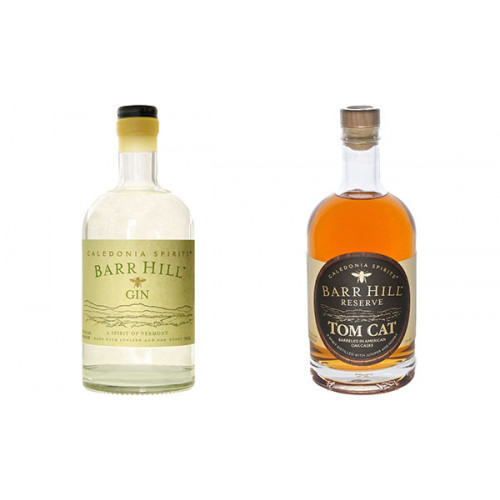
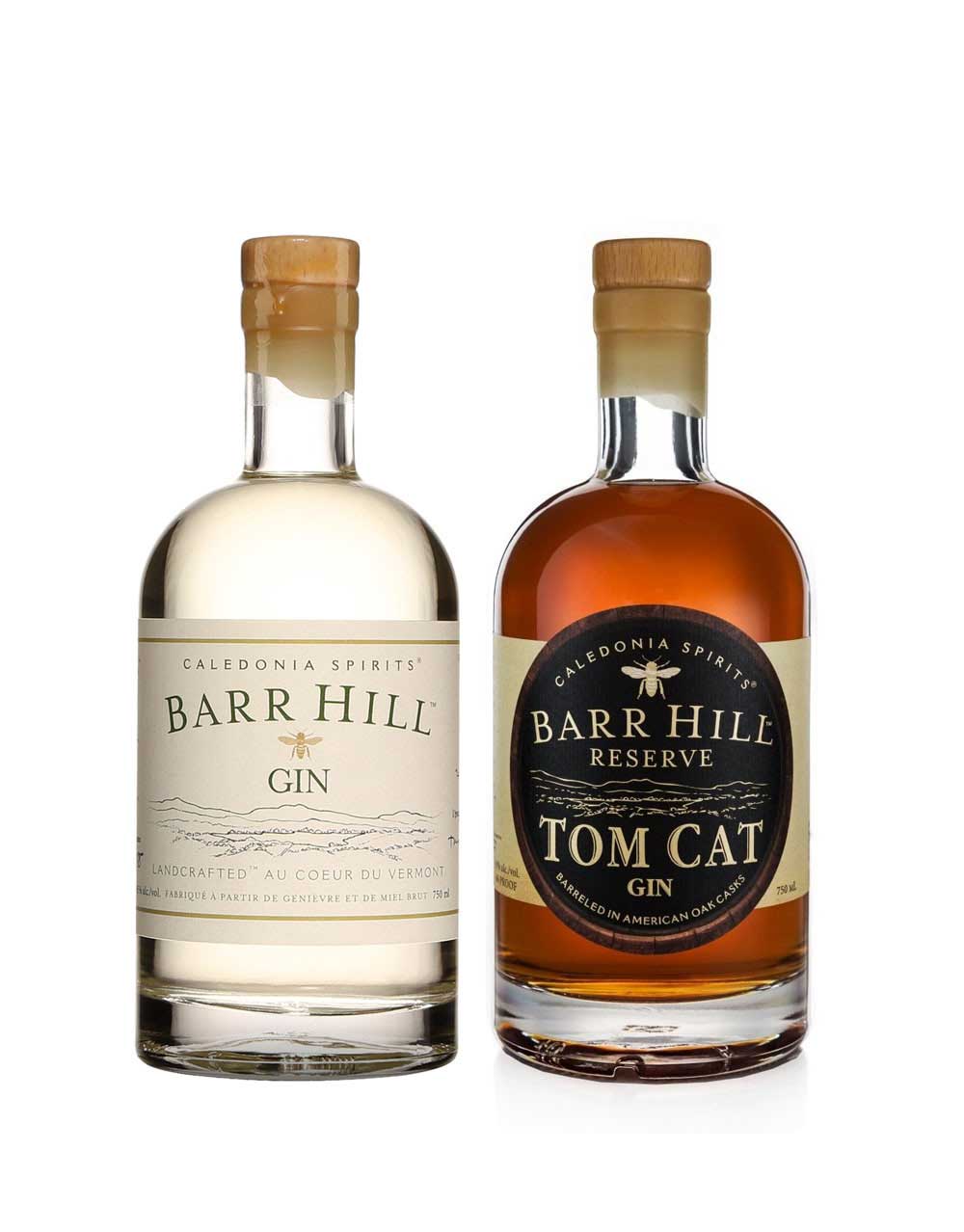
The “Barr Hill Gin & Tom Cat Reserve — Two-Pack” is a combined offering of two spirits from Vermont-based Barr Hill (produced by Caledonia Spirits). The pack typically contains:
- Barr Hill Gin — a London-dry style gin distilled with juniper and sweetened/characterized with raw Vermont honey. (royalbatch.com)
- Tom Cat Reserve — a barrel-aged / “reserve” expression of Barr Hill Gin: same base, but matured in American oak casks for several months to develop deeper, richer flavor — more like a barrel-aged gin or whiskey-style spirit. (Distiller – The Liquor Expert)
Thus, the two-pack offers a “before and after”: the bright, honey-forward gin, and its oak-aged, deeper transformation — giving lovers of gin and barrel-aged spirits a chance to compare two very different expressions from the same house. (royalbatch.com)
Because this pair is a gift/collector-style packaging, it appeals both to gin lovers wanting versatility and those curious about the aging approach to gin (less common than aged whiskies). (caskers.com)
Origins & Production: How Barr Hill Gin and Tom Cat Reserve Are Made
Barr Hill’s Background & Philosophy
- The distillery (Caledonia Spirits) is located in Vermont — on the banks of the Lamoille River, in Hardwick / northern Vermont. (royalbatch.com)
- The founder, Todd Hardie, spent decades as a beekeeper before deciding to incorporate Vermont’s raw organic honey into craft spirits — bridging his beekeeping roots with distilling. (royalbatch.com)
- The commitment to sustainability and “agricultural craft” shows through: for example, the original still for Barr Hill Gin is a recycled stainless-steel 25-gallon still. (caskers.com)
- Barr Hill Gin is unique among many gins in that it uses a minimal botanical list: only juniper during distillation; the rest of its flavor complexity comes from the raw honey, added in a second distillation. (royalbatch.com)
This approach — juniper plus honey, rather than a large mix of many botanicals — gives Barr Hill a distinctive identity: a gin where honey is not just a flavor add-on, but foundational. (caskers.com)
Barr Hill Gin Distillation & Styling
- The gin is made in a “London dry-style” gin format, but defies many conventions: by focusing on juniper + honey, rather than a broad botanical mix. (caskers.com)
- After distillation, bottles are sealed with beeswax — a nod to the founder’s beekeeping heritage and the role of honey in the gin. (caskers.com)
- Flavorwise, Barr Hill Gin displays juniper and subtle spice (often ginger notes) balanced by the sweetness and depth of raw honey. (royalbatch.com)
- Notably, Barr Hill Gin earned the Double Gold Medal at the 2012 New York International Spirits Competition — indicating its recognition among spirits critics and competitions. (caskers.com)
Transformation to Tom Cat Reserve: Barrel-Aging & Reserve Process
- To create Tom Cat Reserve, the distillery takes their base Barr Hill Gin and matures (ages) it in new American oak barrels (charred) for a period — some sources cite 3–4 months, others 4–6 months, depending on batch. (Distiller – The Liquor Expert)
- This barrel aging process contributes significant change: the charred barrels impart a brown/amber hue to the spirit, and the wood influences add deeper flavors — away from traditional gin dryness toward richer, whiskey-like notes. (royalbatch.com)
- Because of the aging + honey, Tom Cat Reserve is often described as a “modern adaptation of Old Tom gin” — blending gin botanicals with barrel/cask aging and residual sweetness. (Distiller – The Liquor Expert)
- The ABV (alcohol content) for Tom Cat Reserve is around 43% in many releases. (Distiller – The Liquor Expert)
In summary: Barr Hill’s production reflects a craft-oriented, terroir-rooted approach, combining local honey, minimal botanicals, and — for Tom Cat Reserve — barrel aging to create a hybrid gin-whiskey style.
Tasting Notes & Sensory Profile: What to Expect in Your Glass
Here’s a breakdown of the flavor and sensory profiles of both spirits in this two-pack. Because they are quite different, it’s instructive to compare them side by side:
Barr Hill Gin (the “regular” gin)
Aroma / Nose:
- Juniper — the classic gin botanical — is present, but not overwhelming. (royalbatch.com)
- Instead of heavy botanical mixes, there is a pronounced note of raw honey, imparting a softer, slightly sweet, floral / wildflower-honey aroma. (caskers.com)
- Some light spice or subtle ginger undertones — giving complexity beyond just juniper + honey. (royalbatch.com)
Palate / Taste:
- On the palate, the gin is often described as “round” and “viscous” (relatively smooth texture), with the honey character lingering, giving a sweeter, less austere profile than many dry gins. (caskers.com)
- The balance between juniper’s piney/herbal character and honey’s sweetness gives a pleasant dual nature: slightly floral, sweet, but still botanical enough to feel like gin. (royalbatch.com)
Finish:
- Juniper and honey linger on the finish, giving a sweet-herbal aftertaste rather than the harsher alcohol-forward bite some cheap gins have. (caskers.com)
Overall Impression:
Barr Hill Gin offers a refined, softer, and more “approachable” gin — ideal for those who find classic London dry gins too harsh or overly botanical. Because of the honey, it’s often considered a bridging spirit: more nuanced than flavored gin or liqueur, but sweeter and friendlier than many standard gins. (caskers.com)
Tom Cat Reserve (Barrel-Aged Gin / Reserve)
Because of the aging and wood, Tom Cat Reserve diverges substantially from “traditional gin.” Its profile is richer, deeper, and often compared to whiskey or a whiskey-gin hybrid. (Quench Magazine)
Appearance:
- In the glass, Tom Cat Reserve often exhibits a burnished amber / rose-gold hue, reflecting its time in oak casks. (vinerepublic.com)
Aroma / Nose:
- Oak and wood — the barrel influence brings in char, vanilla, caramel, and often resinous notes. (reservebar.com)
- Honey remains as an underlying character (from the base gin), but it’s now blended with woody, slightly smoky, resinous or piney notes. Some tasters even describe hints of cedar, spruce, or “lumberyard” aromas — evoking forest wood and wood smoke. (Good Gintentions)
Palate / Taste:
- On the palate: a thick mouthfeel, with pronounced oak, raw honey sweetness, pine or resinous juniper tones, and often spicy or peppery undertones (clove, black pepper, pine resin). (whiskeyapostle.com)
- Some detect caramel, vanilla, maybe even subtle notes of citrus or dried fruit (depending on batch), with a complex, layered flavor — more akin to a barrel-aged spirit or a whiskey-inspired gin than a conventional gin. (Quench Magazine)
Finish:
- The finish tends to be long, warm, and slightly sweet — with honey and oak lingering, plus herbal or pine-resin undertones. Many describe it as smooth, almost syrupy, with a slow fade rather than a sharp bite. (Good Gintentions)
Overall Impression:
Tom Cat Reserve is often described — fittingly — as “gin disguising as whiskey.” For someone open to barrel-aged or hybrid spirits, it’s a compelling alternative: a spirit that retains juniper / gin heritage but with the depth, warmth, and complexity of a barrel-aged drink. It’s best suited to sipping neat, on ice, or in stirred cocktails where its flavor profile can shine without being overwhelmed. (Quench Magazine)
Many reviewers emphasize that this is not a classic-G&T gin; it’s more like a “gin for whiskey drinkers” or “gin for sipping,” meant for slow enjoyment rather than high-octane cocktails. (Good Gintentions)
People Also Ask: Frequently Asked Questions & Answers
Here is a compiled list of common questions people usually ask (or might ask) about Barr Hill Gin & Tom Cat Reserve — with concise answers based on available sources.
Q1: What is Barr Hill Gin made from?
A: Barr Hill Gin is distilled with only juniper (as its botanical during distillation); the rich flavor and character come in part from raw Vermont honey, which is added in a second distillation rather than as a post-distillation flavoring. (caskers.com)
Q2: What makes Barr Hill Gin different from typical London-dry gins?
A: Typical London-dry gins rely on a blend of many botanicals (e.g., juniper, citrus peel, coriander, angelica, etc.). Barr Hill Gin, by contrast, uses a minimalist botanical approach (just juniper), relying heavily on raw honey for complexity and flavor. This results in a smoother, sweeter, more floral/honey-forward gin — less sharp and more approachable than many classic dry gins. (caskers.com)
Also, Barr Hill’s commitment to sustainability and honey/beekeeping heritage makes it unique in ethos and production. (royalbatch.com)
Q3: What is Tom Cat Reserve / Tom Cat Gin? Is it just a flavored gin or something else?
A: Tom Cat Reserve is a barrel-aged version of Barr Hill Gin: the gin is placed into new American oak barrels (charred) and matured for several months (often 3–6 months depending on batch) to impart barrel-derived flavors. (Distiller – The Liquor Expert)
Because of the wood aging and honey base, Tom Cat Reserve is often described as a hybrid between gin and whiskey— maintaining juniper/honey heritage but gaining depth, warmth, oak, caramel, spice, and a whiskey-like mouthfeel. (Quench Magazine)
Q4: What’s the ABV (alcohol content) of Barr Hill Gin and Tom Cat Reserve?
A: The ABV listed for the two-pack (per 750 ml bottle) is 90 proof (45% ABV) each. (royalbatch.com)
For Tom Cat Reserve specifically, in many releases it is bottled at 43% ABV (86 proof) after aging. (Distiller – The Liquor Expert)
Q5: What does Tom Cat Reserve taste like compared to regular Barr Hill Gin?
A: Compared to the bright, floral-honey, juniper-forward Barr Hill Gin:
- Tom Cat Reserve has a deeper amber hue (from barrel aging), richer body, and a more complex, layered flavor profile. (vinerepublic.com)
- On the nose & palate: oak, char, caramel or vanilla, resinous pine/juniper, raw honey sweetness, with hints of spice (pepper, clove), sometimes wood smoke or even faint campfire-like notes depending on batch. (Good Gintentions)
- Finish is longer, warmer, smoother — closer to a whiskey or dark spirit than to a traditional gin. (Quench Magazine)
In essence: where Barr Hill Gin is elegant, floral-honey worldly, Tom Cat Reserve is rustic, woody, rich — a gin reborn with oak’s character.
Q6: How should you drink Barr Hill Gin vs Tom Cat Reserve?
A:
- Barr Hill Gin: Works well in traditional gin cocktails (like a Gin & Tonic, Bee’s Knees, or lighter, botanical drinks), or served neat/with ice for those who appreciate its honey-juniper balance. Because of its honey sweetness, it also fits sweeter cocktails or cocktails where a touch of sweetness is desired. (Reddit)
- Tom Cat Reserve: Best suited for sipping neat or over ice, or in spirit-forward cocktails (like an Old Fashioned, a Negroni riff, or whiskey-substitute cocktails) — where the barrel-aged profile won’t be overwhelmed by mixers and can shine. Many reviewers caution that Tom Cat is a “rough gin” for mixing; it might overpower delicate cocktails, but works wonderfully in drinks that benefit from depth and wood character. (Good Gintentions)
As one reviewer put it: “stirs like a gin, shakes like a rum, sips like a whiskey.” (Barr Hill)
Q7: What kinds of cocktails work best with Tom Cat Reserve?
A: Tom Cat Reserve pairs well with heavy-flavor cocktails — or cocktails usually made with spirits like whiskey/rye — especially where oak, spice, or sweetness helps. Cocktails that work well include:
- A gin Old Fashioned (gin + sugar/honey + bitters + orange peel) — letting the barrel-aged gin shine. (Good Gintentions)
- A Negroni variation or other stirred, spirit-forward cocktails where gin’s botanicals are less dominant and oak/honey adds complexity. Some cocktail-enthusiast discussions online treat Tom Cat as a replacement for whiskey or Old Tom-style gin in these drinks. (Reddit)
- Simple drinks “neat or on the rocks” — for those who want to enjoy the aromas and flavors without dilution or distraction. (Good Gintentions)
It’s generally less recommended (by reviewers) for classic delicate gin cocktails — e.g. a simple G&T or a Martini — because its sweetness, oak, and resinous character may overpower the subtlety those cocktails rely on. (Good Gintentions)
Q8: What is the historical or branding story behind Tom Cat Reserve?
A: The name “Tom Cat” draws on historical references to “Old Tom Gin.” According to the makers, the name harks back to a sign of a black cat that would hang outside pubs following Gin Acts in 18th-century England. That sign discreetly indicated that gin was sold there — a way to signal availability despite restrictions. (Distiller – The Liquor Expert)
By aging their gin in oak barrels (and sweetening slightly with honey), Barr Hill’s Tom Cat Reserve becomes a “modern-day adaptation of Old Tom gin” — combining historical inspiration with contemporary American craft-distilling. (Distiller – The Liquor Expert)
This backstory connects the product to both tradition and experimentation — appealing to those who appreciate heritage plus creative spirits.
Strengths & Appeal: What Works — Why People Like This Two-Pack
When you get a two-pack containing both Barr Hill Gin and Tom Cat Reserve, you’re essentially buying versatility, contrast, and craftsmanship. Here are the key strengths and appeals of this offering:
✅ Strengths of Barr Hill Gin & Tom Cat Reserve
- Unique identity rooted in honey & beekeeping heritage
- The use of raw Vermont honey as a core element — not just a flavoring — sets Barr Hill apart from most gins. (royalbatch.com)
- For those who value sustainability, biodiversity, and craft — the story behind the gin (beekeeper founder, small-batch distillation, reused stills) adds meaning and authenticity. (caskers.com)
- A broad spectrum of drinking experiences in one purchase
- With the two-pack, you get a “classic” gin (Barr Hill) and a barrel-aged, whiskey-like gin (Tom Cat Reserve), so you’re covered whether you or your guests want a fresh gin cocktail or a slow, contemplative sip.
- This versatility is rare: most gin producers offer either a standard gin or barrel-aged variant, but having both in one pack lets you compare and choose as mood dictates.
- High-quality craftsmanship and critical acclaim
- Barr Hill Gin won Double Gold at a major spirits competition (NY International Spirits Competition 2012) — a testament to its quality. (caskers.com)
- The aging for Tom Cat Reserve uses new American oak barrels; the maturation process is purposeful and results in complex, layered flavor, not just novelty. (Distiller – The Liquor Expert)
- Appeal to a range of drinkers
- For gin traditionalists or cocktail lovers — Barr Hill Gin works.
- For whiskey lovers, barrel-aged spirit fans, or those looking for a nuanced sipping drink — Tom Cat Reserve offers an interesting alternative.
- For seasonal gifting, special occasions, or as a “starter set” for someone curious about craft spirits — the two-pack is an attractive, thoughtful option.
- Creativity & Mixology Potential
- Tom Cat Reserve’s richness enables creative cocktail making — e.g. using it in whiskey-style cocktails (Old Fashioned, Manhattan-ish riffs, etc.), or giving traditional gin cocktails a deeper, richer character. (whiskeyapostle.com)
- Barr Hill Gin’s honey-forward profile also opens up softer, sweeter cocktails that many gins aren’t ideal for — providing a different dimension for bartenders or home mixologists.
Limitations & Considerations — What to Know Before Buying / Drinking
While the two-pack is appealing, there are trade-offs and things to consider. It may not suit everyone. Here are some of the potential drawbacks or limitations:
⚠️ What Might Not Work for Everyone
- Not a “classic dry gin” profile (especially Barr Hill Gin)
- Because Barr Hill relies heavily on honey and minimal botanicals, it may lack some of the classic botanical complexity people expect from a London-dry gin (citrus peel, coriander, root herbs, etc.). If you prefer a traditional “gin-y” or “botanical-heavy” gin, Barr Hill might feel too sweet or unbalanced. (caskers.com)
- For cocktails requiring a neutral or botanical-rich gin base (classic Martinis, gin-forward dry cocktails), Barr Hill might not deliver the expected dryness or flavor balance.
- Tom Cat Reserve’s barrel-aging makes it less flexible / “delicate”
- The heavy oak, resinous, pine/wood-smoke, honey-sweet profile can overpower lighter cocktails. Many reviewers caution against using Tom Cat Reserve in standard G&Ts or martinis — it’s more suited to sipping or heavy drinks. (Good Gintentions)
- Its flavor profile is polarizing — some may find the resinous pine / wood / “lumberyard” notes too strong or “medicinal.” (Good Gintentions)
- Mixing limitations
- Because of the distinctive flavor profile, mixing Tom Cat Reserve credibly requires thoughtful cocktails. It may not slot in easily where a neutral gin or grain-neutral spirit is expected. (Good Gintentions)
- For complex or delicate cocktails: the barrel-aged gin might dominate or clash with other ingredients.
- Availability & Price / Specialty Nature
- Because this is a craft-based distillery and the two-pack may be sold as a premium / limited or special set, it might be pricier than mass-market gin. For reference, a listing of the two-pack shows $83.99 for a set of two 750 ml bottles. (royalbatch.com)
- As with many craft / small-batch spirits, availability may be limited depending on region.
- Expectations vs. Tradition
- If you expect a typical gin, especially for classic cocktails, you may be disappointed. Both expressions lean away from tradition — Barr Hill due to honey-forward style, Tom Cat due to barrel-aging.
- If you prefer a clean, neutral spirit — both are “characterful” spirits, not blank canvases.
Who Is This Two-Pack For? — Ideal Users & Use-Cases
Given its strengths and trade-offs, the Barr Hill & Tom Cat Reserve two-pack will likely appeal most to:
- People interested in craft spirits and small-batch distilling, especially those who care about story, terroir, sustainability, and ingredient provenance (honey, beekeeper heritage).
- Drinkers who enjoy versatility — both lighter, sweeter gin cocktails (using Barr Hill Gin) and richer, barrel-aged sipping experiences (using Tom Cat Reserve).
- Whiskey or barrel-spirit lovers curious about gin-meets-whiskey hybrids — those who want juniper + oak + honey, but in a spirit different from whiskey, whiskey-minus the mashbill, but with wood and warmth.
- Home bartenders / mixologists looking to experiment — using Tom Cat Reserve as a replacement for whiskey or aged rum in cocktails, or using Barr Hill Gin for sweeter / honey-forward gin drinks.
- Gift-givers seeking a premium or unique gift, offering two very different but complementary spirits in one package — good for holidays, birthdays, or as a “starter set” for someone exploring craft spirits.
Frequently Asked Questions — (People Also Ask / What to Know)
Let’s expand on some FAQ-style questions people often search about Barr Hill & Tom Cat Reserve — with practical answers.
Q: Is Tom Cat Reserve really a gin or more like whiskey?
A: Technically, Tom Cat Reserve starts as a gin (distilled with juniper + honey). However, because it is aged in American oak barrels, it acquires many whiskey-like characteristics: wood, caramel, oak, resinous pine, and a deeper, amber hue. Many describe it as a “gin that drinks like whiskey.” (Quench Magazine)
So, while it remains gin (in production method), its sensory profile is hybrid — between gin, Old Tom gin tradition, and barrel-aged spirits — which makes it a “gin for whiskey fans.”
Q: Can I use Barr Hill Gin or Tom Cat Reserve in classic gin cocktails (e.g. Gin & Tonic, Martini)?
A: Barr Hill Gin — yes, but keep in mind it’s not a typical London-dry: it’s sweeter and honey-forward, which will make the drink softer and sweeter than with a standard dry gin. So it works, but the cocktail may be more “honey-floral” than classic.
Tom Cat Reserve — it depends. Because of barrel-aging and stronger flavor profile, it may overpower delicate cocktails like a classic G&T or a Martini. Many reviewers suggest using Tom Cat in cocktails that can stand up to its depth — or drinking it neat / over ice. (Good Gintentions)
Q: What cocktails suit Tom Cat Reserve best?
A: Cocktails typically associated with whiskey or barrel-aged spirits tend to work best. E.g.:
- A gin Old Fashioned (gin + sugar / honey + bitters + orange zest) — playing on its whiskey-gin hybrid nature. (Good Gintentions)
- A Negroni-style cocktail or stirred, spirit-forward drinks where gin’s botanicals are less central and wood/honey/spice add complexity. (Distiller – The Liquor Expert)
- Simple sipping: neat, on ice, or with few mixers (e.g. maybe a splash of water or tonic, but a light soda or very bitter mixer — to avoid clashing with sweetness). (Good Gintentions)
Q: Is Barr Hill Gin sweet / dessert-like? Is it suitable for people who dislike sweet spirits?
A: Barr Hill Gin is sweeter and softer than many dry gins because of the raw honey base. For someone used to classic dry gin’s dryness, Barr Hill may taste sweeter or more “floral / honey-forward.” That said, the sweetness is balanced by juniper and light spice, so it’s not a liqueur — but it is a departure from the “dry botanical gin” template. (caskers.com)
If you dislike sweet spirits, you might find Barr Hill less “classic gin” and more “gentle / floral gin,” which may or may not suit your taste.
Q: For someone new to gin, is this two-pack a good start?
A: Yes — especially if they are open-minded. The two-pack gives a broad introduction: one bottle shows how gin can taste when honey is the focus (softer, sweeter), and the other shows how gin reacts to barrel aging — almost becoming a new spirit style.
It’s a great way to explore the spectrum of what gin can be, beyond the standard London-dry style. That said, someone wanting a “classic gin baseline” might need to adjust expectations.
Broader Context: Barrel-Aged / Honey-Forward Gins — Where Barr Hill Fits
The existence and popularity of Tom Cat Reserve highlight a broader trend: the growing interest among whisky/rustic-spirit drinkers for barrel-aged gins or “gin-meets-whiskey” hybrids. While gin historically is known for its crisp, botanical dryness — barrel-aged gins blur those lines, offering complexity, warmth, and a bridge between gin and whiskey.
Notably:
- Barrel-aged gins like Tom Cat Reserve attract both gin lovers curious about new expressions — and whiskey / rum drinkers open to something slightly different. Many cocktail enthusiasts regard such gins as an “Old Tom revival” or “modern reinterpretation” blending tradition with experimentation. (Distiller – The Liquor Expert)
- For cocktail culture, barrel-aged gins expand possible recipes — giving gin enthusiasts options for stirred cocktails, whiskey-style drinks, or hybrid creations. Tom Cat Reserve, with its honey + oak + juniper mix, becomes a building block for inventive drinks. (Good Gintentions)
- Meanwhile, honey-forward gin like the original Barr Hill provides a gentler alternative for those who prefer softer, more floral/spiced spirits — blending gin with a touch of sweetness and terroir.
Therefore, the two-pack is not just a novelty: it reflects evolving tastes and a growing diversity in what “gin” can mean in the 21st century.
Pictures & Visual Impressions
The pictures at the top (and below) help capture the aesthetic and feel of Barr Hill Gin & Tom Cat Reserve:
- Bottles & Packaging: The bottles reflect craftsmanship: honey-origin references, often simple labels, beeswax seals (for Barr Hill), and a rustic, artisanal vibe. (caskers.com)
- Tom Cat Reserve’s amber hue: In glass, the barrel-aged gin has a warm amber color — reminiscent of whiskey or aged rum — creating an immediate visual cue that this isn’t a “regular gin.” (vinerepublic.com)
- Imagery of bees, Vermont nature, oak barrels — the branding emphasizes origin, land, beekeeping heritage, and small-batch craftsmanship — giving a sense of story behind the liquid. (royalbatch.com)
These visuals reinforce that Barr Hill & Tom Cat Reserve are not mass-market, faceless spirits — but carefully crafted, narrative-driven products.
Conclusion: Is the Two-Pack Worth It — My Verdict
The Barr Hill Gin & Tom Cat Reserve Two-Pack stands out as a thoughtful, versatile, and high-quality offering for spirit enthusiasts.
- If you enjoy gin but want something softer, sweeter, honey-forward and more approachable than traditional London-dry — Barr Hill Gin delivers a refreshing, floral, and smooth alternative.
- If you (or a friend) are curious about barrel-aged gin — something bridging gin and whiskey — Tom Cat Reserve offers a compelling, rich, complex sip; it shines as a sipping spirit and in certain cocktails.
- For someone who enjoys variety, experimentation, or hosting — this two-pack gives you a “gin for any mood”: from light cocktails to deep, contemplative sipping.
That said — you need to approach your expectations carefully. This pack is not for purists seeking classic dry gin for traditional cocktails. It leans into flavor, character, and experimentation. For what it is — a craft-spirits expression rooted in honey, wood, and small-batch ethos — I believe it is absolutely worth it, especially for adventurous drinkers, cocktail enthusiasts, or as a special gift.
If you like, I can suggest 4–6 cocktails (with full recipes) that show off both Barr Hill Gin and Tom Cat Reserve — mixing traditional, creative, and hybrid styles.
Do you want me to build that cocktail list now?


Reviews
There are no reviews yet.