Barr Hill Gin

Barr Hill Gin — Comprehensive Overview, FAQ, and Verdict
⚠️ Disclaimer: This article discusses an alcoholic beverage. Drinking alcohol carries health risks. If you choose to drink, please do so responsibly and in moderation.
Introduction — What Is Barr Hill Gin?
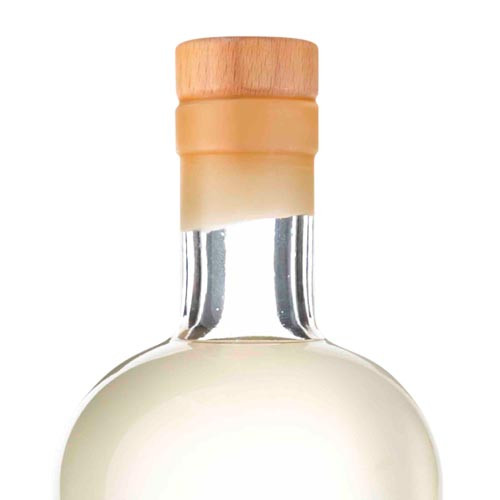
Caledonia Spirits, a craft distillery based in Vermont, USA, produces Barr Hill Gin. Unlike traditional London-dry gins that rely on multiple botanicals for complexity, Barr Hill distinguishes itself by blending juniper (the classic gin botanical) with raw Vermont honey — a signature that defines its character. (Barr Hill)
Launched in 2011 by a beekeeper Todd Hardie and distiller Ryan Christiansen, the brand stems from a desire to link cocktail culture with agriculture and to support bees, beekeepers, and local farms. (Vermont Country Magazine)
The result: Barr Hill Gin is an example of what some call a “New American gin” or honey-forward gin. It emphasizes terroir, raw ingredients, and a gentler, more floral-sweet profile than many conventional gins. (Liquor.com)
In the following sections, I’ll break down its origins & production, tasting profile, how to use it, common questions (Google “People also ask”), strengths & limitations, and finally — whether I think it’s worth trying.
Origins & Production — From Bees to Bottle
Understanding Barr Hill Gin fully requires acknowledging its roots: honey, bees, and small-batch craftsmanship rooted in Vermont agriculture.
🍯 Beekeeping heritage & philosophy
- The founders deliberately came from backgrounds connected to beekeeping and homebrewing. Todd Hardie began as a beekeeper; Ryan Christiansen previously ran a home-brew supply store. Their shared vision: craft a spirit that honors pollinators, bees, and the natural environment. (Liquor.com)
- For them, honey isn’t just a sweetener — it’s an expression of local terroir. The raw honey used comes from apiaries within the region of Vermont. (Boston.com)
- The “raw” aspect matters: unfiltered, unpasteurized honey retains floral, pollen-derived, wild-flower complexity — meaning the flavor of Barr Hill Gin subtly changes depending on the season and the blossoms available to the bees. (bostonmagazine.com)
This connection to land, bees, and nature is part of what the distillery calls “Landcrafted” — a term signaling commitment to authentic, agricultural-rooted spirits rather than industrial mass-production. (Barr Hill)
🧪 Production process & recipe simplicity
- The base spirit begins as a neutral corn (or grain) spirit. In a custom-built botanical extraction still, juniper berries are used during distillation to impart the core gin botanical character. (Distiller – The Liquor Expert)
- Crucially, raw honey is added after distillation, just before bottling. This preserves the floral, aromatic quality of the honey — rather than destroying it with heat or over-processing. (bostonmagazine.com)
- Because of this method, Barr Hill Gin contains only juniper and raw honey (on top of the neutral base spirit) — minimal botanicals, minimal glamour, maximal identity. (Boston.com)
- The gin is bottled at 45% ABV (90 proof), aligning with many premium spirits. (Distiller – The Liquor Expert)
This approach — simple recipe, local ingredients — allows Barr Hill Gin to deliver a flavor rooted in place and seasons, rather than a fixed, globalized botanical blend.
Tasting Profile — What Barr Hill Gin Brings to the Glass
Because of its unique recipe and production, Barr Hill Gin delivers a tasting experience different from many gins. It leans on honey, floral notes, and juniper, often described as more rounded, soft, and “New-World” than classic dry gins.
👃 Aroma / Nose
When you bring the glass to your nose:
- Expect fresh juniper — piney, herbal, crisp. (Elma Wine & Liquor)
- But quickly alongside juniper you’ll detect soft floral or wild-flower honey notes — often described as honeysuckle, jasmine, orange blossom, or general meadow/honey-comb character. (Liquor.com)
- Depending on season and honey batch, subtle variations may appear: citrus zest, light herbal or spicy undertones, soft herbaceousness or floral nuance, which reflect the diverse flowers the bees visited. (bostonmagazine.com)
🥃 Palate / Taste & Mouthfeel
On the palate, Barr Hill Gin tends to be:
- Smooth and slightly viscous, often described as more velvety or creamy than a sharp, dry gin — likely due to the honey incorporation. (Bevvy)
- Balanced: juniper remains present, but its piney/herbal bite is softened by the warmth and sweetness of honey. The honey does not dominate harshly; instead, it gives depth, roundness, and a floral-sweet middle tone. (Elma Wine & Liquor)
- Subtle complexity: some tasters detect gentle spice, light herbal or citrus undertones, perhaps a mild pepper or resinous hint on the finish — giving more layers than a straightforward sweet gin. (Distiller – The Liquor Expert)
🔥 Finish
- The finish tends to be medium to long, smooth, and slightly warming. Juniper and honey linger — piney, floral, with a soft sweet-herbal aftertaste. (Liquor.com)
- The honey-softened finish makes Barr Hill Gin more gentle than many traditional dry gins — which can be stern, botanical, or sharp. (Bevvy)
🍸 Overall Impression
Barr Hill Gin is less about botanical fireworks and more about subtlety, terroir, and balance. It trades heavy botanical complexity for a softer, honey-embraced gin — floral, approachable, and versatile. For some, it’s a refreshing alternative to classic gin; for others, a departure from tradition.
How to Drink Barr Hill Gin — Best Serving, Cocktails & Uses
Because of its unique profile, Barr Hill Gin excels in certain applications — perhaps different from what many expect from classic London-dry gin.
✅ Great Ways to Enjoy Barr Hill Gin
- Neat or on ice — for sipping. Its smoothness and floral-honey character make it enjoyable even without mixers.
- Simple cocktails — especially those that benefit from a touch of sweetness or floral nuance. For example:
- Bee’s Knees (gin + lemon juice + honey syrup): Barr Hill’s own honey and floral notes make this a natural fit. Critics and reviewers often recommend this combination. (Liquor.com)
- Gin & Tonic with a light, floral / elderflower or floral tonic — the gin’s honey-floral notes can shine through without being masked. Some fans pair it with tonic water and a twist of citrus or herbs. (Ginventory)
- Citrus- or herb-based cocktails — cocktails that benefit from some sweetness or floral depth (lemon, orange, citrus, light herbs) can pair well with Barr Hill.
- Cocktail experimentation — Because of its balanced juniper + honey profile, Barr Hill lends itself to creative mixing: bartenders and home-mixologists often find it a versatile base — though with the caveat that it behaves differently from more botanical-heavy gins. (Liquor.com)
⚠️ What to Consider / Where It May Not Fit
- Strong, dry gin cocktails (e.g. classic Gin Martini, Negroni, strong botanical-heavy drinks) — Barr Hill’s softness and sweetness might overshadow or alter the intended flavor profile. Many reviewers caution that this gin shouldn’t be a straight substitute for a London-dry gin in those classic recipes. (Liquor.com)
- If you expect very dry or herbal gin character — the honey and floral sweetness make this gin gentler; if you prefer a sharp, piney, purely botanical gin, Barr Hill may feel “soft” or “less gin-like.” (Bevvy)
People Also Ask — Common Questions About Barr Hill Gin (And Answers)
Here’s a curated list of typical questions people Google about Barr Hill Gin — with answers based on publicly available information and expert commentary.
Q: What is Barr Hill Gin made from?
A: Barr Hill Gin is crafted from a neutral grain spirit (corn-based), distilled with juniper berries. After distillation, raw Vermont honey is added — the same raw honey sourced locally by the distillery’s beekeeping founders. The honey is not a mere flavoring syrup but a key ingredient that contributes floral and subtle complex notes. (Distiller – The Liquor Expert)
Q: What makes Barr Hill Gin different from traditional London-dry gin?
A: Traditional London-dry gins typically use a mix of many botanicals (citrus peel, coriander, angelica root, herbs, etc.) and aim for a dry, often crisp, botanical-heavy character. Barr Hill Gin, by contrast, uses a minimalist botanical approach: juniper and raw honey. The honey lends floral sweetness, soft mouthfeel, and a gentler, sometimes slightly sweet profile — often making it closer in style to Old Tom gin or “New-American” gin rather than a classic dry gin. (andoverclassicwines.com)
Q: What does Barr Hill Gin taste like?
A: On the nose — juniper with floral, honeyed wildflower notes. On the palate — smooth, slightly sweet, with juniper backbone softened by honey; flavors can include pine, soft herbs, mild spice or pepper, and a floral-honey sweetness. The finish tends to be clean, warm, and lingering — juniper plus honey-flower undertones. (Liquor.com)
Q: What is the ABV (alcohol content) of Barr Hill Gin?
A: Barr Hill Gin is bottled at 45% ABV (90 proof). (Distiller – The Liquor Expert)
Q: What cocktails or drinks suit Barr Hill Gin best?
A: Barr Hill Gin shines in cocktails that benefit from a soft honey-floral sweetness or gentle botanical profile. Especially recommended are honey-forward cocktails (e.g., Bee’s Knees), light G&Ts with floral/elderflower tonic or citrus, cocktails with citrus or light herbal mixers, or even sipping neat / on ice. For traditional, dry gin cocktails (like a classic martini), it might not deliver the “classic gin” style. (Liquor.com)
Q: Is Barr Hill Gin sustainable or craft / small batch?
A: Yes — Barr Hill Gin is positioned as an artisan, small-batch gin closely tied to Vermont agriculture, beekeeping, and local sourcing. The distillery emphasizes its roots: using local raw honey from nearby apiaries, supporting pollinators, and spotlighting sustainable, land-based distillation. (Vermont Country Magazine)
Q: Can Barr Hill Gin vary in taste depending on when the honey is harvested?
A: Yes. Because the honey comes from wildflower nectar gathered by local bees — which varies by season, flora, and environment — the floral/herbal/honey notes in the gin can shift. A honey harvested in spring may yield different subtle flavors than honey from summer or autumn. (bostonmagazine.com)
Q: Is Barr Hill Gin good for beginners or people who don’t like harsh spirits?
A: Very likely yes. Because of its smoother, honey-softened profile and less aggressive botanical bite, Barr Hill Gin can be more approachable than many traditional gins. It works well for those who find standard gins too harsh or bitter, or who prefer a gentler, more floral/sweet spirit. (Bevvy)
Strengths & Appeal — Why Barr Hill Gin Stands Out
Based on its production, flavor, and philosophy, Barr Hill Gin offers several attractive qualities:
✅ Unique Identity & Authenticity
- Its honey + juniper recipe is rare among gins. The use of raw honey — not just botanical extracts or syrups — gives it authenticity, a sense of terroir, and connection to nature and bees.
- The brand emphasizes craftsmanship, sustainability, and support for pollinators — appealing to drinkers who care about provenance, ethics, and natural ingredients. (Vermont Country Magazine)
✅ Versatility for Different Drinking Styles
- Works neat, on ice, or in cocktails. Its smoother profile makes it easier to sip than harsher gins.
- Especially good for cocktails that benefit from sweetness or floral notes — allowing mixologists and home bartenders to experiment with flavors and soften drinks that might otherwise be sharp or dry.
✅ Balanced Flavor Profile — Juniper + Honey
- Maintains a juniper backbone, so it still feels like gin — not a flavored vodka or liqueur.
- The honey adds depth, mouthfeel, and floral/honey-comb nuance — giving more complexity and warmth than many “bare-bones” gins.
✅ Great for Those Who Prefer Less Bitterness / Botanical Weight
- If you find traditional gins too botanical-heavy, piney or herbal, Barr Hill offers a more mellow, accessible alternative.
- It lowers the barrier for newcomers to gin — good for casual drinkers, social occasions, or people who want smoothness and flavor without harshness.
✅ Craft & Story — The “Why” Behind the Bottle
- Barr Hill is not just a commercial product — it’s the result of a genuine desire to connect distilling with agriculture, beekeeping, and local ecology. That story adds meaning and often resonates with conscious consumers.
- The seasonality and variation in honey make each bottle subtly unique — adding a layer of authenticity and individuality.
Potential Drawbacks & What to Consider — Why It Might Not Be for Everyone
While Barr Hill Gin has many strengths, its particular style and approach mean it doesn’t suit every taste or use.
⚠️ Not a Traditional London-Dry Gin — Less Botanical Complexity
- Because the botanical profile is minimal (juniper + honey), it lacks the depth, variety, and herbal/spice complexity many gin lovers expect. Classic gin botanicals like citrus peel, coriander, angelica, or root spices are mostly absent.
- In very botanical-dependent cocktails (e.g., certain martinis, classic gin-heavy recipes), it may feel “light,” “sweet,” or “unbalanced.” (Liquor.com)
⚠️ Sweetness / Honey Character — Not Everyone’s Preference
- The honey and floral sweetness might be off-putting to gin drinkers who prefer dryness, sharpness, or herbal bitterness. As one review suggests, to some palates, it may feel “too sweet” or closer to a “dessert gin.” (Bevvy)
- That sweetness can limit its use in certain classic cocktails or mixing contexts where neutrality or dryness is desired.
⚠️ Seasonal Variation — Inconsistency Between Batches
- Because the honey’s floral profile depends on what plants the bees visited, the flavor profile can shift subtly by batch or season. That means consistency is harder to guarantee compared to mass-produced gins. Some drinkers might find this appealing (uniqueness), others frustrating (lack of predictability).
⚠️ Not Ideal for All Cocktails
- Classic, spirit-forward gin cocktails (e.g. dry martini, Negroni, heavy botanical drinks) may not work as intended. The honey and floral overtones may disrupt the intended balance.
- Mixologists looking for a “blank slate” gin may find Barr Hill too characterful — it adds its own flavor signature rather than staying neutral.
Broader Context: Barr Hill Gin’s Place in the Gin & Craft Spirit Landscape
Barr Hill Gin emerges at the intersection of several broader trends reshaping how people think about spirits — especially gin.
🌿 From Industrial to Artisan — The Rise of “Landcrafted” Spirits
Where many mass-market gins emphasize consistency, neutrality, and standardization, Barr Hill represents the craft-spirits movement: small-batch production, local sourcing, environmental consciousness, and terroir awareness. By using raw honey, local bees, and simple yet meaningful recipes, they emphasize connection to land — echoing similar movements in craft beer, natural wine, and artisanal spirits. (Vermont Country Magazine)
🔄 Expanding What Gin Can Be — Beyond London-Dry
Gin has long been associated with botanical-heavy, dry London-style profiles. But as tastes evolve and mixology expands, there’s a growing appetite for alternative gin expressions: sweeter, floral, honeyed, softer, more experimental. Barr Hill is part of that wave — offering a “different gin” for a different audience: those who prefer subtlety, floral notes, sweetness, and smoothness over sharp dryness. (Liquor.com)
🍸 Adaptability for Modern Cocktail Culture & Casual Drinkers
In a world where craft cocktails, home bartending, and flavored/approachable spirits are increasingly popular, Barr Hill’s versatility makes it well-suited for a broad range of drinkers: from seasoned gin aficionados to casual social drinkers, from classic cocktails to experimental mixes. Its softer profile can introduce more people to gin who otherwise might find traditional gin too harsh.
Conclusion — Is Barr Hill Gin Worth It?
Yes — for many drinkers, Barr Hill Gin is worth it.
But — and this is key — it will appeal most to those who are open to a different kind of gin: one rooted in nature, refined by honey, floral and smooth rather than botanical-heavy and sharp.
🎯 Recommended For:
- Those who enjoy smooth, floral, mildly sweet spirits rather than dry, herbal, and sharp ones.
- People who appreciate craft, terroir, and story — origin, bees, sustainability, local agriculture.
- Drinkers who want a versatile gin that works neat, on ice, in light cocktails, or in drinks that benefit from a soft sweet/fresh character.
- Beginners to gin — or those wary of traditional gins’ bitterness — thanks to its approachable flavor profile.
- Mixologists and home bartenders seeking unique flavor signature to differentiate cocktails — perhaps a “honey-twist” gin & tonic, floral gin smash, or seasonal, flower-infused drinks.
⚠️ Might Not Suit:
- Purists who expect a classic London-dry gin — heavy botanicals, dryness, herbal bitterness, neutral mixing base.
- People who dislike sweetness or floral notes in spirits.
- Cocktails that require a neutral gin base — the honey signature will always come through and influence flavor balance.
- Those seeking consistency between bottles — due to seasonal honey variation, flavor profile may shift subtly between batches.
🎯 My Verdict
Barr Hill Gin succeeds in carving out a distinct niche: a “gin of the land” — where bees, wildflowers, and Vermont terroir meet juniper and distilling craft. It is not trying to replicate London-dry gin or define itself within traditional gin orthodoxy. Instead, it offers a different experience — one that is softer, more organic, floral, and layered with nature’s subtlety.
If you value flavor, story, and craftsmanship over neutrality and convention — I believe Barr Hill Gin is absolutely worth trying. It’s a testament to how distilling can evolve: marrying tradition (gin + juniper) with innovation (honey, terroir, sustainability).
If you like — I can build 5–8 cocktail recipes tailored to Barr Hill Gin’s flavor profile — from floral & light, to honey-forward & seasonal.
Do you want me to build that cocktail list for you now?

DeadHead Rum
Appleton Estate 21 Year Old Rum
Brugal Extra Viejo Rum 


Reviews
There are no reviews yet.